
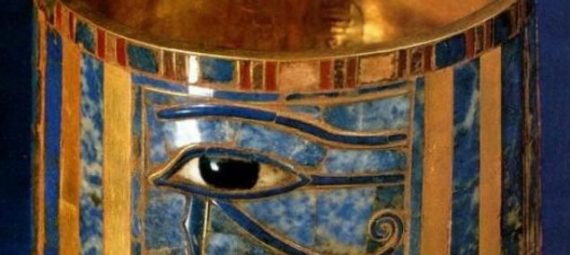
Ancient Egyptian art, a captivating blend of artistry, symbolism, and religious devotion, stands as a testament to the ingenuity and spiritual beliefs of one of history’s most fascinating civilizations. A journey through Ancient Egyptian art, whether through the hallowed halls of museums or amidst the majestic ruins of monuments, is a voyage through time, revealing the rich cultural tapestry of a people deeply connected to their gods and the mysteries of the afterlife.
Painting and Sculpture: A Blend of Realism and Symbolism
Ancient Egyptian art seamlessly blended realism with symbolism. Paintings, often found adorning tomb walls and sarcophagi, depict scenes of daily life, religious rituals, and the journey to the afterlife. The use of vibrant colors, stylized figures, and hieroglyphic inscriptions creates a unique aesthetic, a captivating blend of narrative and symbolic representation. Sculpture, ranging from colossal statues of pharaohs to smaller figurines of deities and everyday objects, similarly combined realism with symbolic meaning. The pose, the materials, and the details of these sculptures were carefully chosen to convey specific messages and reflect the beliefs and values of the Ancient Egyptians.
Hieroglyphs: A Visual Language of Symbols
Hieroglyphs, the writing system of Ancient Egypt, were not merely a means of communication; they were an integral part of their art. These symbolic representations, combining pictorial elements with phonetic signs, adorned tomb walls, temples, and other artifacts, adding another layer of meaning and interpretation to the artistic expressions. Deciphering these hieroglyphs unlocks a deeper understanding of Ancient Egyptian culture, revealing their history, their beliefs, and their daily lives.
Museums as Guardians of History: Preserving and Interpreting the Past
Museums around the world serve as guardians of Ancient Egyptian art, housing remarkable collections of artifacts that offer a glimpse into the past. The Egyptian Museum in Cairo, housing an unparalleled collection of treasures from Tutankhamun’s tomb, stands as a testament to the richness and diversity of Ancient Egyptian art. Museums in London, Paris, New York, and other major cities also possess significant collections, providing opportunities for audiences to engage with this captivating art. These institutions play a crucial role in preserving, researching, and interpreting Ancient Egyptian art, making it accessible to a global audience.
A Continuing Journey
A journey through Ancient Egyptian art is a continuous process of discovery and interpretation. Each new archaeological find, each newly deciphered text, and each carefully curated museum exhibit adds to our understanding of this fascinating culture. Engaging with this art is not merely an aesthetic experience; it’s a journey into the past, a connection with a civilization that left an indelible mark on human history.