
 Ecology
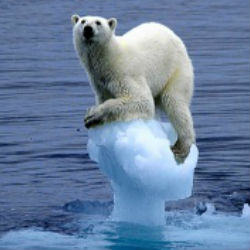
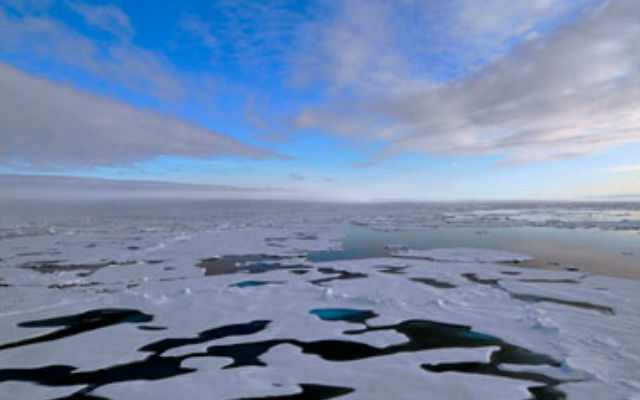
Everything flows, everything changes… Arctic ice is also flowing, or rather, melting, and scientists predict that next month it will fall to its new fixed low, breaking the previous record, recorded in 2007.
Such a record is often caused by abnormal weather conditions, but in this case everything is aggravated by the global warming situation on Earth.
Arctic ice always recedes in summer, reaching a minimum in September, but this year is one of the most intense glacier melts. If this trend continues, the Arctic may lose its ice altogether by the summer of 2030.
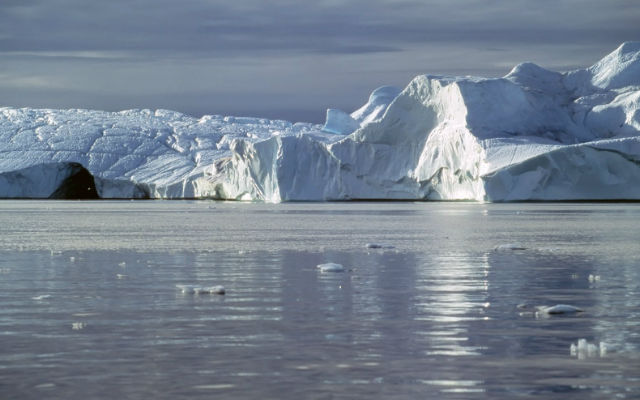
The fact that Arctic ice broke its own record in 2007 in terms of melting intensity is evidenced by data obtained by American specialists from the National Information Center for the study of snow and ice (National Snow and Ice Data Center) in Boulder, Colorado, confirmed by Danish scientists from the Center for Ocean and Ice Studies at the Meteorological Institute in Copenhagen.
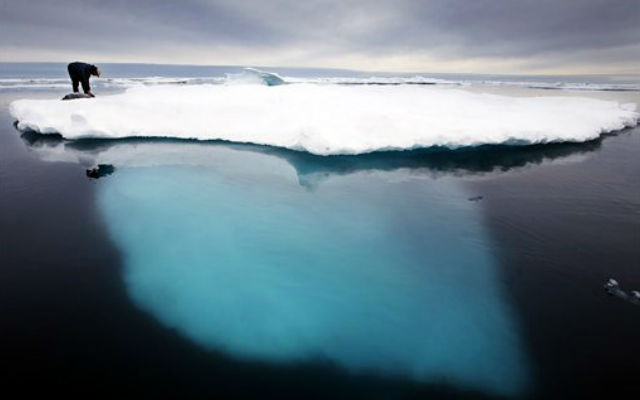
Low cloud factor multiplied by global warming
“I'm not at all surprised that we're going to record low this year,” says Seymour Laxon of University College London. The scientist mentioned unpublished data on observing the behavior of ice from satellites.
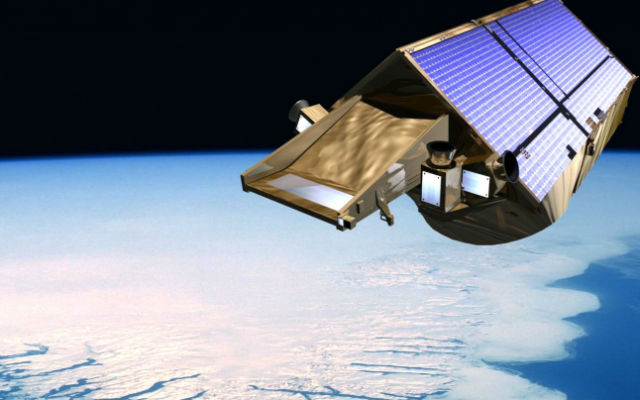
According to an analysis of the level of annual fluctuations between the volume of winter and summer Arctic ice, the Arctic has been losing 900 cubic kilometers of ice annually since 2004. Moreover, the minimum of 2007 was achieved, to some extent, due to the abnormally low density of clouds, through which the sun easily reached the icy surface of the Arctic.
Further research may make it possible to identify the anomalous conditions that are typical for the current year, but scientists still cite global climate change as the main reason planet.
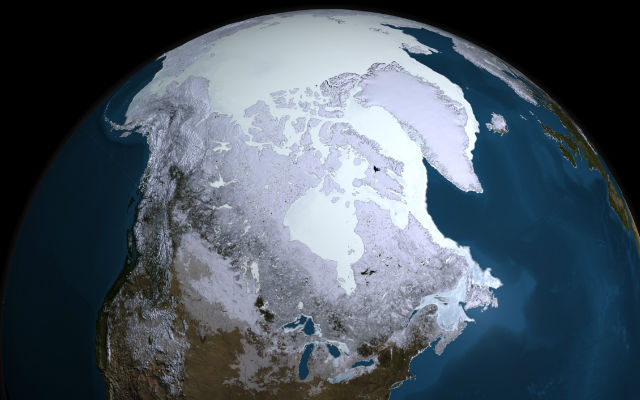
A recent study has led scientists to conclude that at least 70 percent of the ice that disappeared between 1979 and 2010 has melted due to greenhouse gas emissions . In conclusion, it remains to add that even the improved climate model available to scientists was unable to predict such intensive ice melting this year.