
China’s meteoric rise as a global economic power is mirrored in the explosive growth of its megacities. Shanghai, Beijing, and Hong Kong – three of the most dynamic urban centers in the world – offer fascinating case studies in urban development, each possessing a unique character shaped by history, culture, and economic forces. While all three are vibrant, modern metropolises, a closer look reveals significant differences in their character, pace of life, and overall atmosphere.
Beijing: The Imperial Heart
Beijing, the nation’s capital, exudes an air of history and authority. Its imposing architecture, including the Forbidden City and the Temple of Heaven, stands as a testament to centuries of imperial rule. While undeniably modern, Beijing retains a strong sense of tradition, evident in its bustling hutongs (traditional alleyways), its vibrant tea houses, and the pervasive sense of history that permeates the city. The pace of life, while fast-paced in its own right, feels more deliberate compared to the frenetic energy of Shanghai or Hong Kong. Beijing’s focus is on government, politics, and a blend of modern development alongside carefully preserved historical sites.
Shanghai: The Economic Engine
Shanghai, China’s financial and commercial heart, is a city defined by its relentless energy and dynamism. A city that has repeatedly reinvented itself, Shanghai’s skyline is a breathtaking display of modern architecture, reflecting its position as a global economic powerhouse. The pace of life is undeniably frenetic, a constant hum of activity that permeates every corner of the city. While history is present, Shanghai is largely defined by its forward-looking ambition, its constant evolution, and its embrace of cutting-edge technology and innovation. It’s a city that never sleeps, constantly striving for progress and modernization.
Hong Kong: East Meets West
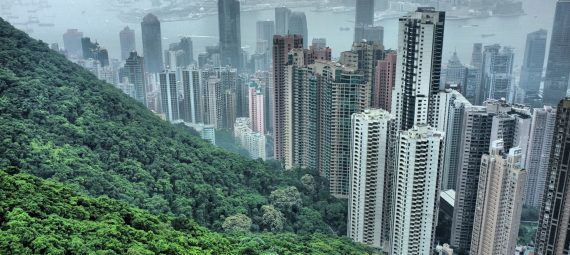
Hong Kong, a Special Administrative Region of China, maintains a unique identity, a vibrant blend of East and West. Its history as a British colony has left an indelible mark, evident in its legal system, language, and architectural styles. Hong Kong’s skyline is a dramatic juxtaposition of skyscrapers and traditional buildings, a reflection of its multifaceted character. The pace of life is intense, fueled by its position as a major global financial center. Yet, unlike Shanghai, Hong Kong boasts a distinctive cultural identity, a blend of Chinese and Western influences, which permeates its food, art, and daily life. Its independence and unique legal framework create a distinct atmosphere compared to the mainland cities.
Contrasts and Comparisons
While all three cities offer world-class infrastructure, sophisticated transportation systems, and a wealth of cultural attractions, their distinct characters set them apart. Beijing is steeped in history and tradition; Shanghai pulsates with relentless economic energy; and Hong Kong offers a unique blend of East and West. Choosing between them depends on individual preferences. Those seeking a blend of history and modernity might gravitate towards Beijing; those drawn to frenetic energy and innovation might choose Shanghai; while those seeking a unique cultural fusion might find Hong Kong the most alluring. Each city offers a unique and unforgettable experience, reflecting the diverse tapestry of modern China.