 incredible facts are celebrated
Christmas Eve begins on January 6 on Christmas Eve and lasts until Epiphany on January 19.
In Russia, they have always been the main, most fun winter holiday dedicated to the pagan god Svyatovit.
Two weeks of Christmas are about relaxation and fun.
See also: Christmas divination in 2019: with mirrors for the betrothed, for the future. Christmas divination
Christmas in Russia history and traditions
During the twelve days of the holiday, no one went to work in the evenings for fear of trouble. This ban applied to absolutely everyone. It was believed that God would punish anyone who continued to work on Christmas Eve.
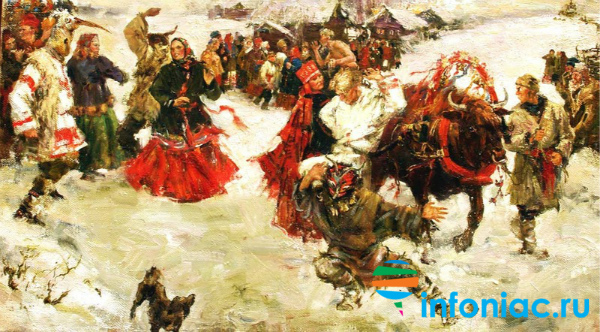
If someone dared to sew clothes or weave bast shoes, their cattle could become crooked or even blind because of God's anger. And those who ignored the holidays and continued to make household items threatened to leave the cattle without offspring. The entire village community strongly disapproved of those who violated this ban.
The next seven Christmas days were considered a time of demons – a revere for all evil spirits. People believed that at this point, the souls of those who died return, evil spirits began to have fun, and witches arrange a coven. According to beliefs, God opened the gates of Hell so that various evil spirits – demons and devils – could celebrate the Great Christmas.
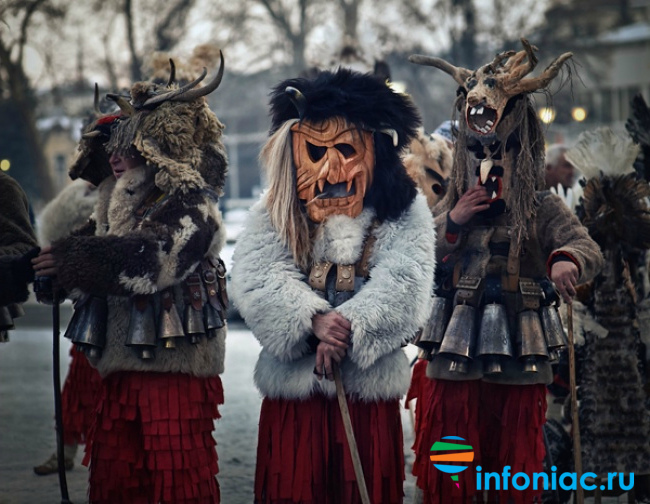
The main distinguishing sign of Christmas has always been spells for the whole year and guessing about the future to learn about the upcoming harvest. The purpose of the rituals was also to communicate with spirits, since it was sincerely believed that well-being in the world of the dead meant happiness in the world of the living for the people. According to legends, evil spirits penetrated into the world of the living. To protect themselves from it, people drew crosses on windows and doors.
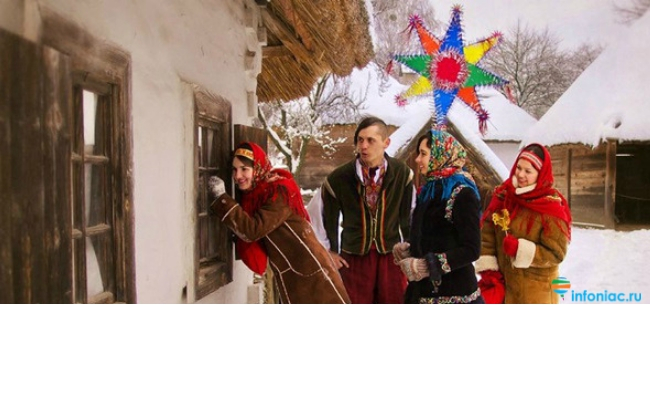
Traditionally, during the very first days of the holiday, it was
necessary to visit relatives, friends and friends. It was necessary to give gifts to everyone, as this ritual is a kind of memory of the offerings that were once offered by the Magi.
On Christmas Eve, it was necessary to
remember the poor, the sick, the poor and any people in need. It was necessary to visit various orphanages, orphanages and nursing homes, as well as hospitals and prisons.
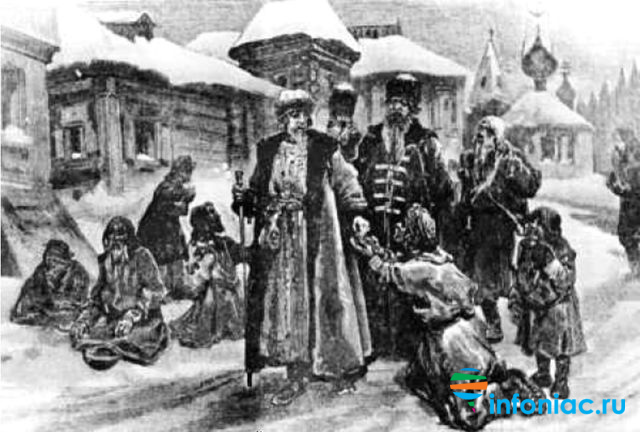
In the past, on these holidays, kings disguised as ordinary people visited prisons in order to give alms to convicts.
Believers were required to attend services to glorify the Lord who sent Jesus Christ to Earth. During the holidays, every self-respecting Christian was obliged to serve at least one service in the church.
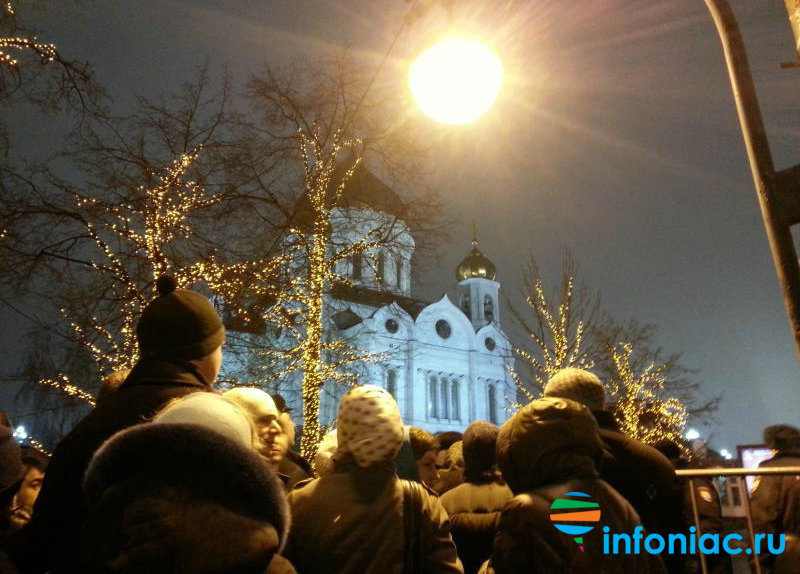
Christmas in Russia, how are the celebrations going
Orthodox Christians conduct one of the main rituals of the festive period – Christmas carols, which includes singing blessed songs – carols glorifying the Savior and Christmas.
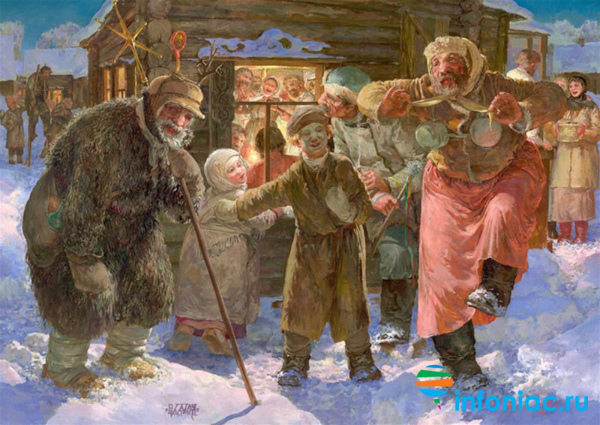
The purpose of caroling was to wish everyone prosperity, a good harvest and maximum prosperity.
Carolers in small groups, usually children, went from house to house, dressed or mummeled as different animals, kikimor or even demons.
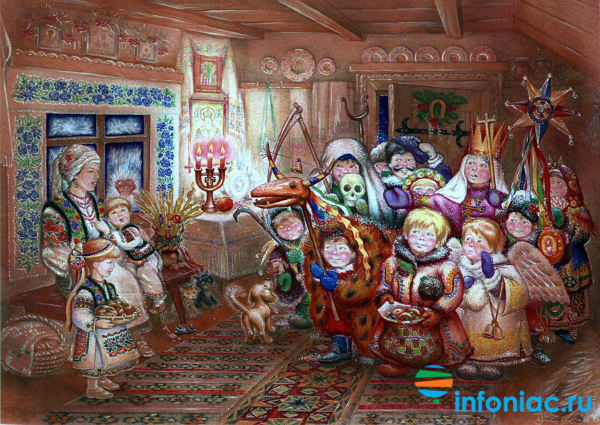
The mummers sang greeting carols, danced, amused the hosts, and at the end demanded treats, after which she danced again, now as a token of gratitude for the gifts received.
And every good housewife considered it her direct obligation to give the mummers pastries, sweets and other sweets. It was generally believed that next year's prosperity directly depended on food and gifts from carolers.
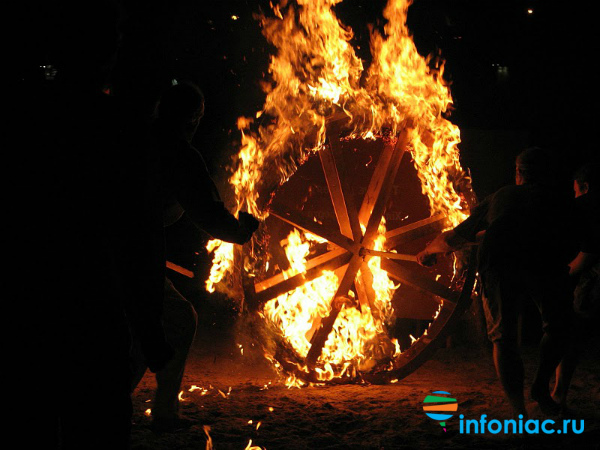
On the night of Kolyada, fires were lit, which burned for 12 days. From a high mountain, it was customary to throw down a burning wheel, which symbolized the passing year with all its troubles and hardships.
In the houses, mummers solved riddles, sang songs and danced, whose main task was to lure good luck and avoid crop failure. Many songs were performed to acts that depicted agricultural works.
On holidays, girls usually wondered about their future husband and their future fate. To do this, they threw handfuls of snow, and by its sound they determined the character of their betrothed. They could determine the age of the groom, and also determined his name.
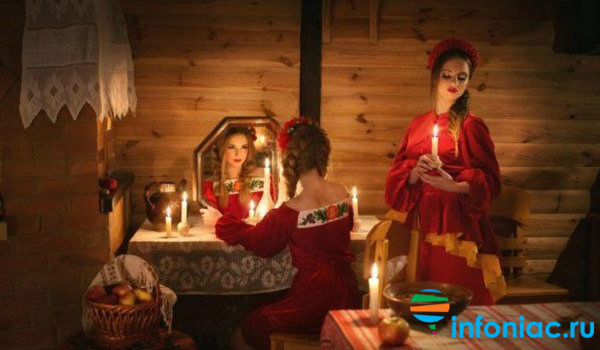
Christmas divination took place for two weeks, but the most significant divination was considered to be those that occurred on the night before Christmas and on the eve of Epiphany.
A special place was given to the signs that tried to determine the income on the farm and guess the weather throughout the coming year.
Christmas Treats
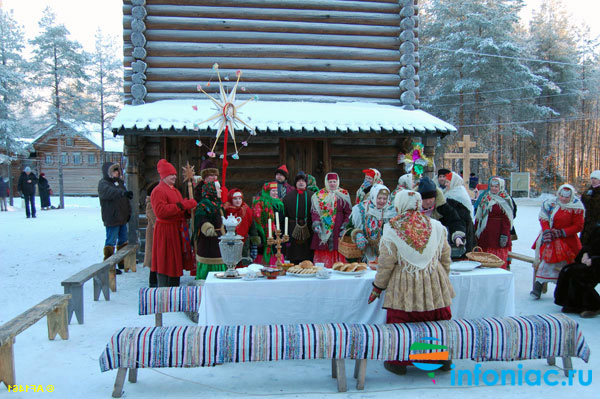
Among Orthodox Christians, Christmas treats were
considered more a symbol of a holiday than a satiety. Pies and various gingerbread cookies, a traditional kutya, which traditionally consisted of grain and honey, were served at the tables. In richer homes, people could afford to cook kutia with nuts and even raisins.
Uzvar, a popular drink that included honey and dried fruits, was also served at the tables.
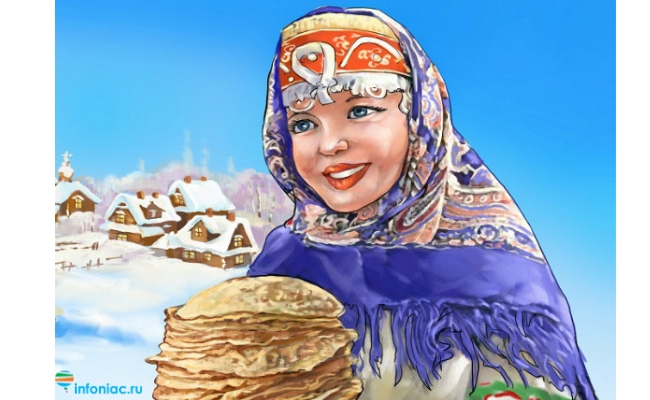
Traditionally, pancakes were
baked on Christmas holidays, which were a symbol of warmth, light and Sun. They prepared various cookies from unleavened dough, which was called carols.
Roasted pig, which people especially preferred, was considered a symbol of prosperity and a successful future harvest. The pig was served on the tables directly on Christmas Day. Other special meat delicacies were also eaten during Christmas holidays: geese, chickens, game and lamb.
After the festivities came to an end, on January 19, everyone came to the frozen reservoirs and plunged into the consecrated cross-shaped ice-hole, decorated with multi-colored ribbons and various shapes from wood, in order to wash away and cleanse themselves of all their sins, from which people were freed by the great blessing of water at the Baptism of the Lord – a symbol of purification and the return of order.