
 Science
Russian scientists, together with German scientists, may have found a new way to treat infectious diseases. To date, antibiotics have been considered one of the most effective drugs. The new solution will be not another drug, but an element of physics – cold plasma.
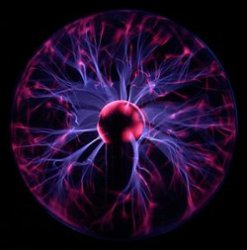
Plasma is an ionized gas that is sometimes referred to as the fourth state of matter. In nature, gas temperatures sometimes reach thousands of degrees Celsius and hot plasma is regularly used to sterilize surgical equipment.
The temperature of cold plasma is closer to room temperature. And only recently, scientists have been able to bring this figure to 35-40 degrees Celsius.
A group of scientists led by Svetlana Yermolaeva from the Research Institute of Epidemiology and Microbiology named after A. During research, N. Gamaleya in Moscow studied whether cold plasma would destroy bacteria that carry infections. Thus, they conducted experiments with Pseudomonas aeruginosa and Staphylococcus aureus, two types of microorganisms that are resistant to antibiotics and have a protective layer, the so-called biofilm.
The plasmatron, a plasma generator, killed 99 percent of the bacteria grown in a Petri dish within five minutes, and killed 90 percent of the bacteria in rat wounds within ten minutes. Because the plasmatron was directed to a specific small area of infection, the tissues around them remained intact.
Svetlana Yermolaeva, commenting on the results of the study, noted that cold plasma can kill bacteria, damaging only microbial DNA cells and surface structures without harming tissues. Most importantly, she noted, we've shown that plasma can kill bacteria that grow in biofilms in wounds, although thicker biofilms are somewhat resistant.
Treatment with plasma therapy not only eliminates unpleasant side effects from conventional drugs, but also involves the destruction of all bacteria, including those resistant to antibiotics.
The researchers published their findings in the Journal of Medical Microbiology.