
 Health
Now that everyone knows the coronavirus exists, you might be wondering when you were last ill.
Especially if you experienced a cold or respiratory illness late last year or early this year.
Covid-19 symptoms can vary significantly.
Read also: The doctor showed a breathing exercise that strengthens the lungs
In addition, insufficient testing may mean that many people may have had the coronavirus without receiving such a diagnosis.
The material has an informational and reference function! Before using any products or services, you should consult a specialist!
Could you have had Covid-19 before?

© Robert Kneschke
Scientists believe that the virus appeared at the end of December 2019 in China. International tourism continued, with new cases appearing in various countries around the world.
Pandemics start slowly but intensify when society begins to spread. Epidemiological studies and genetic analysis of the virus suggest that Covid-19 began to circulate for several weeks to months, before they began to detect an increase in the number of cases.
Given the incubation period, it is quite possible that many people have been infected for a long time, and later we saw the most severe cases.
It is possible that the virus was already circulating, but it was often confused with other respiratory diseases.
Is it possible to have coronavirus and not notice it?
The main symptoms of Covid-19 are cough, shortness of breath, and fever.
You may also have gastrointestinal problems, such as nausea or diarrhea, headache, and sore throat.
At the onset of the disease, you may lose your sense of smell and taste.
It is easy to confuse these symptoms with a severe cold or flu, especially if you suffer from a mild form of Covid-19.
In severe cases, the symptoms of the novel coronavirus can be severe and even fatal.
However, it is likely to become infected with the virus without even noticing it.
According to various sources, between 25 and 78 percent of people who contracted Covid-19 were asymptomatic.
Antibody test
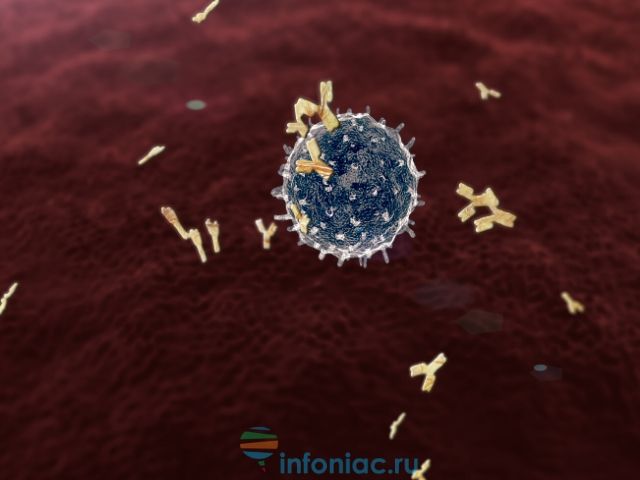
© Getty Images Pro
How do you know if you have had the new coronavirus? The answer lies in small particles that may be in your bloodstream — antibodies.
Antibodies are proteins in your blood that your body produces to neutralize viruses, bacteria, and other foreign substances.
For your body to be able to create antibodies to fight an infectious disease like Covid-19, it must be exposed to it.
A positive antibody test indicates whether you have been infected. If you are feeling well, you are likely to have recovered and developed immunity.
But the answer to the question of whether you have immunity and how long it persists to coronavirus will tell you whether you can get infected with it again.
In addition, the detection of antibodies could help specialists use serum from people who have been ill for treatment.
Is a person contagious if they have no symptoms?
A large percentage of people who are asymptomatic may be contagious for a while. At the moment, it is impossible to say exactly how long a person has been contagious, due to the lack of proper testing for asymptomatic infections.
According to available data, a day or two before symptoms appear, a person may be contagious. The virus accumulates and begins to show symptoms, and then, after they disappear, people can remain contagious for several days.
There is also evidence that viruses can be released several weeks after symptoms stop. It is difficult to say whether these are live viruses that can infect others, or whether the body is freeing itself from dead viruses.
Is it possible to get sick with the Covid-19 coronavirus again?
© Neirfy
At the moment, there is no evidence that a person can become infected with the new coronavirus again.
A person with a normal immune system that reacts to the virus and who is recovering can remain immune for a while, at least a year, if not for life.
There have been reports from China that people have tested positive for Covid-19 for the second time. Most scientists believe that the problem lies in inaccurate testing, rather than two separate cases of the disease.
Since it is currently impossible to determine whether you have had COVID-19 or have recovered, you must continue to act as if you are at risk or may be a carrier.
This means maintaining social distance and limiting contact with others.
This article reflects the current situation as of the date of publication and will be updated.