
 Incredible facts
It's not a shame to be sick, but some illnesses are closely linked to social stigma, so people are embarrassed to talk about them.
Colon cancer
Colorectal cancer, according to the American National Institute of Health, is curable at an early stage. But unfortunately, colon cancer often creeps up without showing any symptoms, and even if they do appear, patients are embarrassed to talk to their doctors about diarrhea or abnormal people bowel movements. The best way to diagnose colon cancer is colonoscopy.
American journalist Katie Couric decided to break the social stigma surrounding bowel cancer by reporting live in March 2000 about how she underwent a colonoscopy. During her story, she said that discussing their hidden diseases will help a person seek medical help faster. According to a 2003 study, after Kurik's speech, the number of people undergoing colonoscopy increased significantly. Before the TV show, the number of such procedures per month per doctor varied between 10-12, immediately after the broadcast, and for another 9 months, each doctor performed about 18 procedures monthly.
Erectile dysfunction
 The stigma of erectile dysfunction has been significantly reduced in recent years, however, it is still a challenge for many men to admit that they have sexual dysfunction. According to 2010 data, only half of men suffering from this disease receive appropriate treatment.
However, men with this problem should not feel alone in their agony. According to the same report, 10-20 million American men suffer from erectile dysfunction, and by the age of 70, two-thirds of all men have problems of this nature.
“Men's” problems
 Some women's disorders make women self-conscious, as they often challenge our cultural definitions of femininity. Polycystic ovaries, a hormonal disorder that can cause infertility and diabetes, are also often accompanied by excessive facial hair growth. This disease can cause women to shave, wax, or otherwise try to hide their hirsutism (male hair growth in women).
A disorder like hyperhidrosis, or excessive sweating, is a social stigma for both sexes. However, it still causes more inconvenience to a woman.
Psoriasis
 Psoriasis is a chronic immune disorder that makes the skin scaly and cracks in some areas. Parts of the body affected by psoriasis can be difficult to hide, and, for obvious reasons, a person feels extremely uncomfortable. The embarrassment is even greater when a person suffering from this disease sees others looking at him, believing he is contagious.
According to a 2008 study, more than half of psoriasis patients (58%) said they felt very constrained, and one-third of all respondents said that during particularly acute outbreaks diseases try to limit their communication with the outside world as much as possible.
Inflammations and bloating
 Any illness associated with an unusual increase in the volume of the human body necessarily implies social stigma. Irritable bowel syndrome (IBS) and inflammatory bowel disease (IBD) are no exception. The disorders are characterized by intestinal pain, cramps, constipation, or diarrhea.
In general, patients with IBS feel more “branded” than people with IBD. These data included a study published in March 2011 in the journal Quality of Life. Of the more than 200 patients diagnosed with IBS who participated in the study, 27 per cent said they were stigmatized, compared with only 8 per cent of those who IBD was diagnosed. This difference is possible because, without a clear reason, people with IBS believe that their illness is not being taken seriously.
Obesity
 The social stigma associated with this disease is global. According to a 2011 study, there are virtually no cultures in the world that do not link obesity to laziness and gluttony, despite the fact that many of these same cultures previously regarded weight as a sign of wealth and prosperity.
Those who are ashamed of being overweight often say they are concerned about their health. If so, what are the consequences of this shame? A 2011 psychological experiment found that shame and stigma accelerate weight loss among obese people.
Leprosy
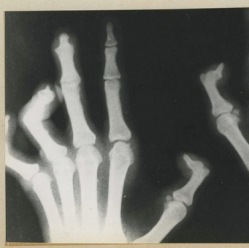 Leprosy, or Hansen's disease, has a huge impact on the development of public imagination. The disease is considered contagious, and it is believed that after some time a person begins to lose parts of the body. Neither statement is true nor the second one. More than 90 percent of people who come into contact with bacteria that cause leprosy will fight the disease asymptomatic without becoming contagious.
The disease is treated with antibiotics. At the same time, skin lesions caused by infection and awful looking fingers and toes don't just fall off, as many believe. This myth is probably due to the fact that many people experience nerve disorders that cause numbness, which can increase the risk of accidental damage and subsequent amputation.
Lung cancer
 Lung cancer is one of the diseases that people tend to blame for themselves (as is the case with obesity). The link between smoking and lung cancer tells others that the person is to blame. But in fact, thousands of people who have never smoked get lung cancer every year.
At the same time, according to experts, smokers who have earned lung cancer deserve treatment as well as those patients who have never smoked in their lives. According to the US National Institute of Health, lung cancer is the leading cause of death among both women and men in the United States, as it kills more than 158,000 people every year man.
HIV/AIDS
 Perhaps this is the disease that is most prejudiced. HIV/AIDS first appeared as a mysterious disease, mostly found in homosexuals in the early 1980s. Anti-gay activists accused men of non-standard sexual orientation of the anti-moral behavior through which they spread the disease.
According to a 1999 study, 52 percent of Americans still linked HIV/AIDS to homosexuals, although by then only a third of those infected with HIV were gay. In 1997, the same study found that 55 per cent of Americans believed that the majority of AIDS patients were responsible for acquiring the disease themselves, and 28 per cent went too far by saying, that most patients with this terrible disease deserve it.
A 2006 study found that 37 percent of Americans believe HIV can be transmitted through kissing, and 32 percent believe they can get an infection with one glass of sick.