
 Ecology
Polymers have played a revolutionary role in human life. The widest use of plastic, cellulose, polypropylene and many other polymers in the modern world only shows that without these materials, the world as we know it now would not exist. Whether it's good or bad is another question.
An undeniable evil is the pollution of nature with polymers. One of the main culprits is microplastics. This word refers to plastic waste with a diameter of five millimeters or less. Often invisible to the naked eye, these particles become the main enemy of human society and wildlife.
If you think that this problem does not concern you personally, you are deeply mistaken. Now it concerns everyone on this long-suffering planet. Almost every person on Earth comes into contact with microscopic plastic particles every day — when eating, drinking, and even just breathing.
Here are ten shocking facts about microplastics. You will find out exactly where plastic particles have penetrated and how severe the effects of pollution are. You will receive answers to all questions, except the main one — what to do about the catastrophic spread of this material?
Environmental problem
The management of the Interactive Ice Cream Museum was fined for microplastics
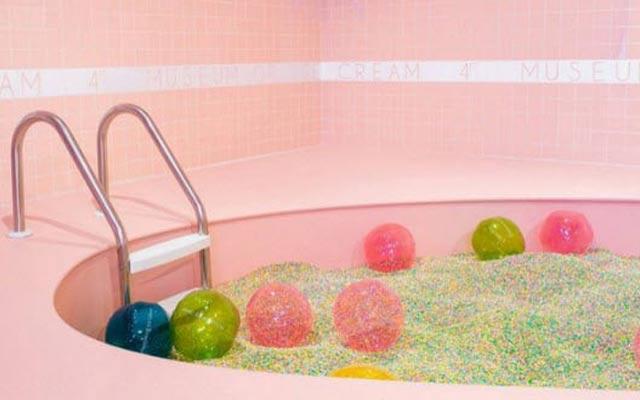
In 2018, the mobile Interactive Ice Cream Museum arrived in Miami Beach, Florida, USA. It would seem that the management of a modern entertainment exhibition was ready for anything, including an influx of visitors. However, it was not ready for close attention by law enforcement officers.
After all, the organizers simply offered visitors innocent entertainment, where they could learn more about various interesting aspects related to production and the story of the world's favorite delicacy.
One of the activities that the Museum offered its guests was to “swim” in a pool filled with fake decorative caramel powder, which is used to decorate pastry shops products and the same ice cream. The pool was popular.

Children and adults willingly dived into small pieces of “caramel”, enjoying a well-organized holiday. However, from the point of view of local authorities, the entertainment was not thought out to the smallest detail. In particular, the authorities were concerned about the fact that the water in neighboring sewers suddenly took on a joyful and colorful color.
As it turned out, when visitors to the Museum had enough fun in the pool, they left the exhibition, on the way, shaking off tiny particles of plastic from which the filler was made for swimming pool. They were then washed down the sewers by rain and washing machines, which greatly concerned the authorities, who feared contamination of the local water supply system.
Read also: Plastic garbage in the ocean has begun to disappear in a mysterious way
In the end, the management of the Interactive Ice Cream Museum was fined $1,000. The amount is small, but that's not all. The organizers were forced to hire a special team of people who “swept” and “blew” visitors leaving the pool. In addition, they installed special plastic traps in sewers and made pool filler from biodegradable material.
Plastic in edible salt
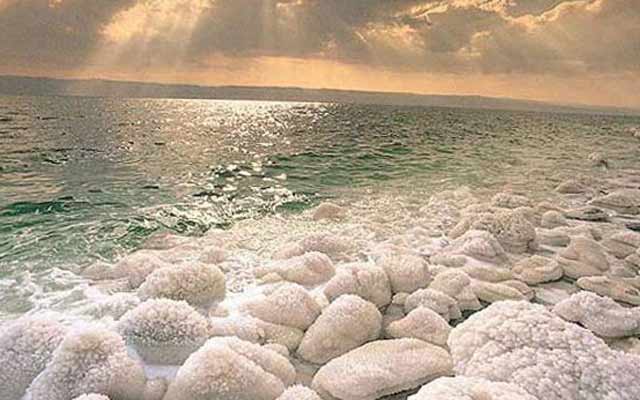
The previous story was just a preparation for other, much more shocking facts. Thus, microplastics can be found among salt granules and even in the granules themselves. Since sea salt is an industrial commodity sold all over the world, microplastic particles can be found in almost every salt shaker, anywhere in the world.
And when someone just wants to add a little salt to their food, they unknowingly sprinkle their breakfast, lunch or dinner with a large amount of polypropylene and polyethylene. It is these polymers that scientists most often find in sea salt.
In addition, polypropylene and polyethylene end up in a wide variety of food products, getting there due to the use of plastic grocery bags, plastic bottles, caps and various packages (including the same breakfast containers).
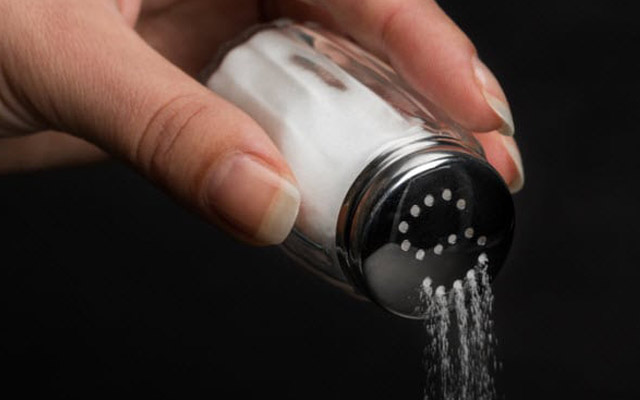
Analyzing the results of one of the studies conducted in 2018, scientists came to the conclusion that the pollution of commercially produced sea salt has become global. Alas, humanity has not yet fully understood the degree of danger to its health associated with this pollution. What will happen when he realizes?
Time will tell, but hardly anyone will be happy that he or she eats nanoparticles every day that take at least four hundred years to decompose. Moreover, other recent studies demonstrate the physical, chemical and microbial harm caused by accumulating microplastic particles.
Taking into account the amount of salt that many of us consume every day in a variety of forms, we can clearly conclude that microplastic particles are present in the body almost every person on our planet. The only difference is quantity.
The ban on glitter
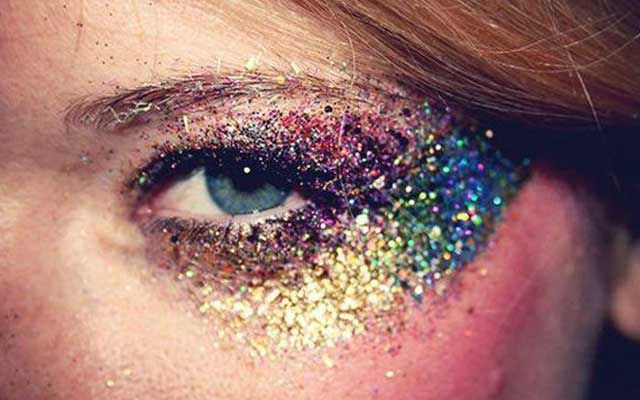
Glitter (that is, crumbly decorative sparkles) has become an integral part of various celebrations, parades, concerts and New Year's lights; in addition, glitter is widely used in cosmetics and printing. However, not everyone is delighted with the widespread use of these metallic shiny particles.
In particular, scientists are not happy with them, who are well aware that these particles, obtained by combining aluminum and plastic, cause great harm to the planet. In fact, they are not so happy that they have initiated a worldwide movement against the use of glitter, which, apparently, will soon lead to a ban on glitter production around the world.
You probably didn't even know that these metallized shiny particles had anything to do with microplastics. They look like colored foils, although they are made from a polymer material called polyethylene terephthalate. Perhaps some people know this polymer under the brand name Mylar.
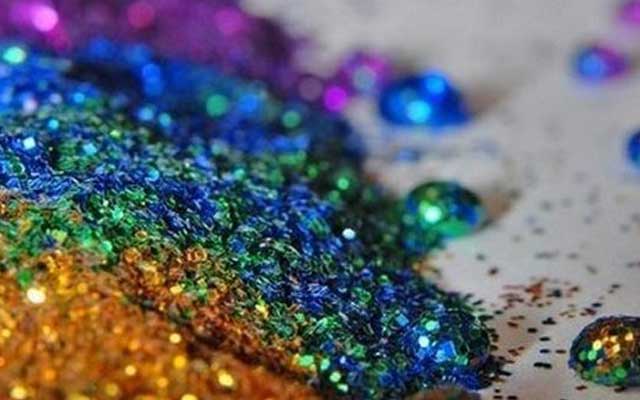
Glitter is also used to decorate some children's toys and in children's paints in powder form. In 2018, the management of 19 kindergartens in England stopped using this shiny powder, thus demonstrating their concern about environmental pollution.
In fact, children have the opportunity to use much more environmentally friendly products for their creativity (for example, ground colored grains). Perhaps the rejection of glitter will not go away quickly. Research shows that many people do not take the problem seriously, although environmentalists believe they should.
Environmental pollution
Microplastics inside creatures from deep sea
Microplastics on land are just the tip of the iceberg. When scientists discovered crustacean traps from deep ocean depths, they found something extremely surprising. As it turned out, the digestive system of these creatures contained particles of industrially produced artificial fibers.
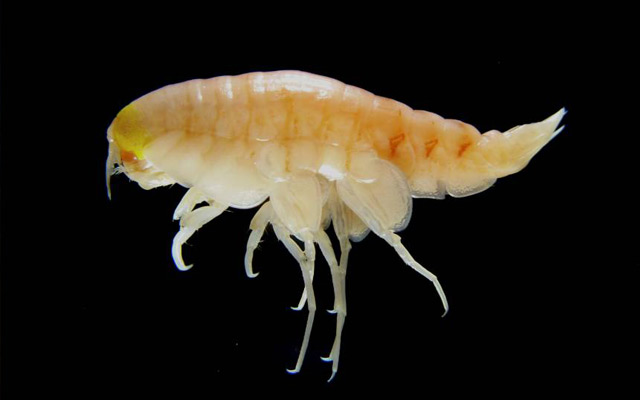
In 2017, live material collected in six of the deepest places in the world's oceans was studied, including the so-called Challenger Abyss, which is the deepest point of the deepest The world's oceanic basin is the Mariana Trench.
As you know, some crustaceans live in the Challenger Abyss. They are constantly under water at a depth of 11,000 meters. Each of the captured creatures was carefully studied for the content of microplastic particles in its digestive system.
And these particles have been found in every creature. Although the infection rate was not 100 per cent among animals caught in the other five depressions, microplastics were found in each of the crustacean populations raised from different parts of the ocean.
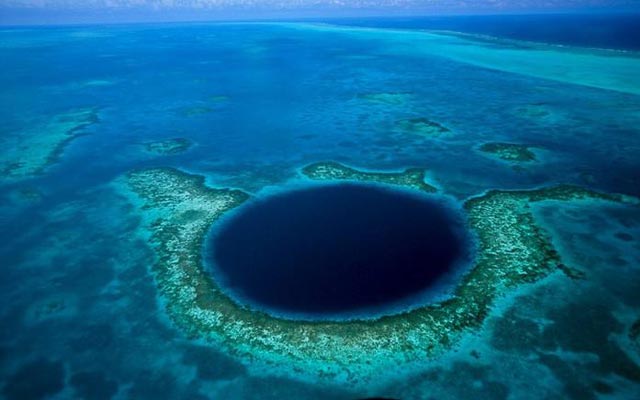
In one of the deepest depressions off the New Hebrides Islands, in the southwestern Pacific Ocean, almost half of all marine animals have plastic waste on their menu. Here you will find nylon fiber, cellulose chemical fiber, lyocell, and ramie (chemically treated vegetable textile fiber).
Crustaceans also get polyvinyl chloride along with food, which humanity uses almost everywhere — from making pipes to making plastic cards. Scientists also extracted polyethylene (material for plastic bags) from the gastric system of crustaceans. However, the Mariana Trench has become the deepest place in the world where microplastics are not only present but also eaten.
The mystery of microplastics sinking to the ocean floor
Scientists have recently conducted a large-scale study in which they were able to find out how plastic floating on the ocean surface ends up on the seabed. The result shocked them. As it turned out, some species that are part of the so-called giant plankton are involved in this process.
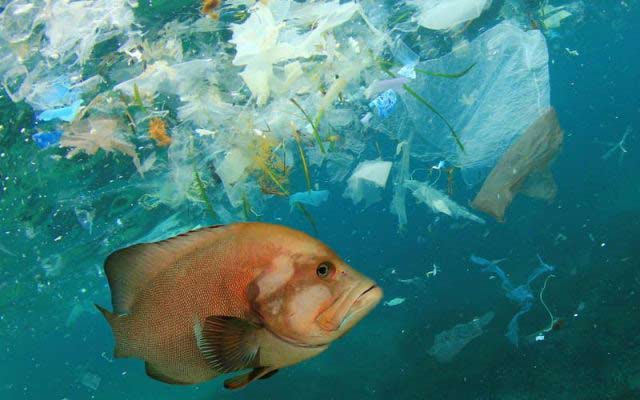
The most amazing thing is that sometimes it is not so easy to see these animals with the naked eye. Giant larvacins are the largest members of oceanic plankton species. They measure up to ten centimeters in length and live in the so-called pelagic zone of the sea or ocean, which is some distance from the bottom.
Larvacins, when eating food, can form giant bags of mucus (sometimes up to one meter in diameter). This is a kind of filter that, after filling, is “unfastened”, and then, compressed to the size of an adult's fist, settles to the bottom of the sea or ocean.
In 2017, scientists went to Monterey Pacific Bay. The waters of this bay along California's central coast are rich in plankton, which has been “fed” some microplastics. As a result, the particles, as expected, fell into bags of larvacin mucus, which scientists caught and studied.
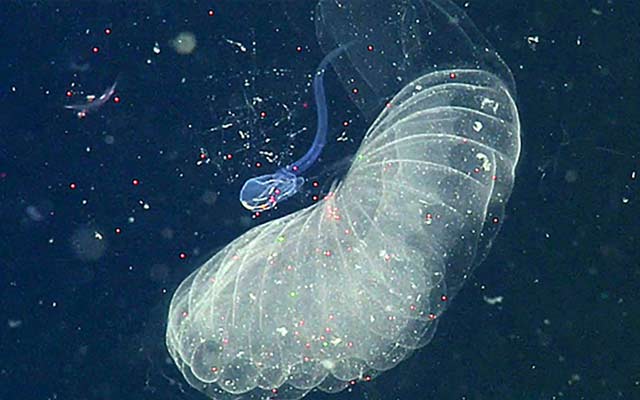
As it turned out, the above-mentioned type of plankton behaved like a plastic seal. The digestive system rammed the plastic particles together to form a large plastic ball. Larvacins eventually dropped their “plastic garbage bags”, which settled at the bottom of the aquarium.
This was the explanation for the mysterious mechanism by which plastic ends up on the seabed. However, the only thing that became clear was that microplastics remained microplastics, since animals did not have the ability to digest or break it down. Microplastics are now becoming part of the diet of seabed dwellers who eat larvacine mucous sacs.
The Great Arctic Release
The cold world of the Arctic is striking in its magnificence and ability to form giant ice forms. Unfortunately, it was also able to form giant garbage forms from microplastics trapped in the oceans. It would seem, where do these particles come from?
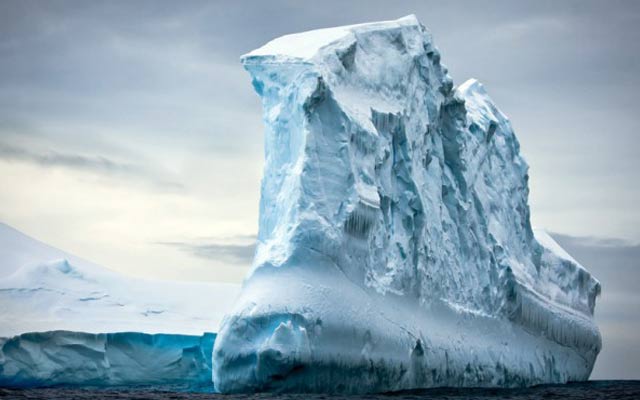
In 2018, scientists published the results of a study of ice cores (cylindrical ice samples obtained as a result of drilling) that were collected over the previous few years. The information obtained made scientists think hard about the future prospects of life in the oceans.
On the one hand, the samples show a record concentration of microplastics in seawater. The researchers tried to calculate the number of tiny particles of plastic; as it turned out, they found 17 different types of this material in 12,000 particles per liter of melted ice.
Ice cores were collected in different regions of the Arctic, so it was concluded that microplastics are now present almost everywhere in the world's oceans. On the other hand, the results of the study show that Arctic ice acts as a trap for a huge amount of microplastics.

Due to this, “caught” microplastics do not become part of the food chain, as they do not end up on the table by so-called marine filter organisms and do not contaminate their food and organisms. However, in this context, scientists are concerned about recent climate changes on the planet.
These changes are causing Arctic ice to begin to melt, a process that threatens to release incredibly large amounts of plastic that will return to ocean waters. Given the fact that the oceans already receive about eight million tons of plastic waste every year, negative consequences for marine life are inevitable.
Environmental pollution
Cigarettes against the oceans
Nowadays, many ordinary people have a false idea that plastic bags are the most important source of plastic waste in the oceans. Against this background, many countries around the world are joining a large-scale company calling for an end to the production of plastic bags.
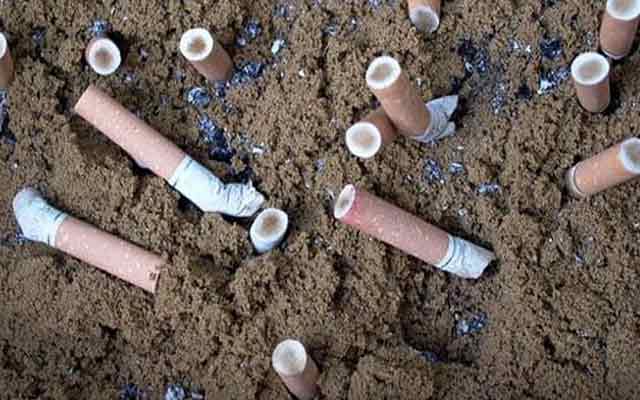
Of course, bags are among the leaders in terms of pollution, but if we compare the quantity of garbage, they would drown in mountains of cigarette butts. In 2014, a group of volunteers from an organization that advocates for a world without garbage collected more than two million cigarette butts on beaches in the United States of America.
Most people don't even realize that the cigarette filter is essentially a plastic called cellulose phacetate. Sunglasses are made of this material. A cigarette filter alone can break down into thousands of microplastic particles that pollute the environment.
And even assuming that in the future cigarette filters will be widely made from materials that are susceptible to microbiological destruction, this will not improve the situation much. The fact is that even after smoking cigarette butts still contain a variety of toxins that can pollute both land and ocean.
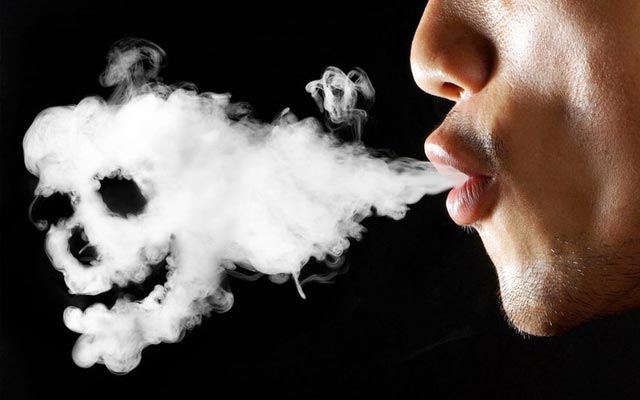
It is for this reason that some researchers advocate that cigarettes around the world be made without filters. And not only because bulls pose the biggest threat to ocean life. Another reason that has nothing to do with the pollution of the seas and oceans is that tobacco companies have created a false image in the minds of ordinary people that the filter makes cigarettes safe.
In this context, the results of one study are noteworthy, according to which many smokers would rather quit smoking altogether than switch to unfiltered cigarettes. Thus, it would be possible to improve the environmental situation in the World Ocean, preserve the health of many people, and save huge sums of money that different countries spend every year on fighting smoking and its consequences.
100% contamination of mussels
In 2018, a group of researchers from a UK university collected a number of “wild” mussels from eight coastal regions of the country to study. Scientists also bought this popular seafood from eight different local supermarkets.
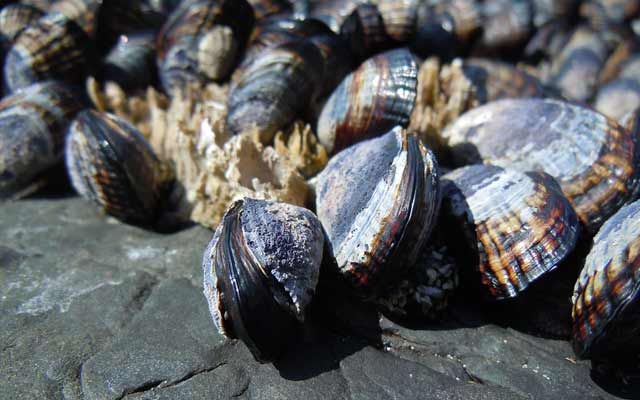
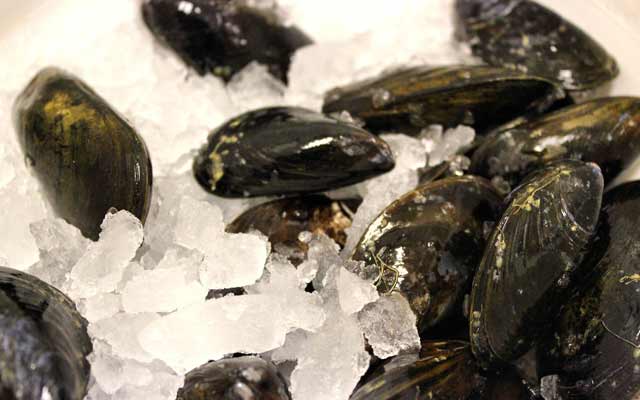
As studies later showed, absolutely all mussels contained microplastics (even those that were artificially grown on various farms). It is noteworthy that freshly caught bivalves contained fewer plastic particles than those bought frozen or already cooked.
This can only mean that microplastic pollution has long taken on a planetary scale. And the method of cooking mussels has absolutely nothing to do with it. The “wild” mussels, which were harvested alive in eight different coastal zones, were all “contaminated” with microplastics.
And even in commercially grown mussels in the UK, approximately 70 microparticles of plastic and other waste (such as cotton and artificial silk) were found for every 100 grams product. All this garbage ended up inside the mussels because these bivalves filter seawater through themselves as they feed.
Some scientists suggest that plastic does not pose any risks to the human body, since it passes undissolved through our body. However, other experts believe that the negative effects of plastic microparticles (especially nanoparticles) are still very poorly understood.
Plastic waste
Great Australian Bay
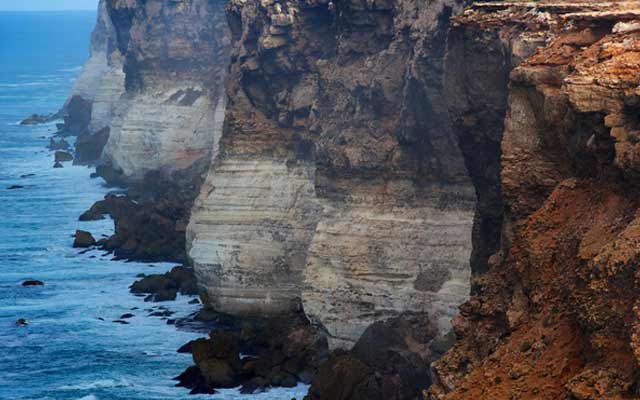
In 2018, it was decided to conduct a study that would answer the following question: did microplastics really spread all over the world's oceans? Scientists chose the Greater Australian Bay for their study, the remote location where microplastics were least likely to be detected.
The Great Australian Bay is one of the deepest in the ocean. This natural creation is considered to be the largest natural heritage that has been preserved almost in its original form, and with an isolated marine environment. The researchers who sampled the water were extremely careful to prevent it from being accidentally contaminated by microplastic particles.
The equipment was treated with deionized water, and the staff themselves worked in special clothes that prevented even plastic nanoparticles from entering the water. Therefore, when the plastic was discovered, no one could have the slightest doubt that it was not the research team that “inherited” it.
The news that microplastics are present in water far from the coast, at great depths (about two kilometers), in one of the most isolated marine basins on the planet, discouraged the scientific community. After all, the Great Australian Bay has hitherto been considered a completely untouched place in the ocean.
Read also: How long does it take for the garbage we throw away to decompose?
In addition to finding evidence that plastic microparticles are likely to have penetrated into the most remote places on the planet, the researchers made another disappointing conclusion from their scientific research. As sad as it sounds, the problem of microplastics is too big to be overcome.

Microplastic particles are found in the air, in water, in homes and even in food. Indeed, according to many scientists, the final effect of plastic on the human body remains unexplored. However, plastic microparticles are present everywhere, so specialists now have extensive material for deeper study.
People drink water with microplastics
If you think that microplastics have only penetrated into the waters of the World Ocean without affecting drinking water, you are deeply mistaken. And although the problem of marine and ocean pollution cannot but worry the mind of any normal person, we are usually primarily concerned about the danger that is closer to home.
In 2017, as part of one of the large-scale studies, a joint team of specialists studied tap water in more than twelve countries around the world. As it turned out, 83 percent of the samples found microscopic plastic inclusions.
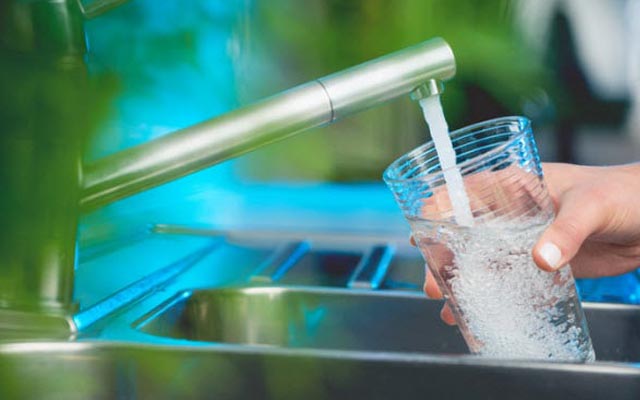
It is noteworthy that the United States of America recorded the highest level of pollution — 94 percent of the country's tap water contains microplastics. Are you buying bottled drinking water? In fact, in this case, no one will give you any guarantees of its purity. Quite the opposite!
In 2018, the World Health Organization showed a logical interest in bottled water producers. At the same time, another large-scale study was initiated, the brands of which examined 259 bottles of water purchased from nine different countries.

The percentage of pollution was worse than in the case of tap water. As it turned out, 90 percent of the bottled water contained microplastics — an average of 325 microscopic particles per liter of water. Scientists find it difficult to say how toxic particles ended up in drinking water.
Perhaps the culprits are microplastic particles in the air, which enter through factory fans and workers' clothes. Hundreds of millions of people continue to drink bottled water because there is no filtration system that can handle plastic nanoparticles — so small that they are are able to penetrate human cells.