
 Culture
According to a new study, children are more generous when they know their actions will be noticed. The findings, published on October 31 in PLoS One magazine, suggest that even toddlers who attend kindergartens already know how to play social games and follow a strategy to whitewash their own reputation.
“Just as we see patterns of “charitable” behavior in adults, the same trends are observed among children, most likely due to the amount of information available to others about your actions. Thus, this is relevant for both adults and children: the more other people know about your actions, the more likely you are to act more generously,” says the co-author research, Yale University specialist Kristin Leimgruber.
Leimgruber's team gave 5-year-old children several stickers and said they could share 1-4 stickers with their peers. Some kids saw who shared with them, others didn't. Children were more greedy when they didn't see who they shared with or who shared with them. They also kept more stickers for themselves when they were asked to put stickers in opaque boxes. When boxes were transparent, they became more generous.
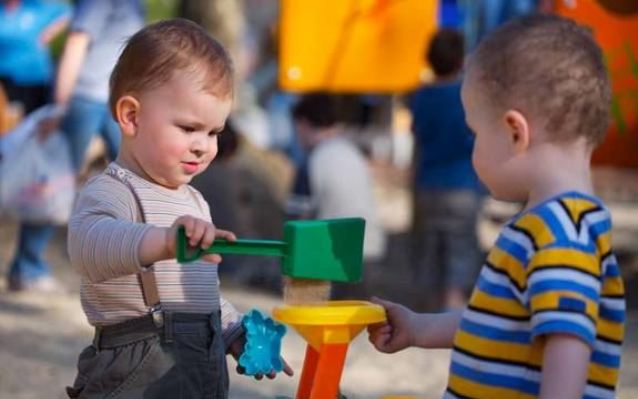
In general, kindergartens showed themselves to be very selfish: only those children who saw “their partners” and those who had to put stickers in opaque boxes shared as much as possible possible number of stickers. Interestingly, previous studies have shown children “more generous”.
“Previous studies in which researchers noticed high levels of generosity may have inadvertently included elements of “box transparency” or “partner visibility” that motivate children to be more generous,” the authors of the study concluded.