
 Health
Content:
How to quickly get rid of a cough at home in an adult
1. Gargling with salt
2. Warm milk with honey
3. Ginger
4. Dry ginger and black pepper
5. Lemon
6. Turmeric milk
7. Grapes
8. Garlic
9. Sage
10. Hydration
During the cold season, many people face such an unpleasant problem as coughing. Cough is considered the first symptom of an acute respiratory viral infection or a common cold.
Therefore, it is always necessary to treat not the symptoms but the causes of its occurrence. Of course, you should consult a doctor, but there are also recipes for traditional medicine that have been tested by time and are still very popular today.
We will give recipes for some cough remedies that are easy enough to prepare at home.
How to quickly get rid of a cough at home in an adult
1. Gargling with salt

Gargling with salt helps with all infectious diseases of the upper respiratory tract.
This solution removes puffiness, heals, disinfects and cleans the mucosal surface.
Rinsing should be done daily and hourly.
Table salt. For 200 ml of water, you need to take a teaspoon of ordinary table salt, wait until it dissolves completely. Use the solution immediately after preparation.
Sea salt. Finely ground sea salt is dissolved in 200 ml of water – a teaspoon with a slide is required. The solution is not intended for long-term storage.
2. Warm milk with honey

Cough can be dry and wet. Dry cough usually appears at the very beginning of the disease. The mucous membrane of the pharynx and trachea becomes inflamed, and the body is trying to cope with it.
Coughing occurs as a response to irritation. At the same time, it is very important to soften the sore throat. This is where milk with honey comes in handy.
This drug stimulates the production and discharge of sputum, strengthens the immune system so that the body can cope with the infection as soon as possible.
Milk should be boiled and cooled so that it is not hot, but warm.
Add a tablespoon of honey to a glass of milk.
In order to soften the sore throat, butter should be added to milk mixed with honey. This helps relieve pain and perspiration.
Or you can add the same amount of mineral water to the milk, from which you must first release the gas.
3. Ginger
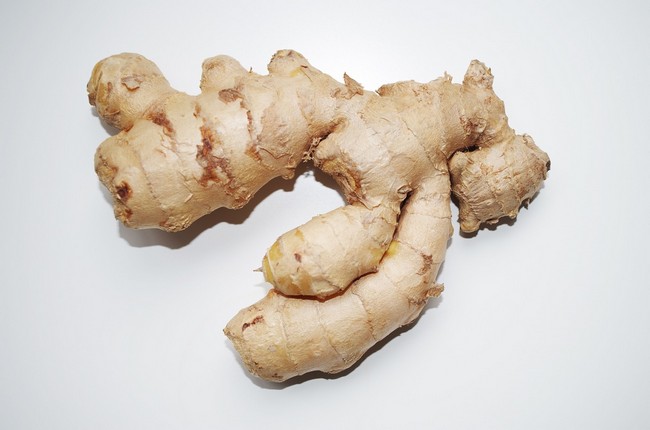
Ginger has anti-inflammatory and antibacterial effects, which is why it is advisable to use it in the treatment of respiratory diseases.
Ginger is most effective in treating wet cough, which often accompanies bronchitis and colds. Cough ginger is most often taken as a drink or tea.
Ginger tea
Pour several pieces of peeled ginger with boiling water. Leave to stand for 15 minutes.
You need to take ginger tea three times a day.
Ginger is quite spicy, so it's good to sweeten the tea with honey, fresh mint, and add lemon.
Ginger tea is also an excellent preventive agent for the epidemic of acute respiratory viral infections, because it strengthens the immune system.
Ginger root tea not only reduces the risk of contracting an infection, but also warms you up during the cold season.
Ginger jam
A great alternative to pharmacy syrups is thick and sweet ginger jam.
Take it several times a day until the cough relieves.
Ginger juice (1 tbsp), sugar (0.5 cups), water (1 cup), saffron, nutmeg – 1 pinch each.
To prepare this syrup, dilute the sugar in water, add the juice squeezed out of the ginger root and boil until the mixture thickens.
At the end, add nutmeg and saffron.
Inhalations with ginger for cough
You need to grate the ginger root and fill it with hot water. Inhalations are best done before bedtime.
4. Dry ginger and black pepper
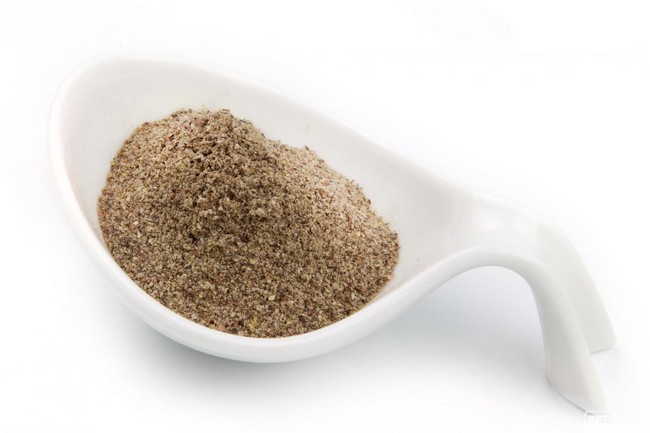
Dry ginger and black pepper, mixed together, are a traditional cough remedy.
All you need is a tiny pinch of the mixture on your tongue.
This is an effective blend for immediate relief.
Read also: 8 of the healthiest herbs and spices
5. Lemon
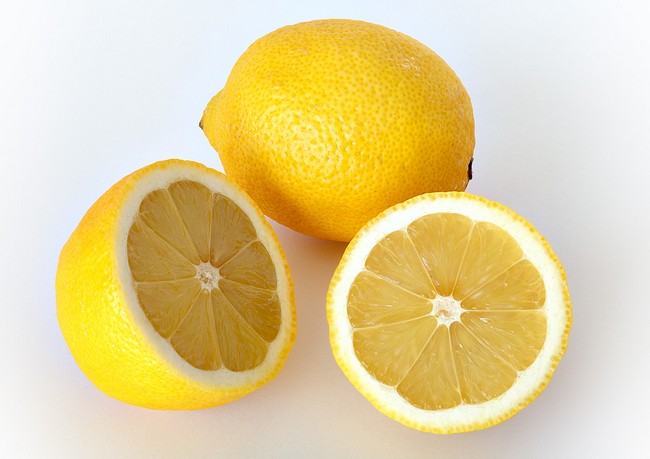
Lemon can be a very good helper in the fight against coughing. Lemon is used for a wet cough.
Boil 1 lemon on low heat for 10 minutes so that it becomes soft and so that more juice can be squeezed out of it.
Cut the lemon in half and squeeze the juice (preferably with a juicer).
Pour the juice into a glass, add 2 tablespoons of glycerin, stir thoroughly and top up the glass with honey.
With a mild cough, take the resulting syrup 1 teaspoon several times a day. Shake well before use.
If you cough heavily, drink syrup 1 teaspoon 6 times a day – in the morning (on an empty stomach), before and after lunch, in the evening, after dinner and at night. As the cough decreases, reduce the number of doses.
6. Turmeric milk
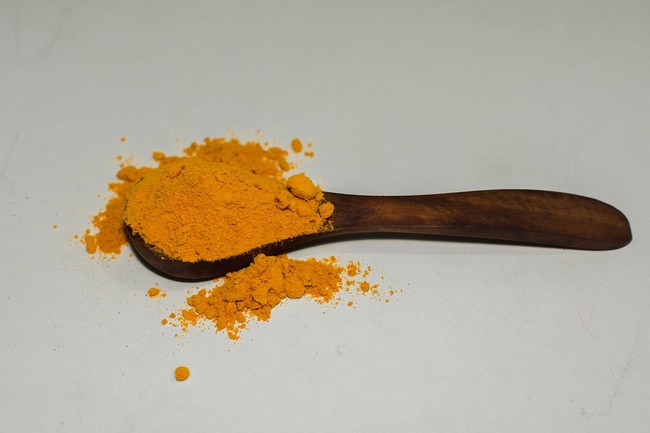
The benefits of milk with turmeric are enormous: it is a treatment for coughs, colds, bronchitis. Turmeric is valued for its anti-inflammatory and antioxidant effects.
It also has analgesic and disinfecting properties. It is not for nothing that people call it “natural aspirin”. Turmeric owes its healing properties to its main and most active component, curcumin.
If you need an expectorant, it is good to inhale the vapors from turmeric powder heated in a pan.
If you mix 1-2 tsp. turmeric powder with warm milk and drink twice a day, the cough will go away in a couple of days. This remedy works best against bacterial coughs.
You can do inhalations with turmeric.
Chronic cough can be relieved by holding a small piece of turmeric root in your mouth.
7. Grapes

Grapes are used not only as a fruit dessert and for making wine, but also in folk medicine. It helps in the treatment of diseases such as bronchitis and laryngitis, chronic pharyngitis and pleurisy, pulmonary heart failure, and so on.
Grapes in particular even help with tuberculosis. This recipe is used when a wet or dry cough occurs, when the larynx becomes dry, and a weakening of the voice is noticeable.
You need to take the raisins and rinse them in hot water. Then squeeze and boil in 300 ml of water for 3-5 minutes.
Then drain the broth and cool.
Chop the onion and squeeze the juice from it.
You need to take it as follows: add about 15 drops of onion juice to 100 ml of raisin broth, take the medicine three times a day.
Fresh red grape juice sweetened with a teaspoon of honey is a good way to treat deep chest cough.
8. Garlic
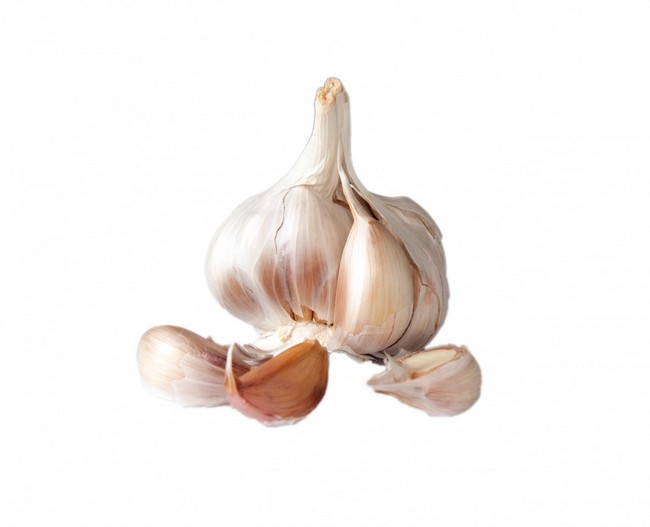
The healing properties of garlic have been noticed in ancient times and ancient healers used it as a folk remedy for the treatment of many diseases.
Garlic is a storehouse of various microelements, vitamins and natural substances that are the prototype of antibiotics, as the product contains allicin, a natural antiseptic.
Mix the juice from 2 heads of garlic, 1 lemon and 0.5 liters of honey.
Take 1 tablespoon daily.
This recipe helps not only with coughing, but also for strengthening the immune system.
Garlic milk
Bring 1 cup of milk to a boil and throw 3 whole cloves of garlic into it.
Cook the garlic until soft and mash it. Cool the drink a little and add honey to the warm milk to taste.
You need to take the drug 1 glass a day. This recipe will help not only for coughing, but also for helminthic invasion, as well as giardiasis.
Children can be given garlic from the age of 3. For children under 12 years of age, the dosage should be halved.
For additional effect, before going to bed, a saucer with chopped garlic is placed near the patient within a radius of 30 cm.
The smell helps to sanitize the air in the room.
Garlic is not recommended for pregnant women, as well as people with gastrointestinal problems, liver diseases, kidney diseases and epilepsy.
9. Salvia
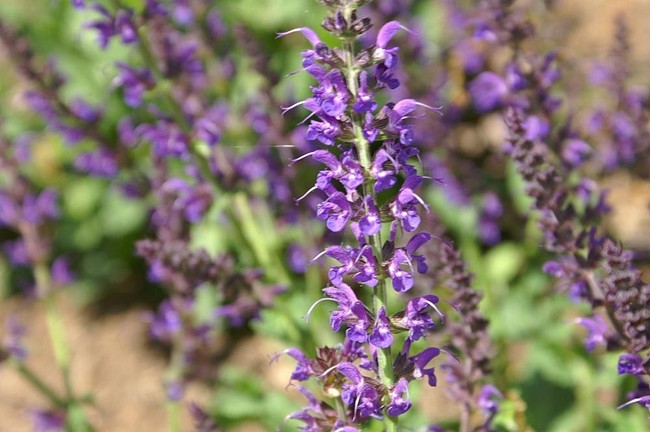
Sage has been used as a medicine since ancient times and has not lost its popularity today. This plant has a bactericidal and anti-inflammatory effect.
Sage relieves inflammation and spasms, produces antibacterial and antiseptic effects, removes phlegm from the bronchi and relieves cough. It is best to prepare a cough medicine from dry sage.
Sage broth
The simplest thing is to make a decoction.
For a glass of water — 1 tablespoon of dried grass.
Pour water in an enamel bowl, boil, simmer for 5-6 minutes, remove from the stove for a few minutes, then bring to a boil again.
Then remove from heat and drain. The broth is ready.
Drink half a glass before going to bed once a day, the course is 1 week. For children, the dosage is reduced by 2 times.
You can store for up to 48 hours at a temperature of + 5.
Milk broth
For the broth, you need to take sage – 20 g, milk – 200 ml, butter – 10 g and honey – 10 g.
Place the grass leaves in a container, add milk. Put on the stove and wait until the broth boils.
Cool, filter and add butter.
When the broth is infused, add honey to it. Stir and take at bedtime.
Inhalation with sage is another very effective method of fighting cough.
It is necessary to take 100 g of sage leaves, 500 ml of water.
Add sage leaves to hot water, lean over the container and cover yourself with a towel.
Inhale the vapors for 10-15 minutes.
10. Hydration

Usually the disease begins with a dry cough. The virus settles in the body, and a person coughs from the tracheitis. At this time, there is no phlegm, there is little mucus, coughing begins due to irritation in the trachea and throat, but there is nothing to cough with.
So what do we do? It is necessary to increase the amount of mucus, which will help soften the throat.
Drink a lot. Fluid is needed to increase the amount of mucus and phlegm, and, consequently, to relieve coughing. The drink should be warm. Alkaline drink is good. For example, Borjomi, mineral water. You can warm it up a little, or you can mix it with milk (one to one).
Be sure to moisturize the room. It would be nice to put a humidifier in the apartment. If it does not exist, do wet cleaning more often.
The nose can be moistened by washing with sea water or borjomi.
Inhalations only with a nebulizer. With its help, inhalations can be done simply with saline solution, to cleanse and moisturize mucous membranes.
Read also: If you are constantly ill, the following measure will help you
There are two main types of cough, dry (unproductive) and wet (productive). A productive cough is accompanied by the release of sputum (mucus). This type of cough should not be suppressed, as the body must get rid of the harmful mucus that is in the chest and lungs. Dry cough should be stopped.
After the first signs of illness, you should see your general practitioner to establish an accurate diagnosis and get the right treatment.
And you can use folk remedies for cough at home as a supplement to the main treatment or as an alternative. In most cases, the cough should go away.