
 Travel
Contents:
Fuerteventura on the map Fuerteventura
Island, Canary Islands, Spain
Weather on Fuerteventura
January
February
March
April
May
June
July
August
September
October
November
December
Fuerteventura Beaches Fuerteventura
Airport
How to get to Fuerteventura
Ferries Fuerteventura
Attractions
Fuerteventura Attractions Fuerteventura Lanzarote
Holidays in Fuerteventura
Surfing in Fuerteventura
Fuerteventura is a Spanish island lost in the Atlantic. This is the most “African” among the European islands. European restraint and African flavor are intertwined here.
The island's name comes from the Spanish word fuerte ventura, which means “strong luck”. However, some sources give a different translation: “driven by a strong wind” (fuerte is the wind, viento is the wind).
Unlike Tenerife's more famous neighbor, Fuerteventura is not so noisy, but it is no less popular among tourists.
This paradise on Earth is chosen by lovers of relaxing holidays.
Fuerteventura on map
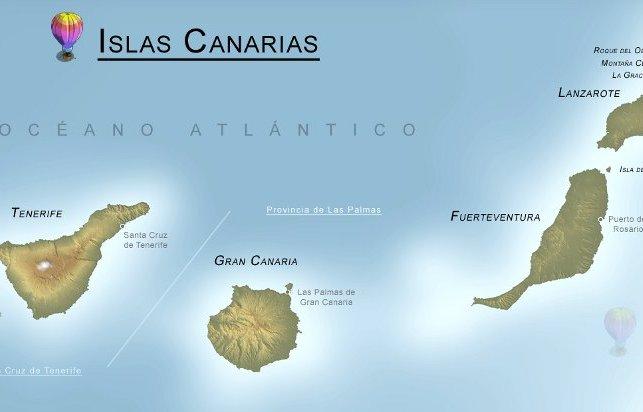
Fuerteventura is the easternmost and second largest island in the Canary Archipelago after Tenerife. Washed by the waters of the Atlantic Ocean, it is located 100 kilometers from the coast of Africa.
The island has a population of just over 100,000 people.
Fuerteventura Island, Canary Islands, Spain
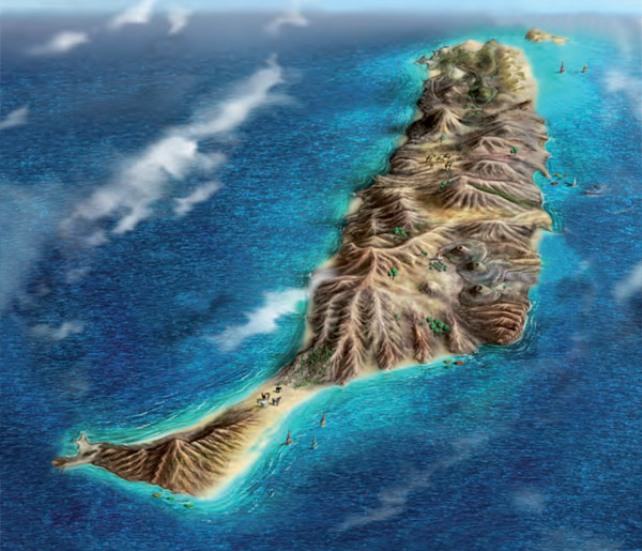
Like the other islands of the Canary archipelago, Fuerteventura is of volcanic origin. According to scientists, the island's unusual shape is the result of volcanic eruptions that occurred more than 20 million years ago.
This is the oldest island in the Canary Islands.
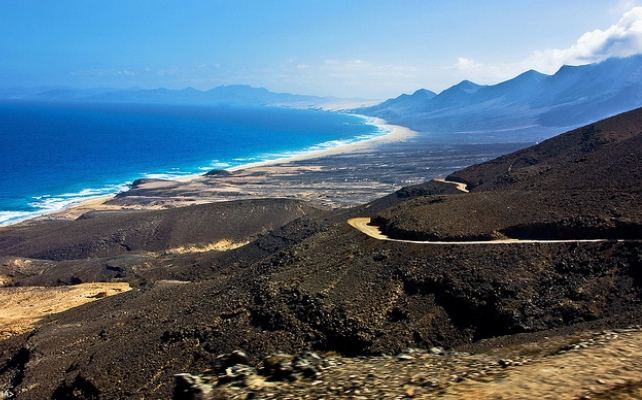
The total area of the island is 1,659.74 square kilometers. This is a fairly long and narrow island.
It is 31 kilometers wide and 100 kilometers long, making Fuerteventura a very convenient place to visit. After all, wherever you are on the island, it will almost always be a coast overlooking the ocean.
The main city is Puerto del Rosario, which belongs to the province of Las Palmas. The highest point of the island is 807 meters.
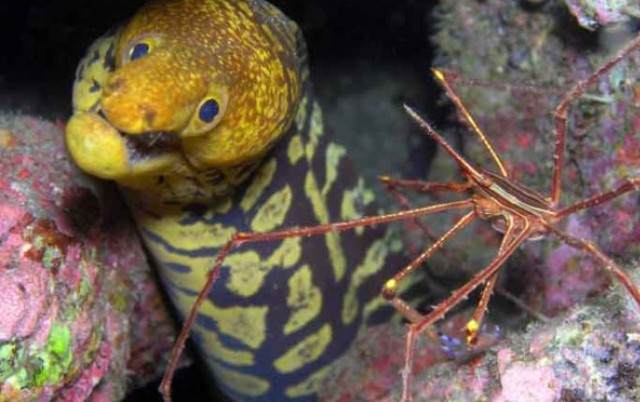
While the flora of the island can hardly be called rich, the fauna of Fuerteventura is extremely diverse. Here you can see bustard, vulture, little white heron and many other birds and animals.
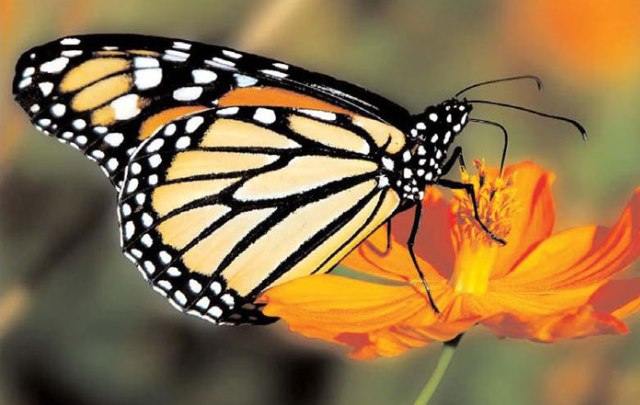
The island is also home to the rarest monarch butterfly on the planet.
Fuerteventura Weather
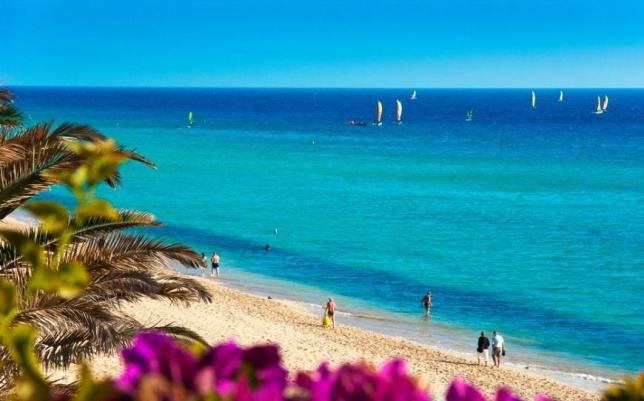
Of course, the main factor in choosing a tourist destination is the weather. In this regard, Fuerteventura can really be called an ideal place.
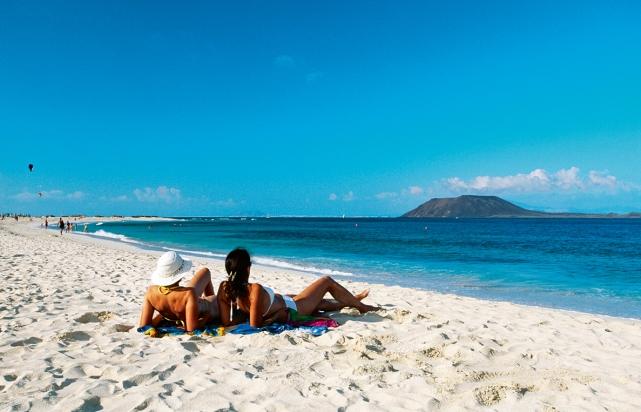
Due to its mild climate, Fuerteventura's beach season lasts all year round. Here you can sunbathe and swim at any time of the year without suffering from the scorching sun and the unbearable heat.
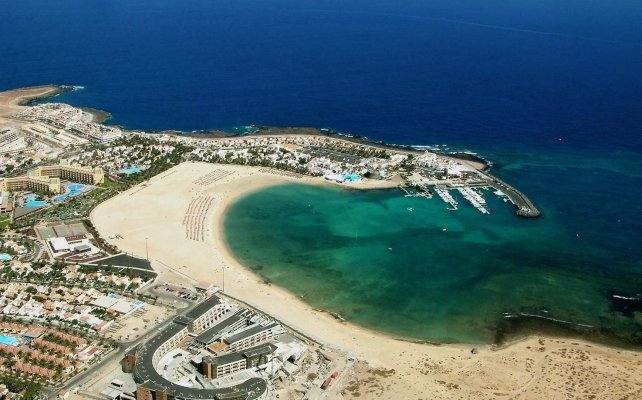
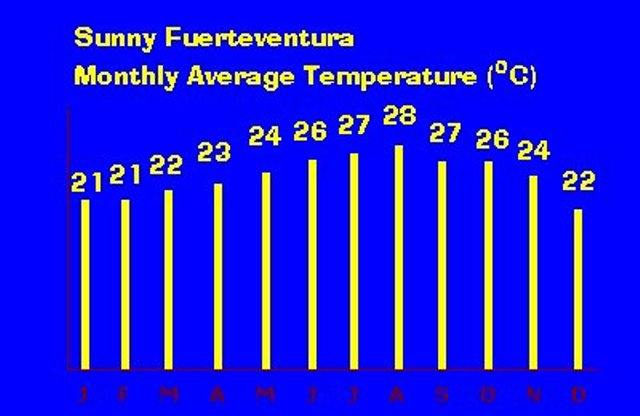
The average temperature in July in Fuerteventura is 27°C. The climate is characterized by rather low air humidity. And, thanks to frequent gusts of wind that bring coolness and freshness, even on the hottest day you will not feel like you are in a steam room.
Fuerteventura: weather by month
Fuerteventura weather in January:
The daily air temperature on the island in January ranges from 22°C to 24°C. At the same time, the minimum temperature at night can drop to 16°C.
Therefore, those who plan to visit the island at the beginning of the year should take care of a pair of warm sweaters. The evenings and nights in winter are quite cool
The average water temperature at this time of year is 19-20°C.
Fuerteventura weather in February: The
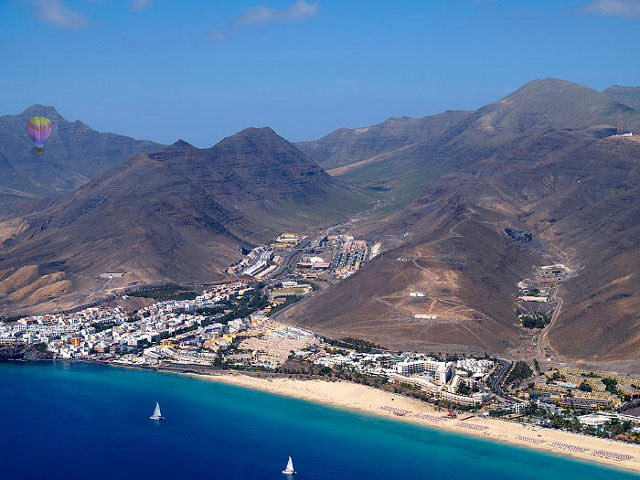
weather in Fuerteventura in February does not differ much from January. The highest daytime temperature is in February 2016 reached 23°C.
The minimum night temperature dropped to 14°C. As a rule, the average daily temperature is 20.7°C, at night this figure reaches 17.5°C.
The sea temperature in February ranges between 18.6°C and 19.6°C. Fuerteventura
weather in March:
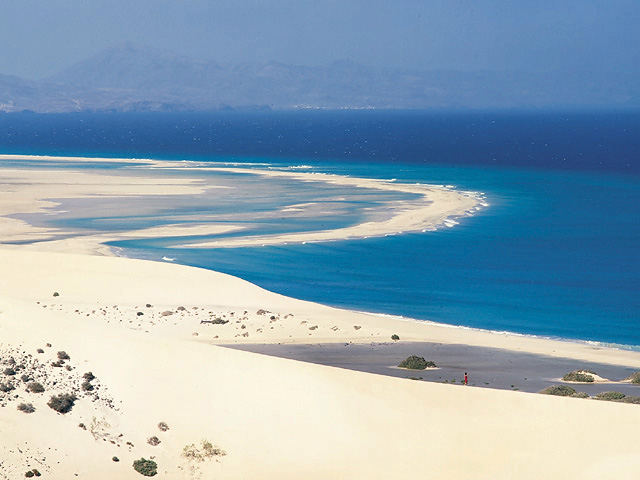
The temperature at night in March may drop to 15°C. Daily rates rise to an average of 20°C. The highest daytime temperature in March 2016 reached 23°C.
The water temperature ranges from 17.5°C to 18.5°C.
Fuerteventura weather in April:
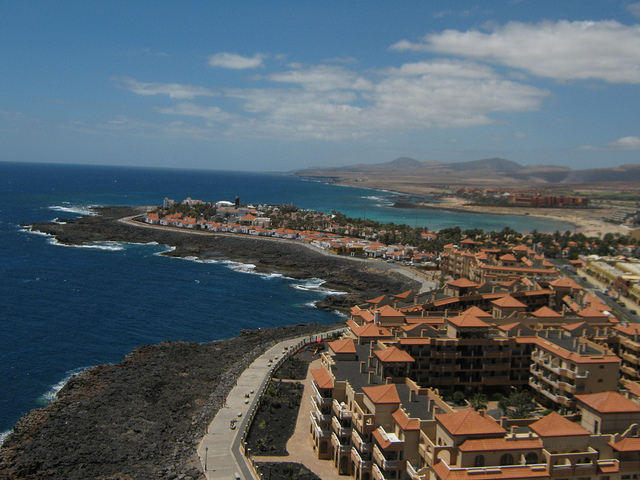
Temperatures in April do not differ significantly from March. The maximum daily air temperature in April 2016 reached 24°C.
The average daytime and night temperatures this month are 21.5°C and 17.5°C, respectively.
The average water temperature is 18.5°C.
Fuerteventura weather in May:
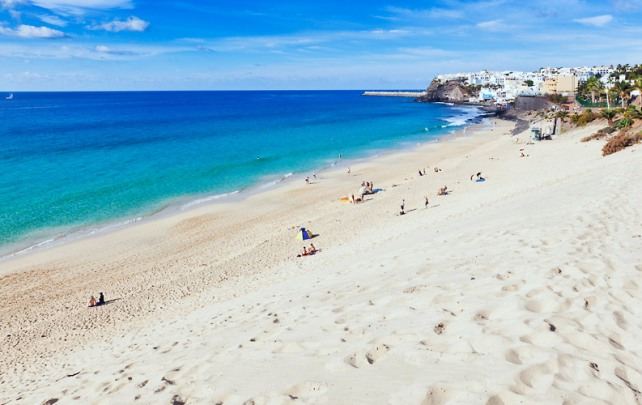
The highest daily temperature in May last year rose to 25°C. The minimum night temperature dropped to 17°C.
The sea temperature in May is almost 20°C.
Fuerteventura weather in June: The
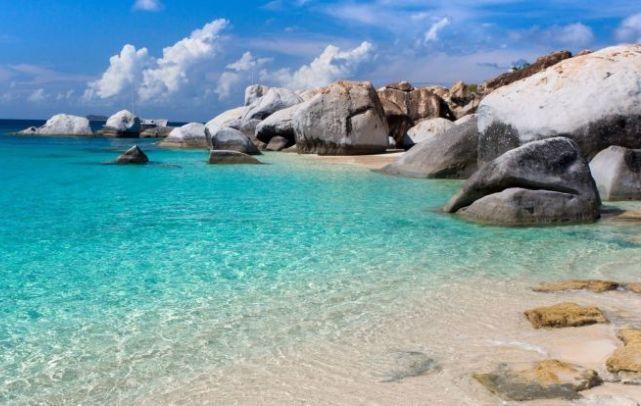
average daytime and night temperatures in early summer reach 25.7°C and 20.3°C, respectively.
The sea water temperature in June reaches 21°C, which makes it optimal for sea baths.
Weather in Fuerteventura in July:
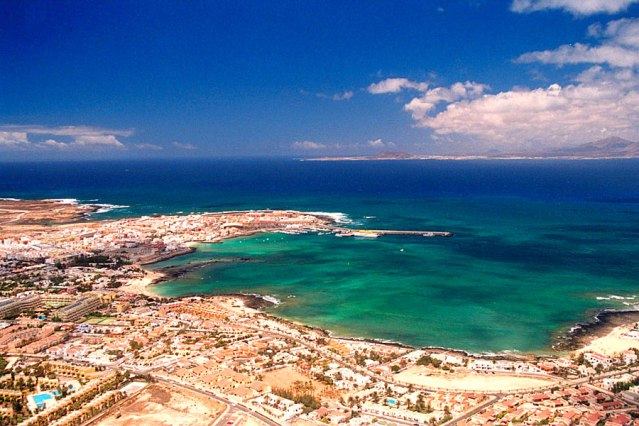
July-August is the peak period for tourists to visit the island.
The highest air temperature in July last year was 32°C. The average daytime and night temperatures of the hottest month are 30°C and 21°C, respectively.
The water temperature ranges from 21 to 22°C.
Fuerteventura weather in August:
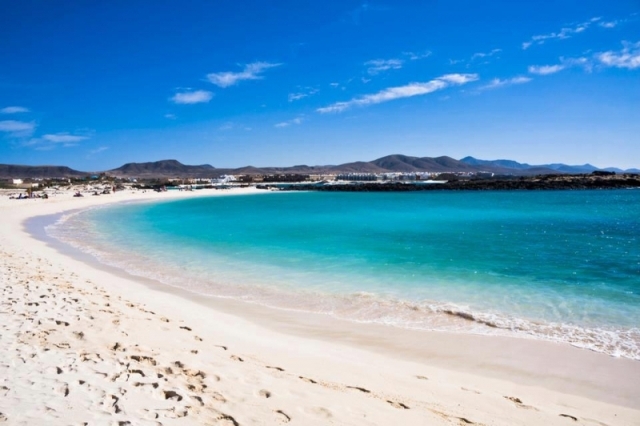
The average daily temperature in August reaches 29°C. The maximum temperature is 33°C. Night rates range from 22°C to 24°C.
The water temperature in the sea ranges from 22°C to 23.3°C.
Fuerteventura weather in September: Fuerteventura's
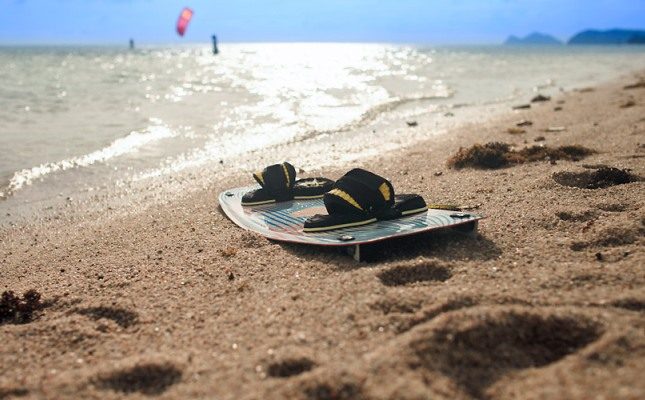
velvet season is characterized by particularly pleasant temperatures. On average, the air warms up to 26°C during the day.
Night temperatures are also very mild. The air warms up to 22-23°C at night.
The water temperature is 23-24°C.
Fuerteventura weather in October:
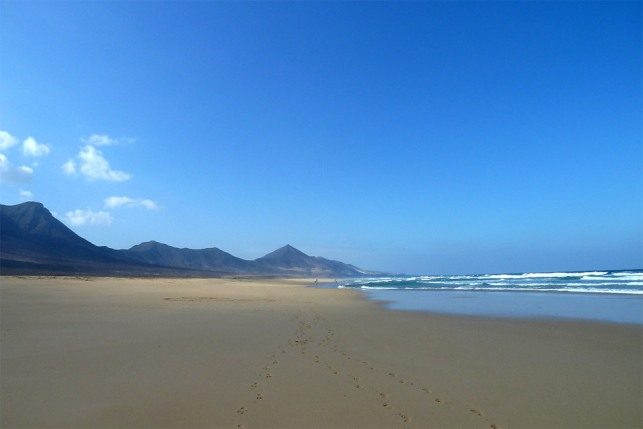
The average daytime temperature on the island reaches almost 26°C. Night temperatures range from 22 to 23°C.
The water temperature in the sea is about 23.5°C.
Fuerteventura weather in November:
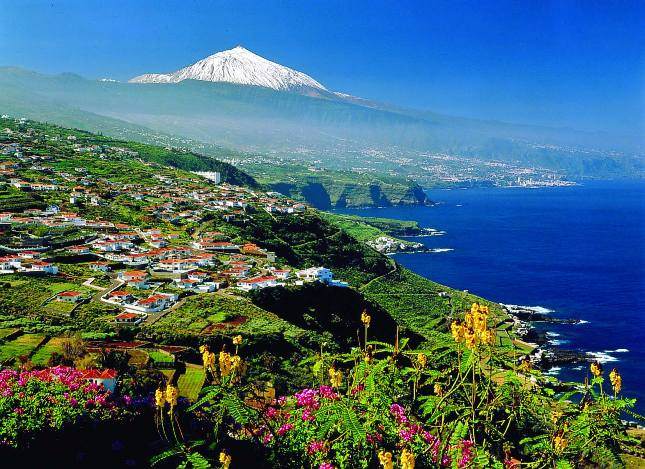
The islands of the Canary archipelago usually have two peak seasons: summer, when vacationers want guaranteed sunburn and hot water, and late autumn-early winter.
In contrast to the cool January, the temperatures in Fuerteventura in November contribute to a more comfortable and enjoyable vacation.
At this time of year, you can get a light tan without getting burned or frozen.
The water temperature reaches 22°C, and the temperature changes during the day and night are not as significant as in January.
Read also: Tenerife Island: weather, beaches, activities and attractions
Fuerteventura weather in December:
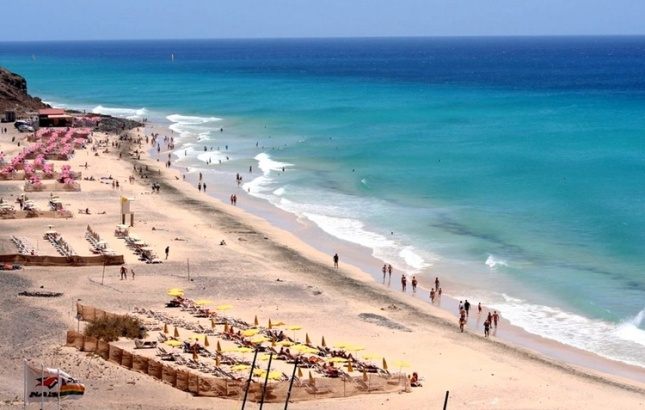
The weather on the island in December is not too different from November. The daytime air temperature rises to 22°C.
The highest daily temperature in December last year was 26°C. The minimum temperature at night reached 17°C. The average daytime and night temperatures in December are 22.2°C and 19°C, respectively.
The average sea temperature is 20.4°C.
Holidays in Fuertoventura
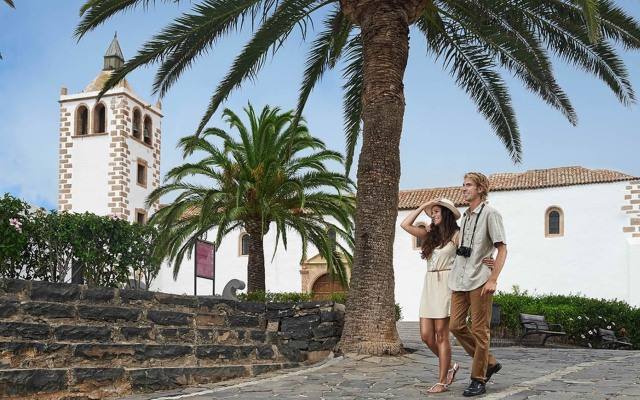
This is a place that can safely be called paradise on Earth. The corner seems to be specially designed for relaxing and enjoying life.
Fuerteventura does not have as many clubs and discos as Ibiza or Tenerife is famous for.
The island can hardly be called a party resort.
It is more of a place for a quiet and secluded or family vacation.
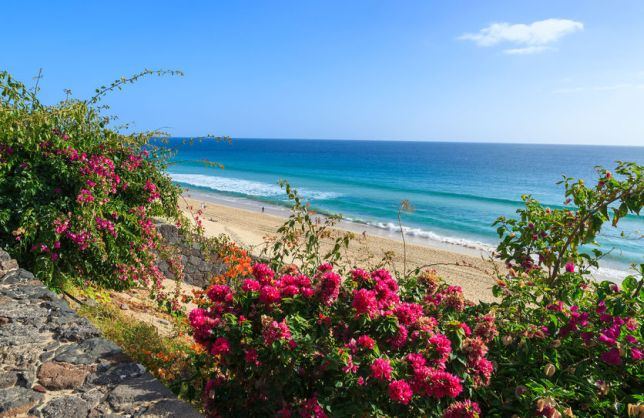
Read also: Canary Islands: weather, best beaches, entertainment A traveler who dreams of sea, sun and peace at the same time will come
here. A tourist who chooses Fuertoventura will not experience noisy nightclubs, but romantic walks in the evenings.
It is worth noting that Fuerteventura is not only about sandy beaches and warm seas. This small island offers great shopping opportunities.
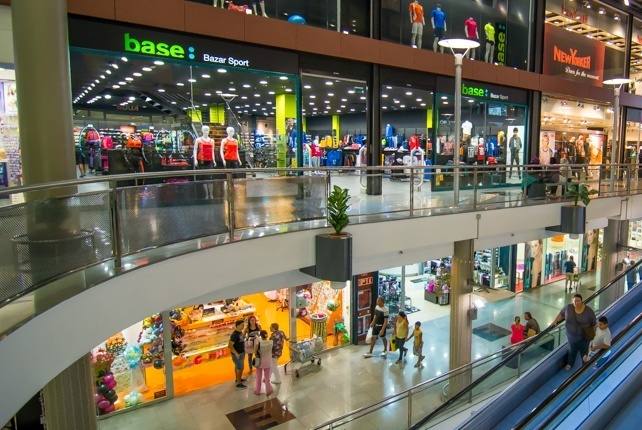
Therefore, shopaholics can be calm: they have as many as 3 shopping centers at their disposal.
And there is nothing to say about numerous small shops and various souvenir shops. There are simply plenty of them here.
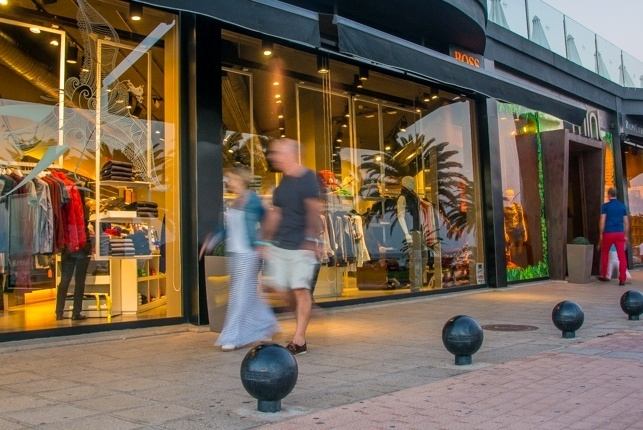
Puerto del Rosario, the capital of Fuerteventura, is home to the huge Rotondas shopping center, where you can buy clothes from popular European middle and budget brands.
In Rotondas, the traveler will also find Fuerteventura's largest supermarket. Here you can buy a variety of food and drinks.
Clean air and beautiful views of the island are conducive to hiking. But how do you get to its more remote corners if the need arises?
As in any European city, the island's transport links are excellent.
Thanks to comfortable buses that run on a strict schedule, you will be able to travel from one point on the island to another without overpaying.
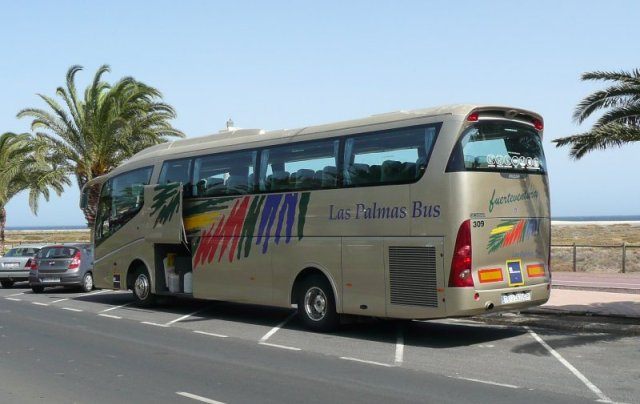
In addition, buses are required to be air conditioned. Therefore, by choosing this means of transportation, you can be sure not only of the economy of transport, but also of its convenience.
If you are not used to saving on a vehicle, use the services of taxi drivers.
Taxis on the island have a flat rate, and you pay for your fare only by meter.
The price per kilometer starts from 0.5 euros and more, depending on the location of the route and a number of other factors. For example, the fare outside the city will be higher than within the city limits. The price also increases by 15% in the evenings, at night, on weekends and holidays.
If you want to travel on your own without time, you can rent a car.
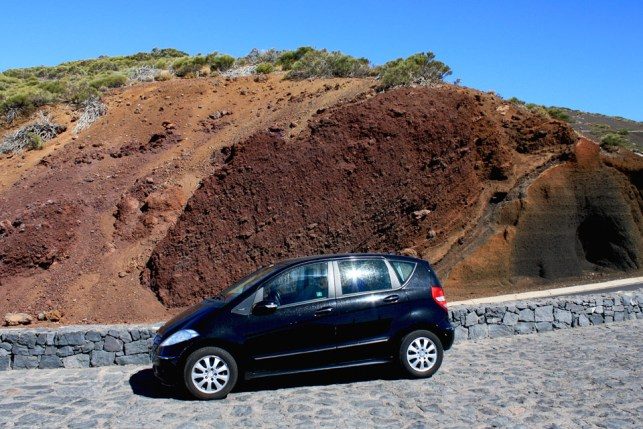
This is much more economical than a taxi and more convenient than a bus. You make your own schedule of where you will go and what time you will go. The weekly cost of renting the simplest car varies from 70 to 100 euros.
In summer, during the peak season, the price rises. But in any case, renting a car will be much cheaper than using taxi drivers every day.
Fuerteventura Beaches
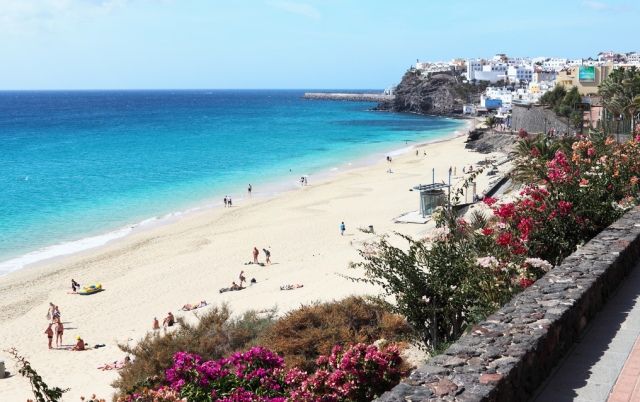
Fuerteventura is part of the Canary Islands, with the mere mention of which you can imagine beautiful coastal recreation areas.
Indeed, the beaches here occupy a huge part of the island's territory.
Fuerteventura's quiet and picturesque beaches are considered to be the best in the Canary Islands. They are dotted with fine, light sand, which Europeans love so much.
Unlike Tenerife's well-maintained and bustling beaches, Fuerteventura's beaches are considered wilder and more deserted.
Beach lovers will be satisfied: there are only several dozen beaches on the island for every taste and color.
Sotavento: the most visited beach
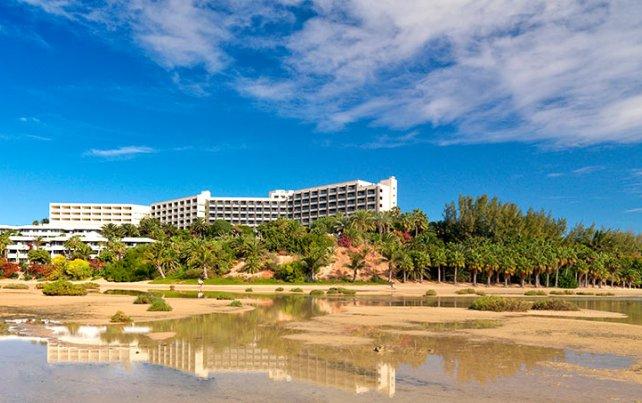
Sotavento Beach is one of the favorite tourist destinations. This is probably the most famous and largest beach on the island, conditionally divided into 3 parts.
It occupies the southeastern coastal area of the Jandia Peninsula. Sotavento Beach has been the venue for various water sports competitions for decades.
Cofete: the “wildest” beach
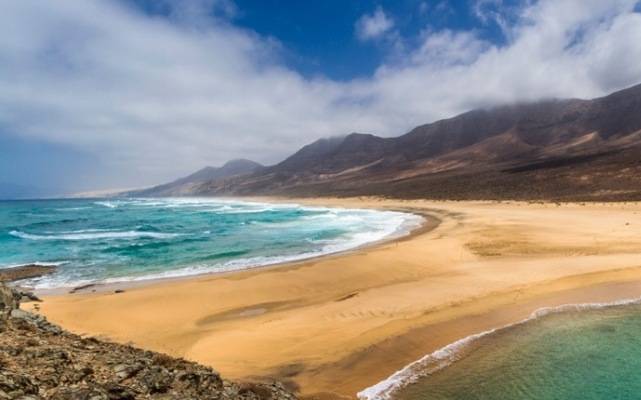
Do you like secluded places to relax? Welcome to Cofete Beach. Feel free to choose it if you want peace and quiet.
Tourists who prefer this charming wild coast will be able to enjoy its pristine beauty and see many unexplored corners of the island.
Ahuy: the most exotic beach
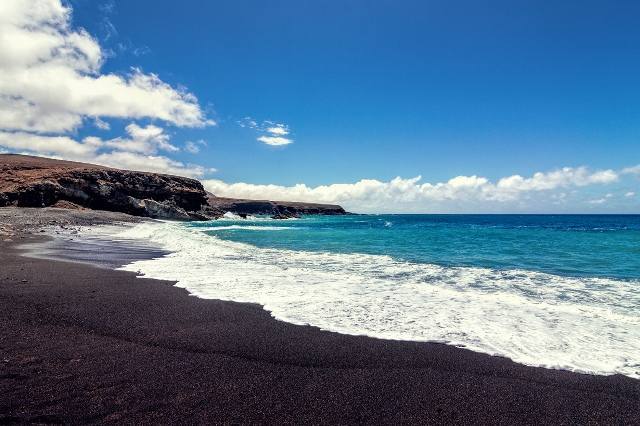
Ahuy is a small remote fishing village, as well as the eponymous beach, which is especially popular with exotic lovers. Ahuy hid from the vast world in a rocky area in a small bay.
Unlike other beaches, Ahuy is covered with black volcanic sand and fine gravel. This makes it interesting and memorable for tourists accustomed to white sand.
Corralejo: the most beautiful beach
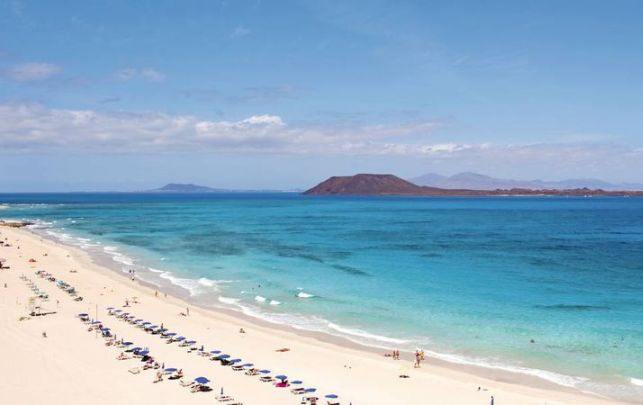
Corralejo Beach is characterized by white sand and azure blue waters. This is a popular place for filming commercials, movie episodes, and photo shoots for famous models.
Fuerteventura Airport
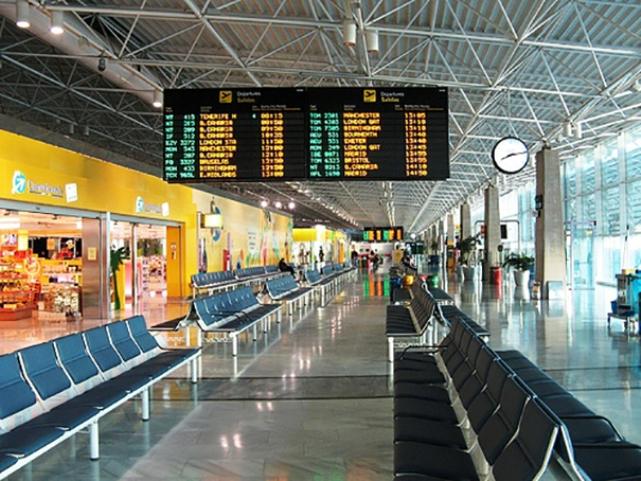
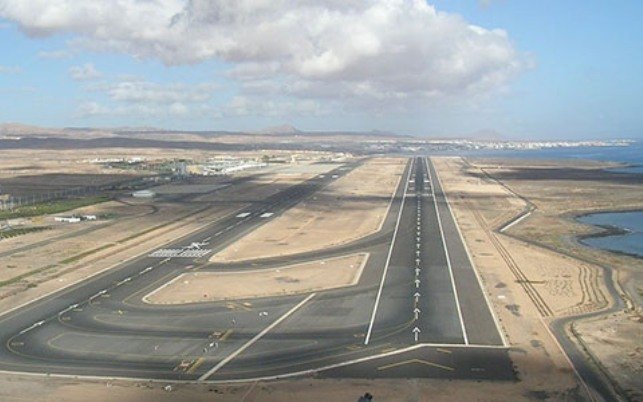
The island's only airport, 5 km north of the capital, Puerto del Rosario, connects Fuerteventura to other islands in the archipelago and the mainland.
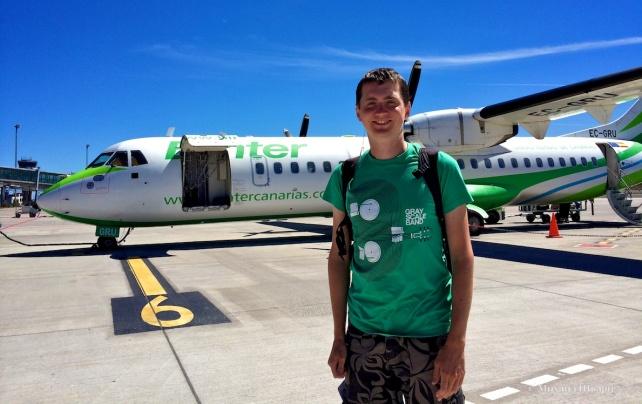
Fuerteventura Airport opened its doors to passengers on September 14, 1969. The first aircraft to land on the new runway was an Iberia Fokker F27, flying on the Las Palmas-Fuerteventura-Lanzarote route.
In 1994, construction of a new terminal began.
Today, Fuerteventura Airport receives 52 European airlines on a regular basis.
No serious incidents were reported at the terminal.
Read also: Gran Canaria Island: how to get there, holidays, beaches, attractions
How to get to Fuerteventura
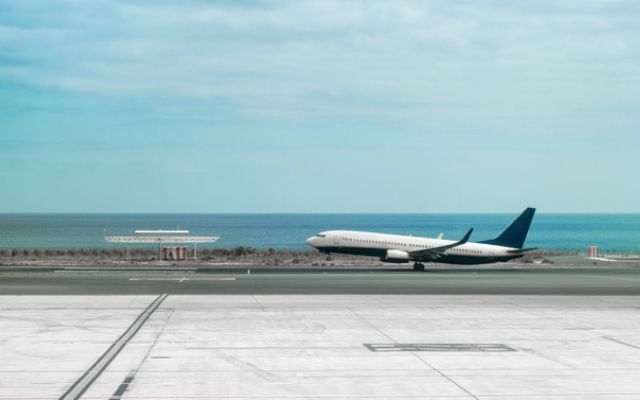
There are no direct flights from Russian cities to Fuerteventura. And they are unlikely to appear in the next few years. But there is a Moscow-Tenerife flight, as well as St. Petersburg-Tenerife.
Siberia Airlines (from Domodedovo Airport) regularly operates direct charter flights from Moscow to Tenerife.
The most convenient option is to fly to Tenerife and then move to Fuerteventura. You can get there by plane or by ferry. The ticket price category is approximately the same.
You can also consider a backup flight to Fuerteventura: from Moscow, get to Madrid or Barcelona, and then transfer to Fuerteventura.
Fuerteventura Ferries
There are excellent ferry services to all the islands of the Canary Archipelago.
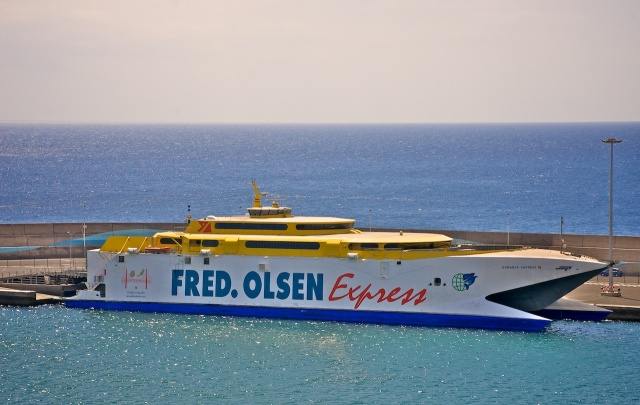
So, if you decide to take a ferry, take a look at the high-speed ferry that will take you from Tenerife to Fuerteventura with a transfer to Gran Canaria.
This route is just perfect for a romantic trip for two or a boat trip. Conventionally, such a journey can be divided into 3 stages:
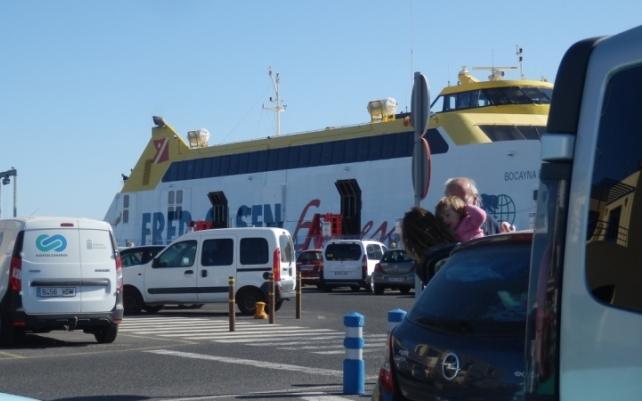
Tenerife – Gran Canaria (you'll get there in about 1 hour and 20 minutes)
It will take about 20 minutes to travel by bus to another port.
From Gran Canaria, a ferry takes you to Fuerteventura in about 2 hours.
Fuerteventura Attractions Corralejo
Natural Park
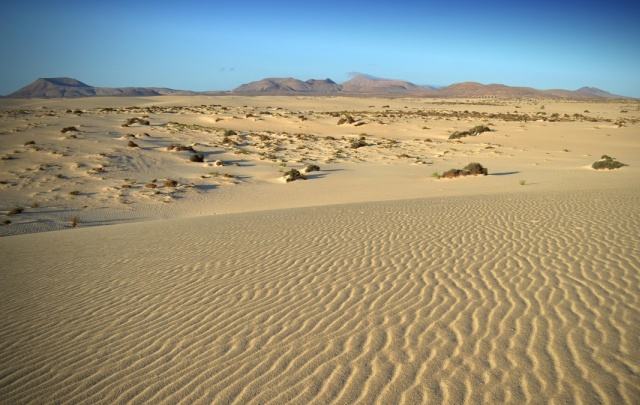
The island's main attraction is the unique sand dunes nature reserve. This amazing place attracts thousands of tourists who call it the local “Sahara”.
The landscape, untouched by civilization, has been strictly protected by the country's authorities since 1982: construction work of any kind is prohibited on this territory.
Oasis Park
Especially for young travelers, the island has the so-called Oasis Park, a place that resembles a jungle and a botanical garden at the same time.
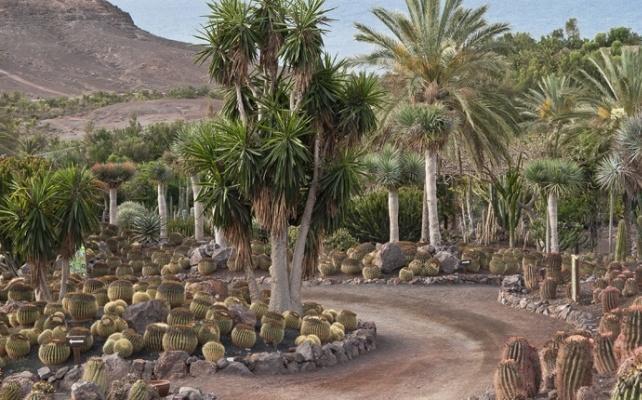
Located on an area of 800,000 square meters, the Oasis Park will also interest adults. Here you can meet wildlife from all continents and countries.
Huge reptiles, rare animals and birds are striking in their diversity.
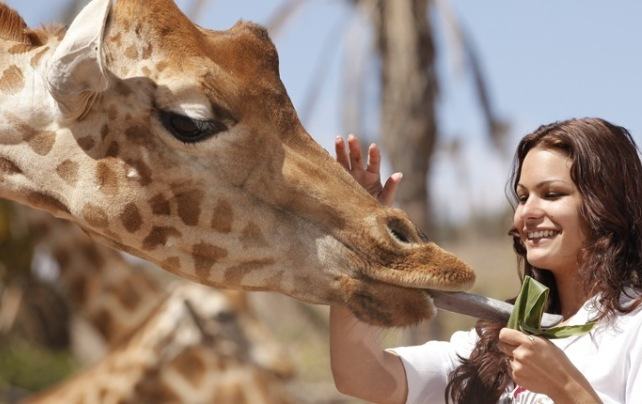
Here you'll feel like you're in a real wild savanna! Adults can ride camels, and children can watch interesting sea lion shows at the dolphinarium.
Betancuria Village
For a quieter entertainment option, head to the village of Betancuria. This is the old capital of Fuerteventura.
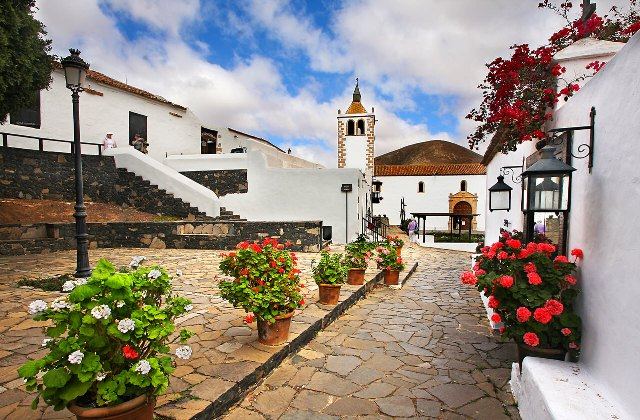
The traveler will see the ruins of the oldest monastery of St. Bonaventure. In addition, you can visit the Museum of Religious Art and the Archaeological Museum in Betancuria.
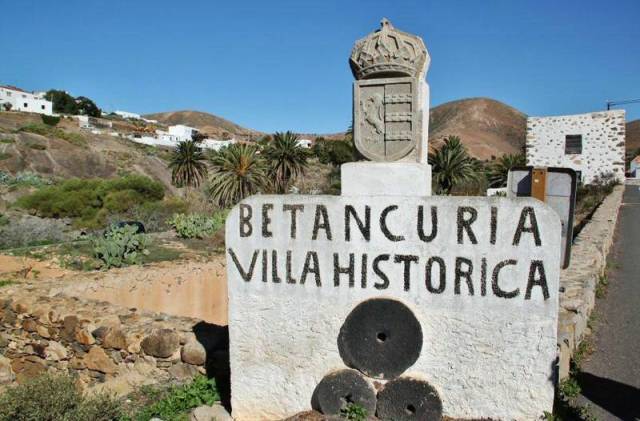
There is a small restaurant at the Santa Maria Church, which is located in the center of the village. Here, tourists will be offered to eat after a long tour.
Gustav Winter Villa
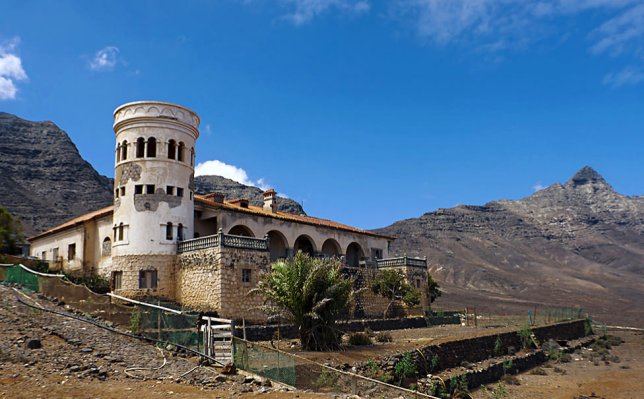
Villa Gustav Winter is one of Fuerteventura's most unusual man-made attractions.
Located on the Jandia peninsula, the estate is one of the most visited places on the island. It is not for its outstanding architecture and design that attracts tourists. The villa has a mysterious history. The mystery of Winter's estate is still unsolved.
The history of the villa begins in the late 30s and early 40s of the last century, when the land in the district was purchased by German merchant Gustav Winter.
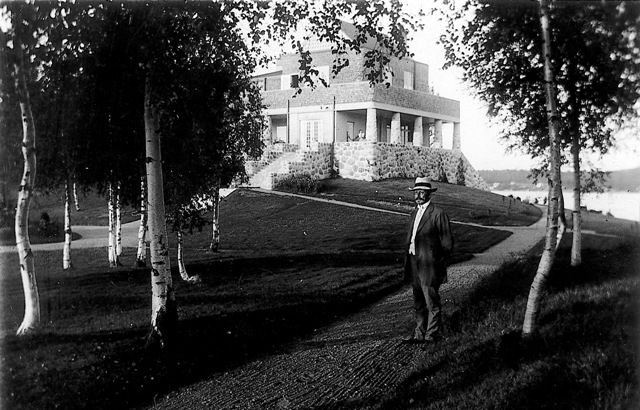
The industrialist built a structure whose walls resemble a medieval fortress. He fenced off the area, and 24-hour security heavily guarded the estate. All residents living in the vicinity have been evicted.
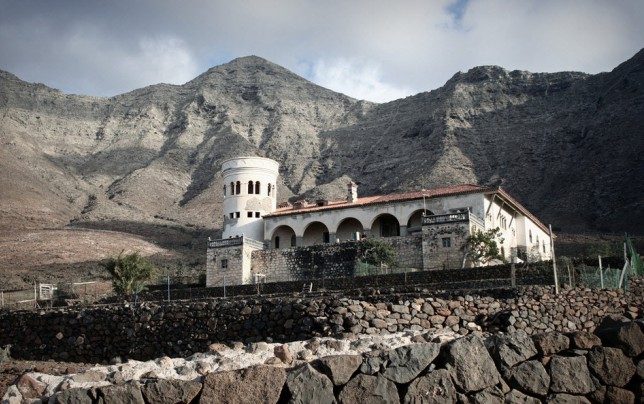
All the work that was carried out inside this closed area was carried out in full secrecy. It was forbidden to disseminate information regarding the purposes of the work being carried out. The estate workers were prisoners of a local concentration camp.
There are many rumors and legends about the purpose of the mysterious structure. However, there is no reliable data on what the work was carried out for.
After the end of World War II, all traces of the process that took place at the villa were carefully destroyed.
Today, the doors of Villa Winter are open to every tourist. You can freely visit and explore it, plunging into the mysterious atmosphere of the past.
Fuerteventura-Lanzarote
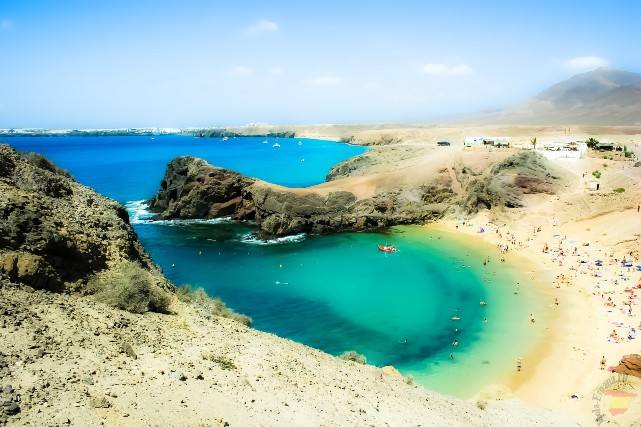
Lanzarote, the northernmost and easternmost island, is the fourth largest island in the Canary archipelago.
It is known as the “island of fire-breathing mountains”. And there's plenty to see here, too.
The main attractions of Lanzarote are Timanfaya National Park, Castillo de San Jose Castle, Cesar Manrique Cactus Park, El Golfo Volcanic Crater, Cueva de Los Verdes Cave .
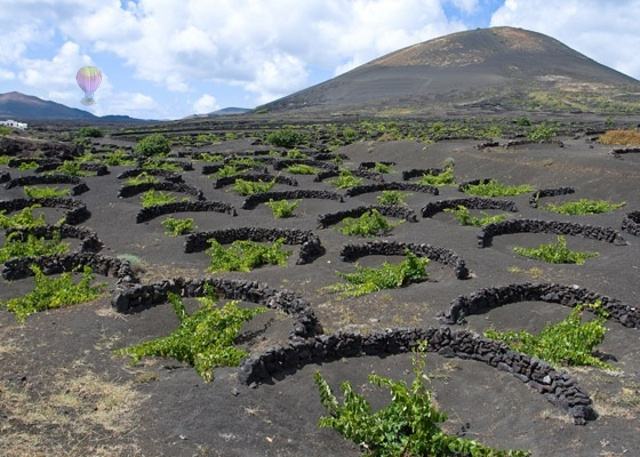
Although Fuerteventura Airport is only 59 kilometres from Lanzarote Airport, it is more convenient to take a ferry from one island to another.
High-speed ferries are quite frequent (about 7 trips a day).
A one-way ticket for one person costs about 27 euros.
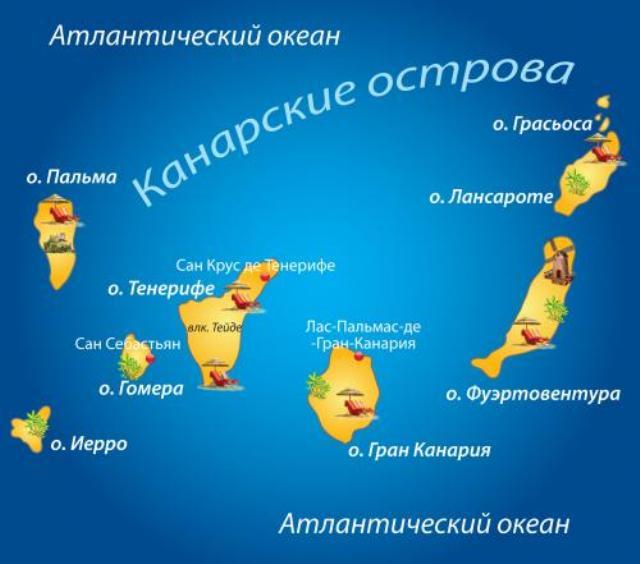
It only takes 25 minutes to get from Fuerteventura to Lanzarote. If you don't want to spend money on a taxi, you can also rent a car at the port for the time you need.
It is more convenient to travel from other islands in Lanzarote by plane.
Surfing in Fuerteventura
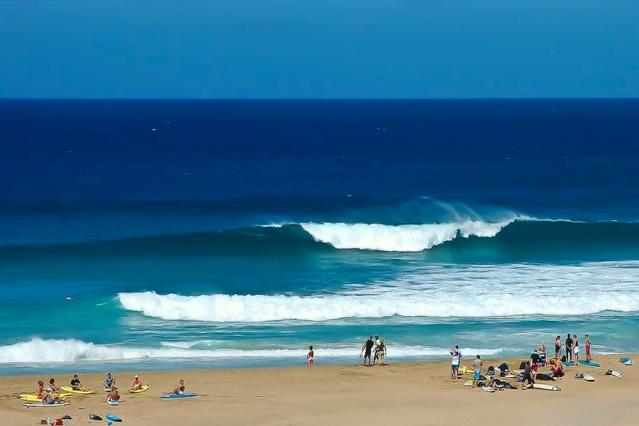
Although Fuerteventura is considered an island for lovers of peace and quiet, there is also entertainment for outdoor enthusiasts.
The island is under the influence of frequent winds, which raise coastal waves to quite impressive heights. This is what attracts surfers from all over the world.
Surfers have nicknamed this place European Hawaii for favorable weather conditions, high-quality wave and optimal water temperature. The Canary archipelago's long beaches are ideal for surfing all year round.
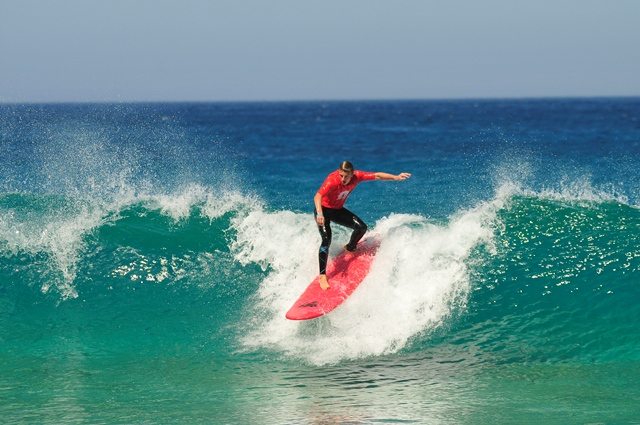
The island is home to a famous surf school. It is located in the northern part of the island in Corralejo.
Cars are available to take the athlete and coach to places with the highest waves.
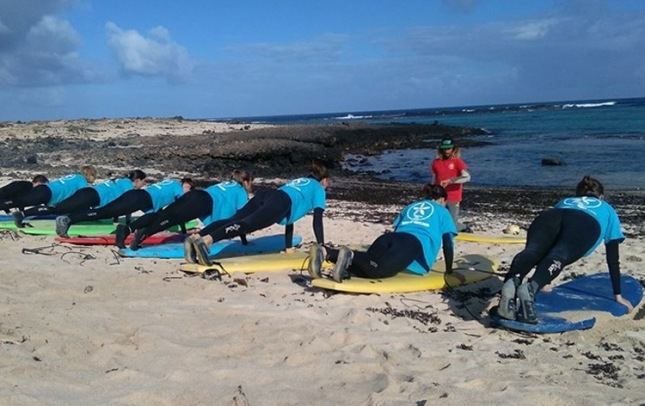
It is very convenient that the school has its own surf shop. Here you can buy everything you need for this sport. Here you will find a huge selection of boards, special equipment, and other surf accessories.
Interesting facts about Fuerteventura and the Canary Islands:
– The symbol of Fuerteventura is the goat. Goats are an integral part of the island landscape: the number of these animals here far exceeds the local population.

– Puerto del Rosario means Port of Roses in Spanish. However, until 1956, the town had a different name, Puerto de Cabras, which means Goat Port. In 1956, the city was renamed, considering this name dissonant and annoying for tourists.
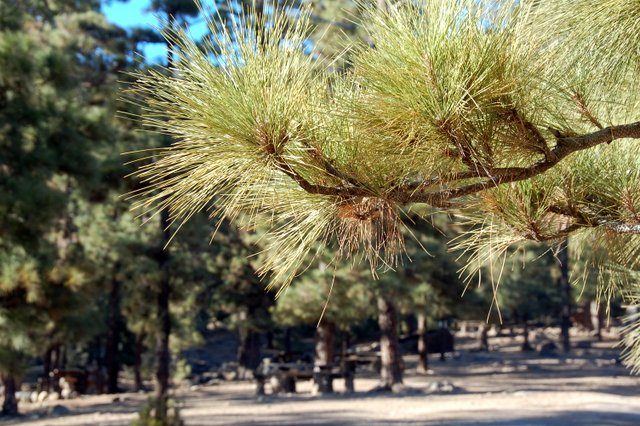
-Canary pine has an amazing resistance to fire, it can revive even after a fire. This plant, unique in its properties, can be found only in the Canary Islands.
– Initially, the well-known canaries, feathered natives of the same Canary Islands, were light green in color. The birds received a bright yellow tint as a result of human intervention.
– At the El diablo restaurant in Timanfaya National Park on Lanzarote, tourists can taste meat and vegetables roasted on an unusual grill.
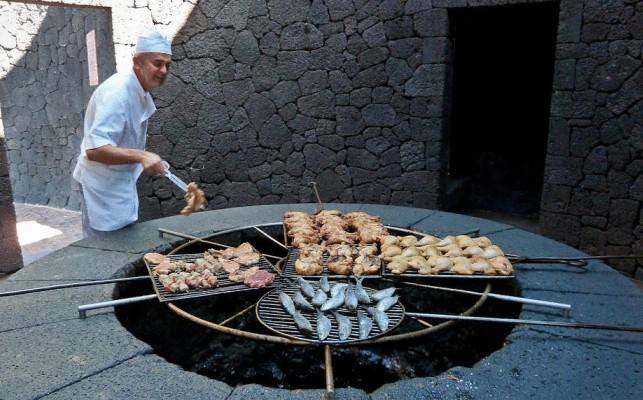
The restaurant's chefs prepare meals right on the volcano. The kitchen of this restaurant is located above the crevice of the volcano, and is equipped in such a way that volcanic heat can be used.