
 Unbelievable facts
Do you know that look on a dog's face with slightly raised eyebrows, a little sad and seemingly guilty eyes? Now, next time your dog looks at you like this, know you're being manipulated by 33,000 years of evolution.
In this article, we'll tell you how dogs' bodies have changed over the course of evolution and how dogs differ from wolves.
Dog's gaze
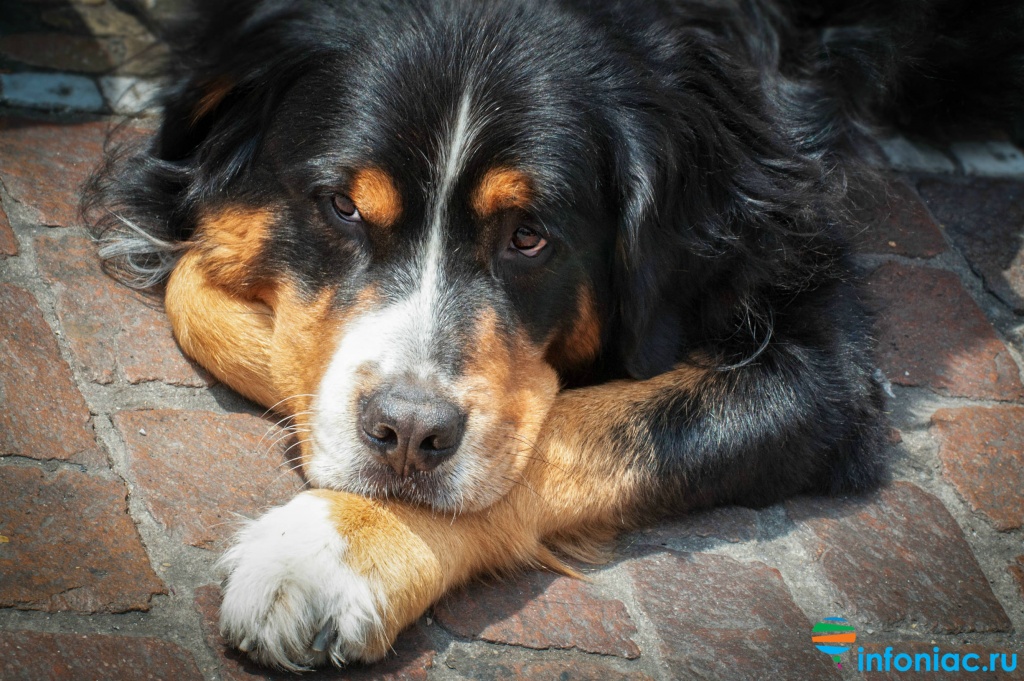
The conclusion that amazed researchers, which scientists came to during experiments and research: an expressive dog look, always accepted by humans as an expression of friendly love, is nothing more than a survival strategy.
Read also: How dogs improve their owners' health

The reason for this, according to scientists, lies in comparison with wolves, which followed a different path of evolution, while dogs began to adapt to living with humans since the Stone Age, when evolution has begun to change their genes, adjusting them to the rhythm of life closely related to humans.
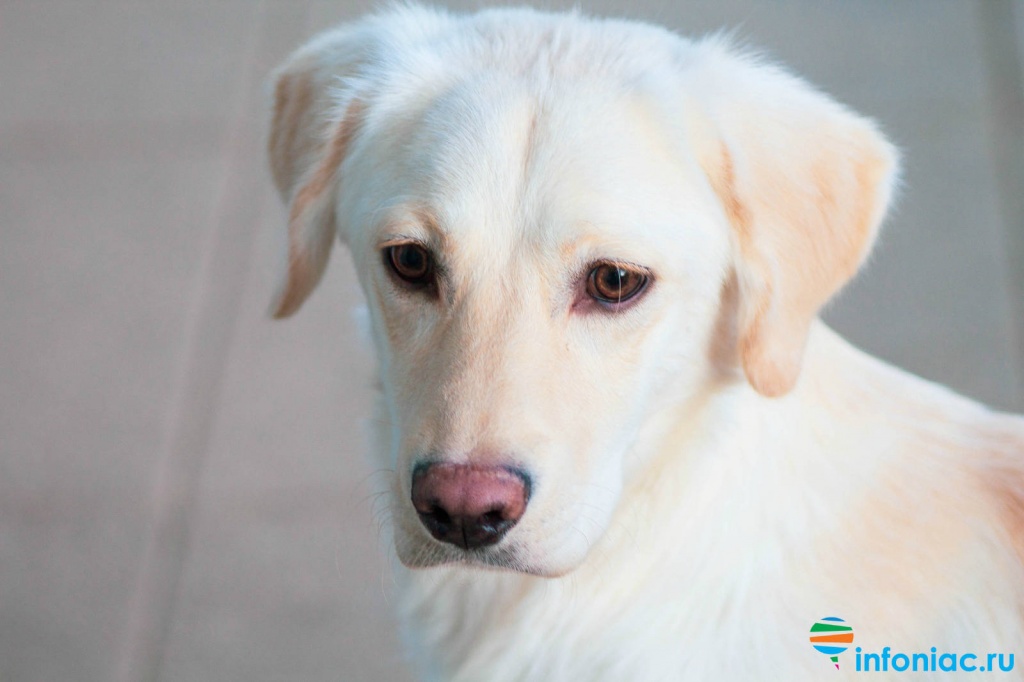
In their research, scientists have found that dogs have the ability to look at us so nicely and amicably, a muscle that wolves just don't have — LAOM (levator anguli oculi medialis). Anatomical analysis showed that these muscles, which wolves do not have, allow dogs to raise the inside of their eyebrows, making their eyes more expressive. This dramatic change in such a short period of time (by evolutionary standards) is due to the fact that people tend to choose puppies that can look at them with “big dog eyes”, which gives them selection advantage.
These studies complement previous studies carried out by scientists and have shown that such dog eyes make people want to protect, subconsciously reminding them of children.

Scientists have long been interested in communication between humans and animals — from horses and cats to dogs and chimpanzees. A 2015 study found that sharing views between humans and dogs leads to a hormonal response on both sides, similar to that of mother and child. Two years earlier, scientists had shown that rescue dogs are more likely to find an owner if they look at him with this expressive look. Surveys have also shown that people tend to prefer dogs with “childish” characteristics such as large foreheads and large eyes.
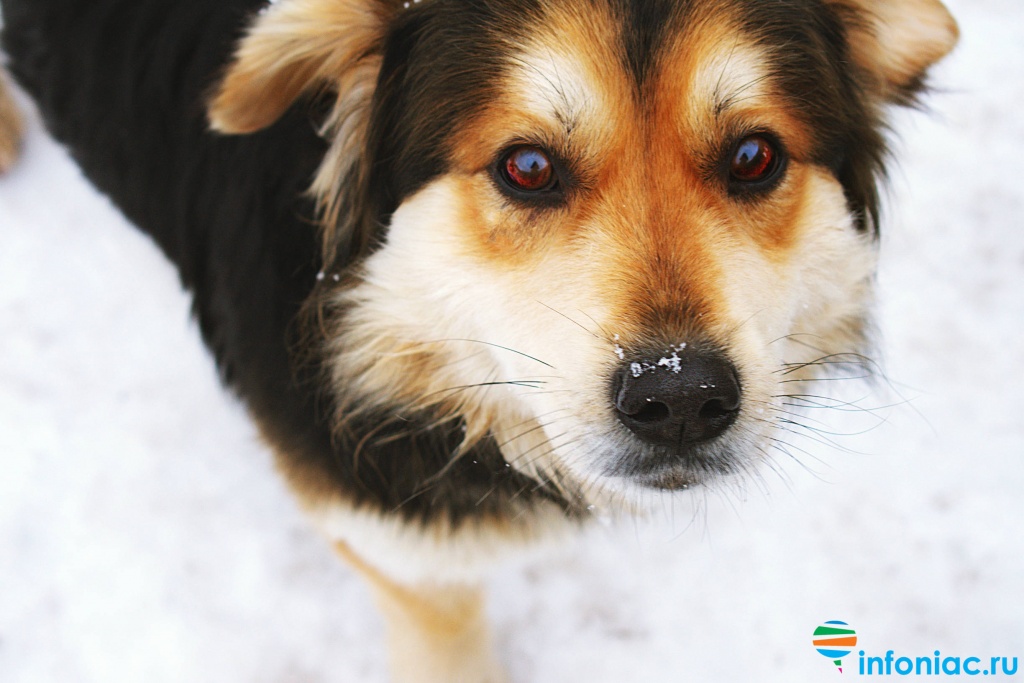
“LAOM muscles play an important role in human-dog communication because they not only make people want to protect, but also create the illusion of communication between the two species,” said Dr. Kaminsky.
Read also: The 6 best dog breeds for psychological help
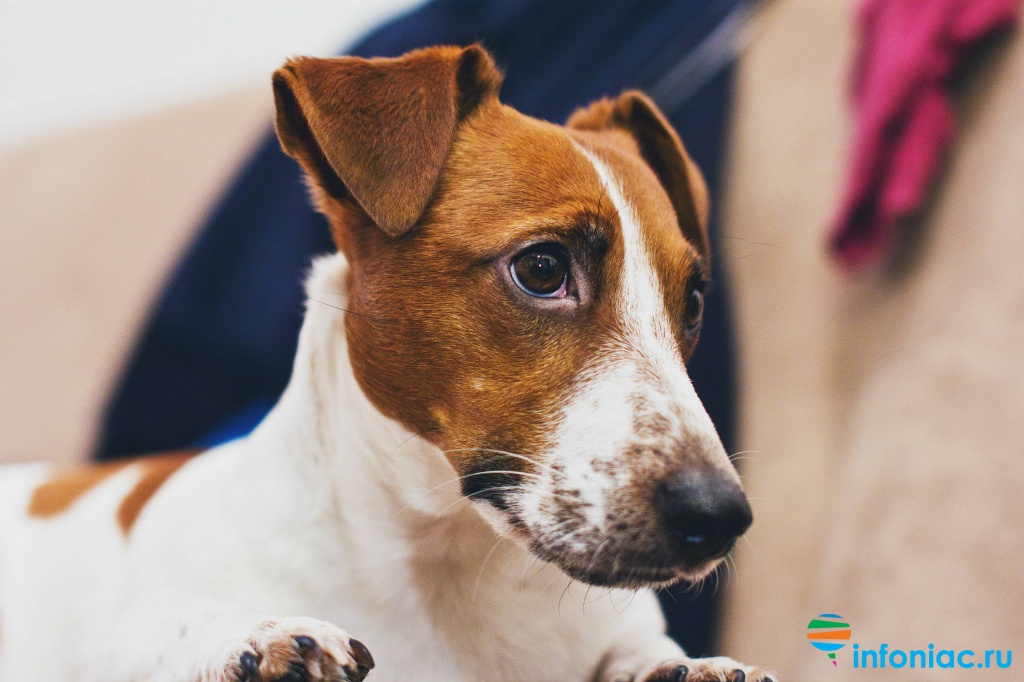
Communication with humans is an important factor in the evolution of dogs, just as communication with dogs has played an important role in people's lives. An interesting fact: Siberian Haxis, one of the oldest dog breeds, completely lack these muscles, bringing them physically and evolutionarily closer to wolves than dogs. Research on this topic is being carried out, but so far there are no final results.

What is the meaning of this canine view and what the dogs themselves think about these studies is not yet known to science.