
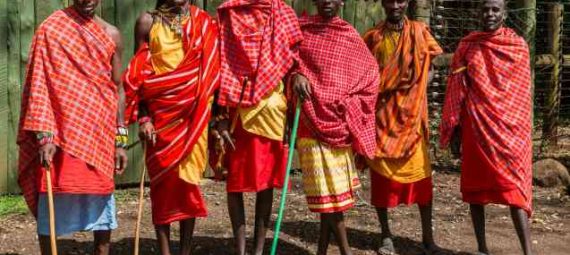
South Africa is home to many indigenous tribes with rich cultural traditions, some of which have been preserved for centuries. These tribes have distinct ways of life that reflect their deep connection to nature, community, and heritage. Here are 10 unique features of how the tribes of South Africa live.
1. Strong Community Bonds
In South African tribes, community is everything. Members of the tribe often live in close-knit villages where cooperation and mutual support are central to daily life. The extended family structure is highly valued, and elders play a significant role in guiding the younger generations.
2. Traditional Dwellings
Many tribes live in traditional homes made from local materials like mud, thatch, and wood. The Zulu, for example, are known for their beehive-shaped huts, which provide excellent insulation against the region’s hot climate. These homes are often simple but highly functional, reflecting the tribe’s deep connection to nature.
3. Cattle as a Status Symbol
For many South African tribes, cattle are more than just livestock—they are a symbol of wealth and status. Among the Zulu and Xhosa people, for instance, owning cattle is a sign of prosperity. Cows also play a significant role in traditional ceremonies and rituals, such as marriages and funerals.
4. Rites of Passage
Tribal life in South Africa is rich with rituals, especially those marking the transition from childhood to adulthood. Many tribes have initiation ceremonies for young boys and girls, where they learn the responsibilities of adulthood and undergo tests of endurance. These rites are essential to their cultural identity.
5. Traditional Clothing
Clothing among South African tribes often holds symbolic meaning. The Ndebele tribe is famous for their colorful beadwork and intricate designs, which are worn as a sign of cultural pride. Zulu warriors wear animal skins and shields during traditional ceremonies, and women in different tribes often wear distinct garments that reflect their marital status.
6. Spiritual Beliefs
Many tribes in South Africa have deep spiritual traditions, often centered around a belief in ancestral spirits. These ancestors are considered protectors of the tribe and are honored through rituals and offerings. Some tribes also practice animism, believing that plants, animals, and even objects possess spiritual significance.
7. Music and Dance
Music and dance are at the heart of tribal life in South Africa. Traditional drumming and chanting are commonly used during ceremonies, and many tribes have unique dance styles that are performed during celebrations or to honor the spirits. The Zulu are especially known for their energetic war dances, while the Xhosa people use music to tell stories and pass down history.
8. Unique Language and Oral Tradition
South Africa is home to a wide variety of tribal languages, many of which include fascinating click sounds. The Xhosa language, for example, is one of the most famous for its complex clicks. Oral tradition is highly important in tribal life, with stories, proverbs, and songs passed down from generation to generation to preserve history and culture.
9. Traditional Healing Practices
Traditional healers, or sangomas, play an essential role in many South African tribes. These healers are believed to have a spiritual connection that allows them to diagnose illnesses and provide remedies using medicinal plants. Their knowledge of herbal medicine is often passed down through generations, making them highly respected figures within the community.
10. Agriculture and Hunting
While some tribes have adopted modern agricultural practices, many still rely on traditional farming methods. Tribes like the Zulu and Tswana grow crops such as maize, sorghum, and beans, while also raising livestock. Hunting and gathering, though less common today, still play a role in providing food for some tribes, especially in more remote areas.
Conclusion
The tribes of South Africa offer a fascinating glimpse into a way of life that blends ancient traditions with modern influences. From their strong community ties and traditional healing practices to their vibrant clothing and ceremonies, these tribes have preserved unique aspects of their culture that continue to define their identity today.