
 Ecology
The southern smooth whale (Eubalaena australis) off the coast of Argentina may face a serious threat: it can be eaten alive by… birds. A whale risks his life every time he goes up to the surface to take a breath of air. The danger is so great that local authorities plan to open the hunting season for voracious gulls and allow hunters to solve the problem by killing predatory seabirds right in the air.
The terrible torment that awaits the whale may seem like punishing vindictive Greek gods from an ancient myth, or part of the plot of Edgar Poe's story. However, the real reason why seagulls began to feast on whale meat is due to the increasing amount of garbage. Piles of garbage are piling up around coastal cities, causing a huge increase in the number of seagulls. Fishermen “add fuel to the fire” even more by throwing tons of fishing industry waste into the ocean.
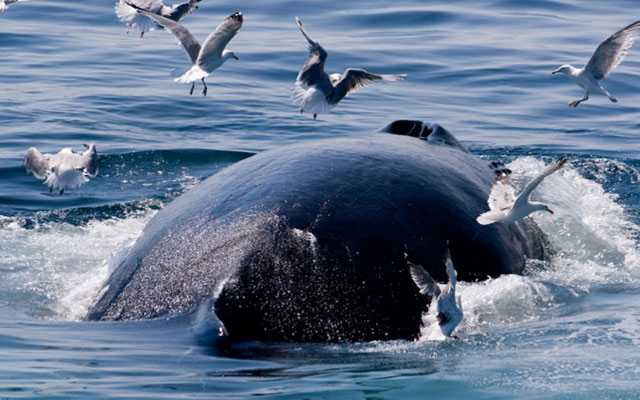
About 8 years ago, the growth of the seagull population around Puerto Madryn, Argentina, led these omnivorous birds to eat whale meat. The more gulls began to learn to catch whale meat for themselves, the greater the threat to the lives of marine mammals. Seagulls wait patiently for the whale to emerge from the depths of the ocean for air, and then begin to tear off pieces of skin and fat from it. Each time the whale shows its back on the surface, seagulls manage to tear off larger pieces. The damage to the animal is irreparable, especially to the youngest whales that are born in these waters.
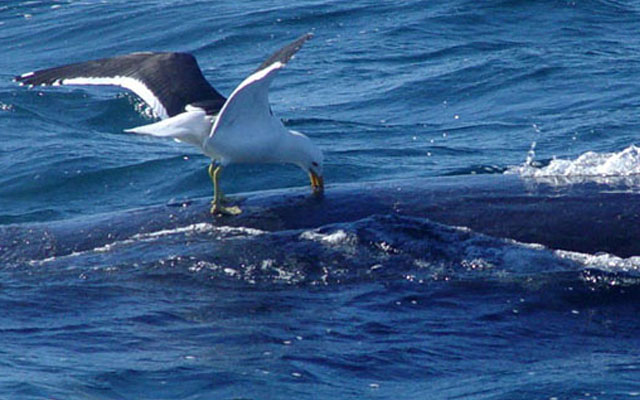
Whales should change their behavior, experts say. Now they don't jump high above the surface and don't show much of their tails. Instead, they expose part of their backs to breathe in the air, which is what seagulls need. Some conservationists believe that the only way to help whales is to shoot seagulls that are eager to eat whale meat. If you destroy the most cunning of them, perhaps other seagulls will not learn how to do it, they say.
The growth of seagull populations is just one of the symptoms of a “disease” called big city garbage. Reducing waste and recycling it correctly is the real solution to the problem. The smaller the seagull population, the less harm will be to whales. Argentine Minister of Ecology Eduardo Maza assures that garbage collection and processing plants will start operating in the area by the end of the year. “All garbage in the protected area of the Valdes Peninsula, which cannot be recycled, will be carefully collected and destroyed, so there will be no more landfill here,” he said. We can only hope so for now.