
 Unbelievable facts
Who doesn't want to live forever?
Scientists have found several ways we could use to try to fool death.
However, the question remains whether technological progress can make people almost immortal after all?
Over the past 100 years, the average life expectancy of people has increased significantly. This was achieved largely due to the fruits of our achievements in technology, science and medicine.
Using things like vaccinations, we've been able to eradicate life-threatening diseases like smallpox. But will we ever be able to change our way of life, or our bodies, to become immortal?
To do this, we need to address several major issues that make us grow old and die. Science has identified four key processes that make us age:
– Telomere contraction
– Chronological aging
– Oxidative stress
– Wistering.
If these processes can be stopped or eliminated altogether, we will be able to live forever. According to scientists, we will be able to witness significant achievements firsthand by 2050.
Here are 15 potential technologies and theories that could help us achieve eternal life. This list is far from exhaustive and has no special order.
How to live forever
Telomerase
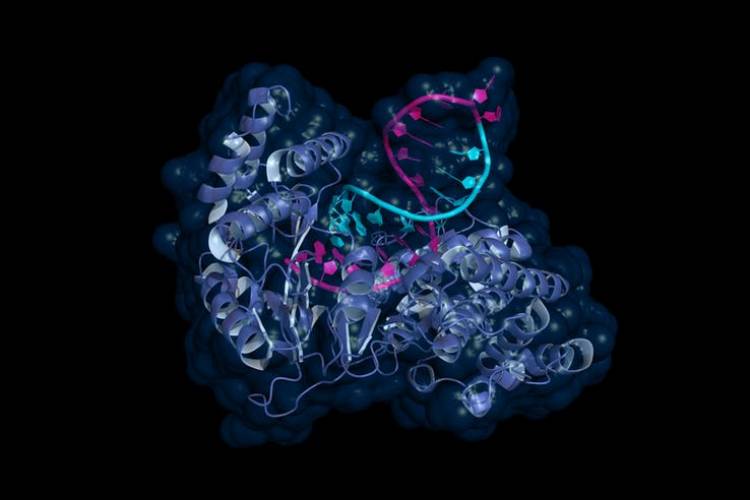
The condition of the human body is deteriorating and it is losing its stability. As a result, the skin loses its elasticity and bones become weak. This is because an enzyme known as telomerase wears out and gets damaged over time. If scientists can create telomerase, it could reverse the aging process.
Loading memory

What if the body slowly turns to dust? A technique called brain emulation will allow your “I” to boot into a computer where you can maintain your identity.
Nanotechnologies
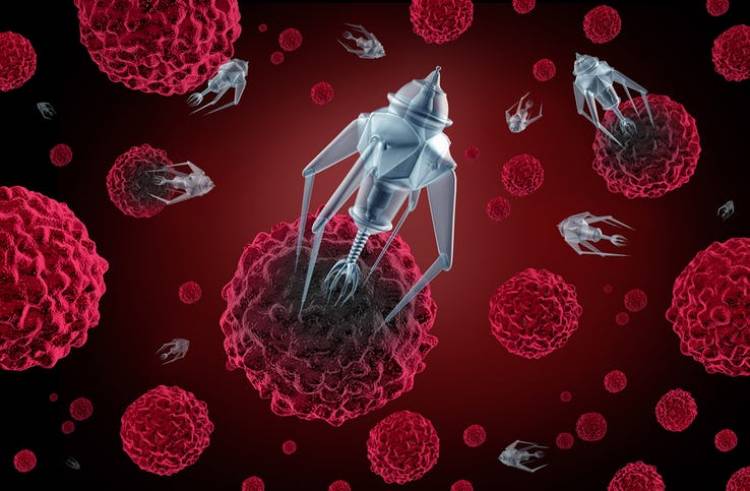
Although the technology is still in its infancy. However, when used properly, it can replace damaged tissues and cells. Researchers at the Massachusetts Institute of Technology have already successfully used nanoparticles to kill tumors in mice. Why not try doing the same for people?
Cloning body parts
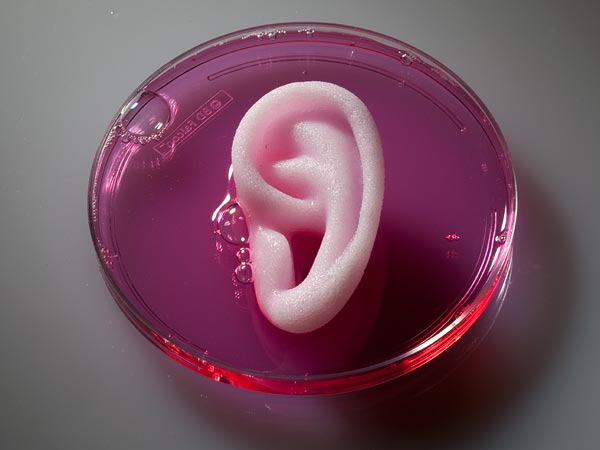
Losing a limb can drastically change someone's life. But what if people could invent a way to regrow a limb? Scientists have already proven that it is now possible to clone stem cells from human skin to “grow” new skin.
Eternal life
Cultivation of human organs
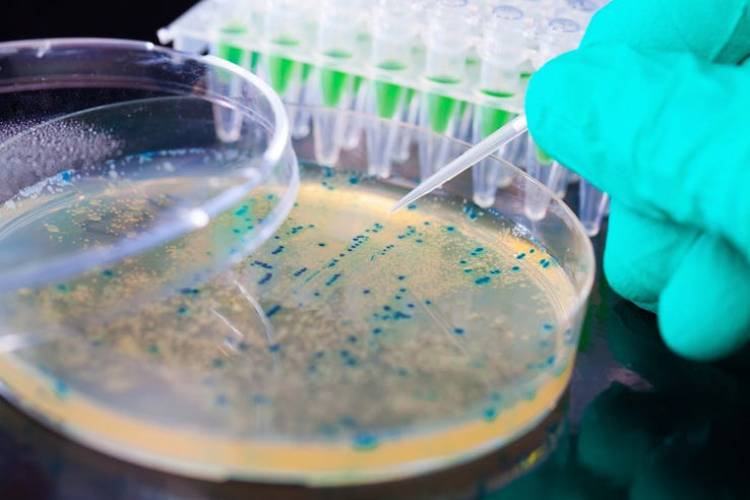
It's similar to cloning, but it's different from it. Today, there are 3D printers that can “print” specific body parts for those who need them. In the near future, it is highly likely that it will be possible to grow almost any human organ.
Cybernetics

These are mechanical replacements for some parts of the body. Today we know about prostheses that replace limbs, and these prostheses are becoming more advanced every year. In the future, some will be able to use cybernetic mechanisms not only to replace a particular part of the body, but also to improve their bodies. The arms will be able to become stronger, the legs will be faster, and so on.
Use of young blood
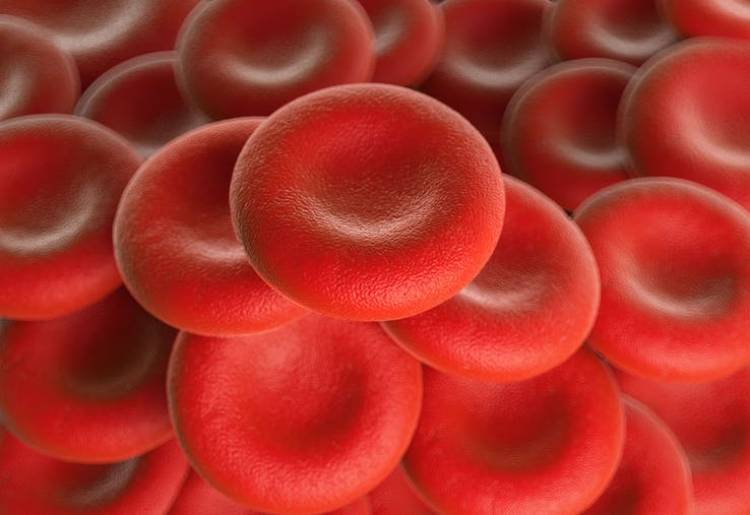
One experiment showed that mice that received blood from young individuals experienced a surge in brain activity. Cell growth was recorded in the part of the brain responsible for memory and learning. However, scientists have not yet found such an effect on the human brain.
Revealing DNA secrets
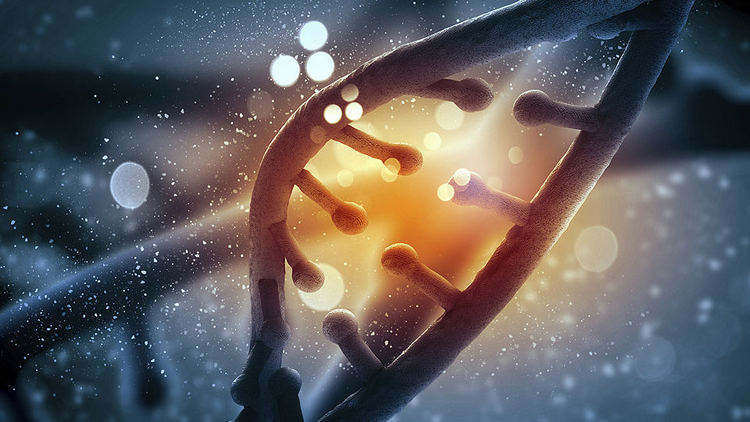
Today, biotech companies like 23andMe already exist that provide private customers with information about their susceptibility to a particular disease. The laboratory studies biomaterial that the client himself transfers to the company, which in turn tries to identify a person's predisposition to certain diseases. New technologies are unlocking new DNA secrets, allowing people to better understand themselves and take appropriate action. Moreover, such technologies can be used at home.
Cryogenics
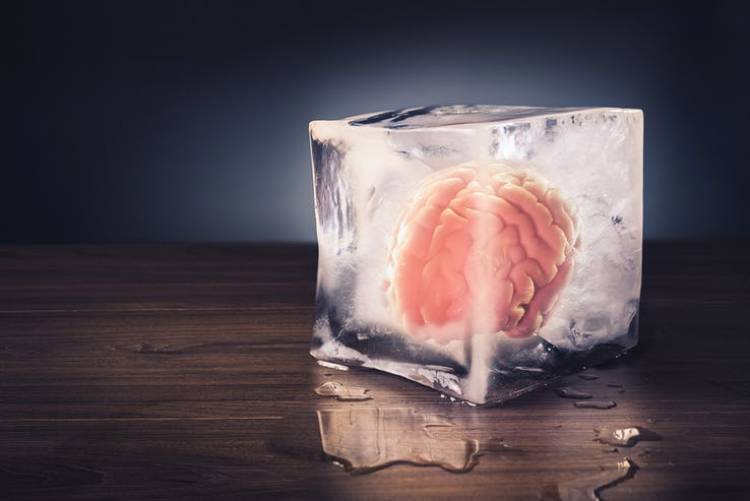
The idea of freezing the human body has been around for many years, but so far no one has been able to come up with a safe way to defrost a person that will not cause serious damage to the body and organs. But even if such a method is invented, it is likely that only very wealthy people will be able to use it.
Virtual reality

What if we could simulate a computer world containing all our downloaded memories? What if we create simulations that can go on for millions of years? Using cloud computing will make this a reality.
Humans and artificial intelligence
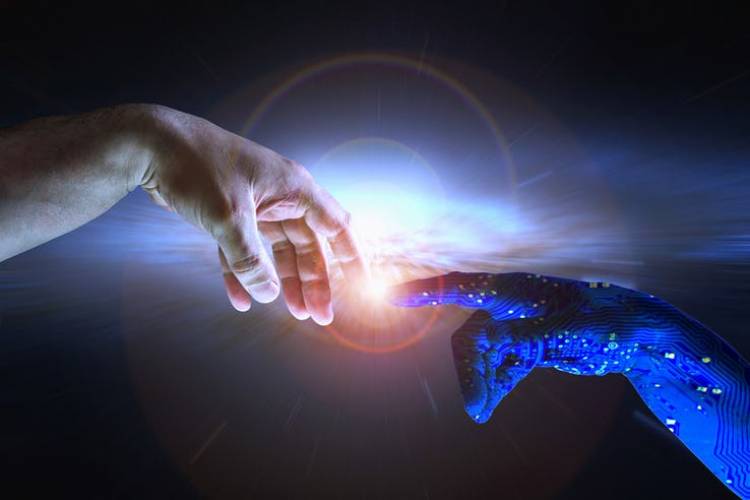
Artificial intelligence technology is developing rapidly. There will come a time when people will be able to download data from computers directly into themselves. This will allow them to develop very quickly, become smarter, and the line between artificial intelligence and humans will begin to blur.
Space travel

Most scientists agree that Earth is susceptible to asteroid impacts and that it is very fragile in brutal space. But what if we could pack our bags and migrate to another planet in search of shelter?
Genetically engineered humans

Creating genetically engineered “perfect” humans is a concept that was explored in Kazuo Ishuguro's “Don't Let Me Go” novel. The novel talks about the dark side of genetic engineering, but this concept is still very interesting.
Gene therapy
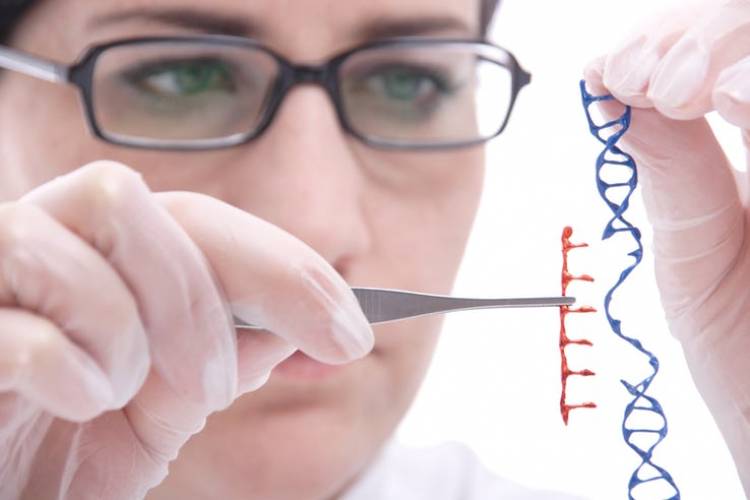
Simply put, gene therapy is when you replace defective genes with normal ones. For example, scientists are trying to combine human skin cells with protein from spider webs to create something similar to bulletproof vests.
Molecular manipulation
This method can add 4 centuries to our lives. Researchers have been able to extend the lifespan of some worms by manipulating molecules that affect insulin and other substances. If they can replicate the same thing in humans, they might be able to extend a person's lifespan to 500 years. Scientists are currently studying this area in detail and can already boast some very interesting results.