 Health
It is known that music is food for love, but recently it has been revealed that it can really work wonders: it turns out that music can stimulate the fertilization of eggs during IVF procedures.
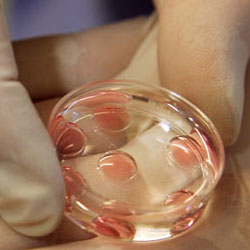
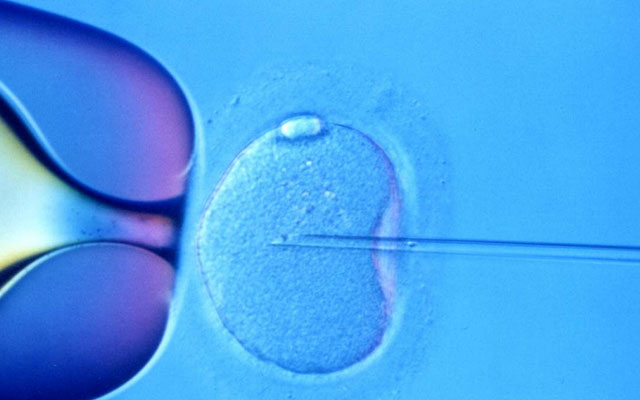
Playing a piece of music for an egg in vitro, which must be artificially fertilized, increases the chances of fertilization by 5 percent, studies have shown.
Spanish scientists believe that the tiny vibrations that music gives have a positive effect on the process. These vibrations are likely to stimulate the entry of nutrients into the egg and accelerate the release of toxins, which improves the chances of fertilization and increases the survival rate of embryos.
While adults are usually quite picky about their choice of music, embryos are not particularly capricious. Pop, classical or heavy metal make no difference to them.
The wonders of artificial insemination
Scientists at the Infertility Clinic at the Marc Institute in Barcelona have fertilized about 1,000 eggs with sperm in special laboratory incubators. They then installed an iPod in half of the incubators and played various songs, including modern pop music by Michael Jackson and Madonna, rock by Nirvana and Metallica, and also classical works by Bach, Mozart and Vivaldi.
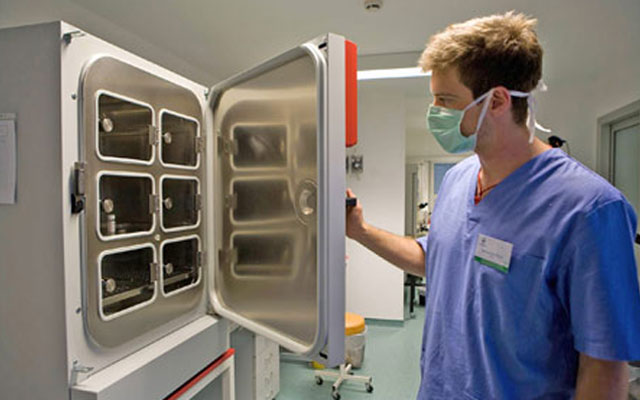
After checking all the tubes, it turned out that the fertilization rate was higher in incubators where music was played. While working in the laboratory, scientists tried to mimic the conditions that exist in the human womb in terms of light and temperature. Before that, light modes had already been studied, but no one paid attention to the sounds.
10 amazing properties of music
Embryos are unable to hear until 14 weeks of development, so they did not hear music, but could well feel the vibrations that music produces when they sound.
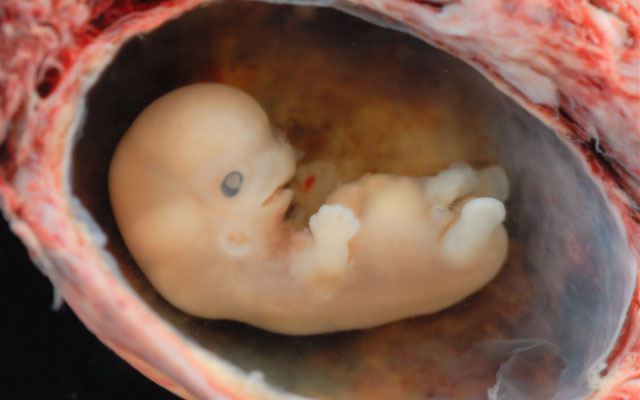
The embryos obtained through IVF float in their own juices, while those produced naturally travel through the fallopian tubes, swaying and rotating on their way to the uterus. This means that embryos are constantly on the move, which can have a positive effect on them, especially helping them get rid of toxic substances.
Scientists cloned a human embryo for the first time
The vibrations that music produces can mimic these movements. Scientists believe that cheerful techno music is best suited for fertilization.
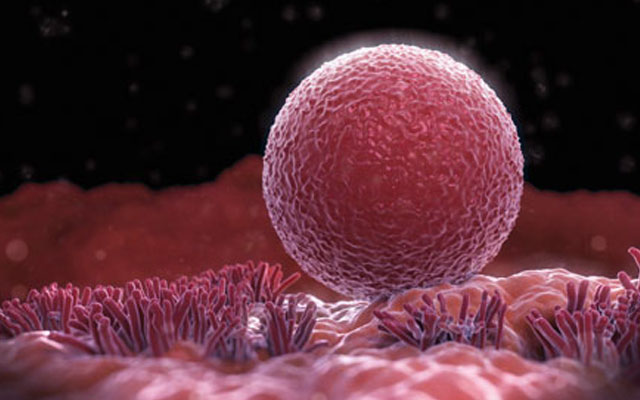
Interesting facts about in vitro fertilization
1) Experiments on artificial insemination, or, as it is called today, in vitro fertilization, began at the end of the 17th century, but the British managed to achieve real results only in the 20th century.
A woman gave birth to a baby from an embryo frozen 20 years ago
The world's first pregnancy due to artificial insemination took place in 1973, but a real baby conceived through IVF was not born until 1978. It was Louise Brown, a girl who was completely healthy and was later able to give birth naturally.
2) The sex of the child cannot be chosen during artificial insemination. Although embryologists are well aware of which chromosome the sperm involved in fertilization carries, it is forbidden to select embryos by gender.
How to determine the sex of an unborn child?
If parents suffer from some genetic diseases that are transmitted through the female or male lines, then they prefer one sex or another.

3) The IVF procedure can be used by older women. For example, Carmen Bouzada, a woman from Spain, decided to undergo artificial insemination and have children at the age of 67! However, the legal limit is 55, but Carmen was so convincing that doctors believed she was actually 55.

4) The number of IVF attempts is not infinite, but pregnancy may not occur immediately. It is known that some persistent women have tried to get pregnant this way more than 40 times! However, doctors usually need 5-6 attempts, after which couples are advised to choose adoption or surrogacy, use donor eggs or sperm.
Embryo adoption: ethical?
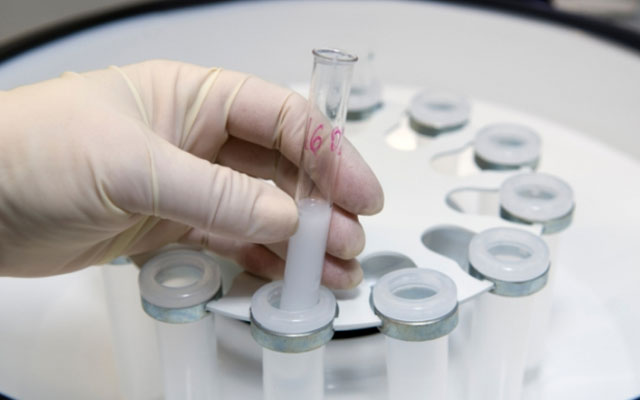
5) During the artificial insemination process, embryos are fertilized outside the human body, then the embryos are transplanted into the woman's uterus. However, subsequent uterine contractions can compress embryos and send them to the tubes, where they begin to develop, leading to an ectopic pregnancy.
The percentage of ectopic pregnancy during artificial insemination is quite high — 2-5%. Scientists cannot answer exactly why this happens.

6) Currently, most IVF fertility centers perform ultrasound procedures. This allows the embryos to be placed in the right place in the uterine cavity. However, even ultrasound scanning does not reduce the risk of ectopic pregnancy during IVF.
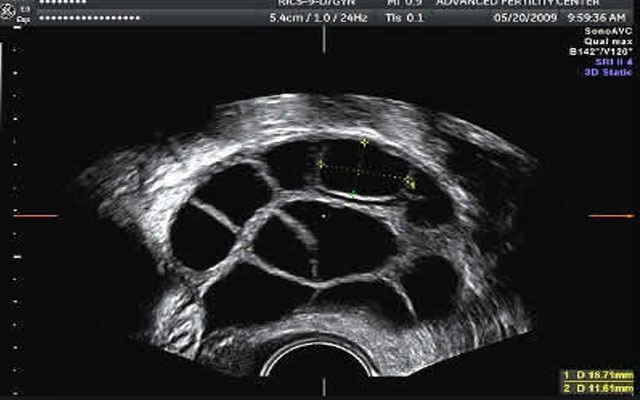
7) In Britain, after research, it was found that artificial fertilization is best done in spring or summer, when women experience hormonal changes in the body, having a positive effect on ovarian function. Researchers believe that long days and short nights are to blame.
8) Some women who undergo IVF without success can then become pregnant naturally.
9) By 2012, the number of children who were conceived in vitro was already about 5 million. More than 25,000 IVF procedures are performed in Russia every year.
“Test tube babies” — there are already 5 million of them!
10) Today, in Russia, by law, it is possible to undergo IVF for free, although some time ago this procedure was very expensive, and only fairly wealthy couples could conceive a child in vitro.