
 Health
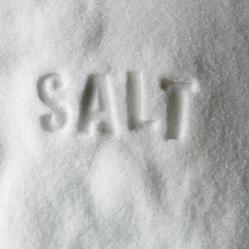
Do you want to save several million people from dying prematurely? Regulate the amount of salt you eat, experts say at the 2012 World Nutrition Meeting in Rio.
“Salt added to food is the leading cause of high blood pressure, which in turn is the leading cause of death worldwide,” says Graham MacGregor. Specialist in cardiovascular medicine at Queen Mary University of London. “There is more than enough evidence of this fact, which puts this cause of death on a par with smoking.”
Salt, or sodium chloride, is essential for maintaining human health, but we need to get no more than 350 milligrams a day. This is about half the weight of one zest. Most Europeans and Americans consume 3,500 milligrams of salt per day.
Moreover, we get most of the salt not from the salt shaker, but from processed products, in quantities that many consumers cannot even imagine. A bag of potato chips is one of the biggest culprits, with more than 250 milligrams of salt per serving. However, the same portion is found in one piece of store-bought bread or a bowl of breakfast cereal. The largest amounts of salt are found in canned vegetables, processed soups and frozen dinners, namely, each containing more than 1,000 milligrams of salt.
The largest amount of salt is found in food that is cooked outside the home, in particular, in fast food, it can be more than 2,000 milligrams per meal. Reducing daily salt intake by 2,000 milligrams at the population level could prevent 1250,000 deaths from strokes and almost 3 million deaths from cardiovascular diseases every year. Such data were presented in the British Medical Journal in 2009.
“However, it's not just about consumer education,” McGregor and other experts say at a special meeting on salt consumption. They say that the countries' food industries should also intensify efforts to gradually reduce the salt content in food products, which will occur either on the basis of voluntarily adopted agreements, or through government regulation.
McGregor himself is in favor of voluntary agreements, because industry has little incentive to act. “Salt makes cheap and tasteless food taste better,” he says. In addition, salt is a powerful thirst provoker, which helps increase sales of soft drinks. McGregor emphasizes that it is necessary to gradually reduce salt intake, because people are very accustomed to it and have become less sensitive due to “chronic” effects. That is why humanity's slow disposal of salt can be almost painless and imperceptible.
Even minor reductions in salt intake can yield significant benefits. This is because a huge number of people are at high risk of developing high blood pressure, so, of course, reducing salt intake can significantly reduce this risk. Many people already suffer from very high blood pressure and have to rely only on expensive medications to survive.
In many countries, there are educational programs that raise people's awareness of the dangers of high salt content in foods, and such programs talk about the necessary measures, what should be done to reduce risks. But still, this is just a drop in the bucket, because state intervention is absolutely necessary, because without government regulation it will not be possible to solve the problem.