
 Ecology
The National Oceanic and Atmospheric Administration (NOAA) proposes to remove eastern sea lions that live along the west coast of Alaska and California from the Red List, as Over the past few years, they have been able to restore their population to normal levels, biologists said.
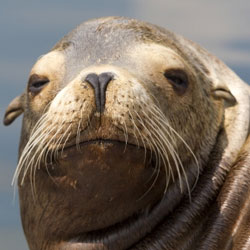
The eastern population of sea lions (Eumetopias jubatus), which lives from Alaska to the Channel Islands off the coast of California, is still on the list of animals that is in danger of extinction.
Sea lions are the largest members of the long-eared seal family, which were first included in the Red Book in 1990 due to a very sharp decline in their population. They were exterminated because they believed that these animals were encroaching on fish caught by humans. Educational and information campaigns have helped to stop shooting sea lions.
In 1997, sea lions numbered about 34,000 individuals in the wild, but according to 2010 data, their population doubled and reached 70,000 animals.
Scientists believe that the sea lion population has increased by an average of 4.3 percent since 1970 due to the fact that they have ceased to be exterminated, people have become more careful with them, many laws have appeared, conservation animals, as well as researchers, have become better at assessing populations.
However, sea lions continue to suffer from the huge amount of garbage in the oceans.
NOAA began assessing sea lions in June 2010 and soon received petitions from Washington and Oregon, as well as Alaska, to exclude eastern sea lions from the Red Book, since their population has fully recovered.
Another group of sea lions, called western, lives on the Pacific coast of Russia — Kamchatka, the Kuril Islands and the Sea of Okhotsk. This sea lion population will still be protected.