
 Health
Watch the video, If you are too lazy to read
Watch the video, If you are too lazy to read
Speaking about intestinal infection, we should start with the fact that this is not one, but a whole group of infectious diseases provoked by pathogens. Despite various causes, intestinal infections are characterized by damage to the digestive tract, an acute toxic reaction, and dehydration.
Intestinal infections are diagnosed in children 3 times more often than in adults, and they are much more severe in childhood.
According to WHO statistics, every year around the world, intestinal infections kill about 2 million children under 5 years of age. And the reason for this is dehydration due to late access to qualified medical care and self-medication!
Let's consider the common symptoms of intestinal infections and the algorithm of actions when they are detected, which will help alleviate the child's condition and avoid serious consequences, including:
dehydration and severe intoxication, which can be fatal,
pneumonia,
acute renal failure.
Increased temperature in case of intestinal infection
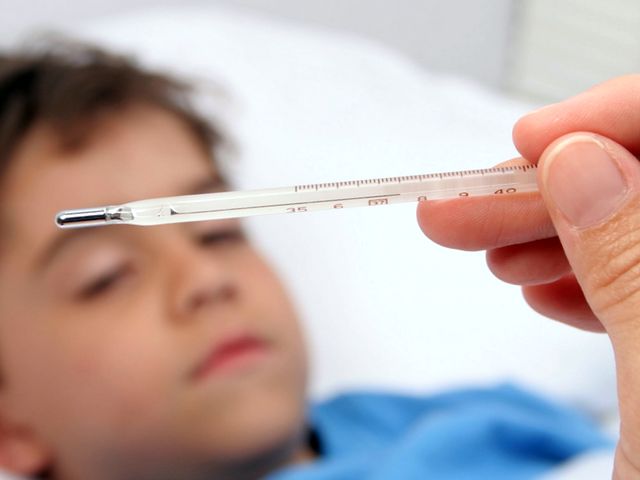
The first symptom of an intestinal infection is an increase in body temperature.
At the same time, the thermometer can show both subfebrile numbers (37.1-38.0° C) and reach 41° C (it all depends on the type of pathogen, its amount in the body and the child's immunity).
An important feature is that the body temperature in case of intestinal infection is often unchanged from the moment of increase and until the baby's condition stabilizes.
But a sharp rise in temperature is a sign that the infection is proceeding with complications!
Body aches in case of intestinal infection

At high temperatures, children may complain that their arms and legs hurt, but they cannot specify exactly where they are “twisting”, since the pain is diffuse. This is how body aches appear.
Read also: Bloating, belching and intestinal gas: how to avoid unpleasant symptoms
Diarrhea (diarrhea) in case of intestinal infection
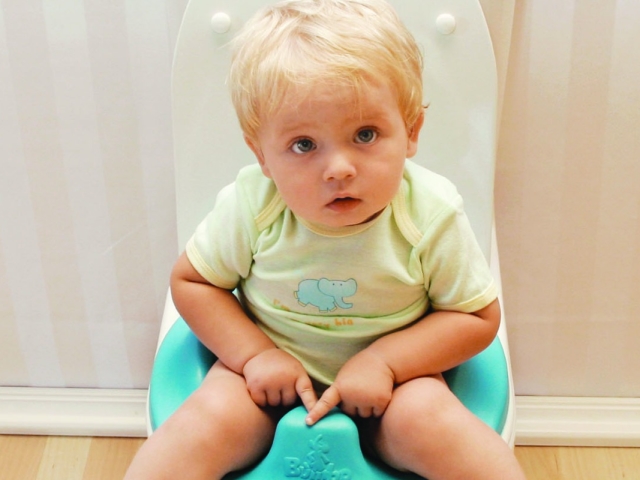
One of the main manifestations of any intestinal infection is diarrhea.
However, stool disorder is quite common in children, you may object! And this is true. BUT!
In case of intestinal infection, the stool is frequent (4 to 10 or more times a day), liquid and abundant. At the same time, the feces are frothy and may have an admixture of mucus and blood.
It is also important that after the act of defecation, the child does not feel relief.
Vomiting in case of intestinal infection
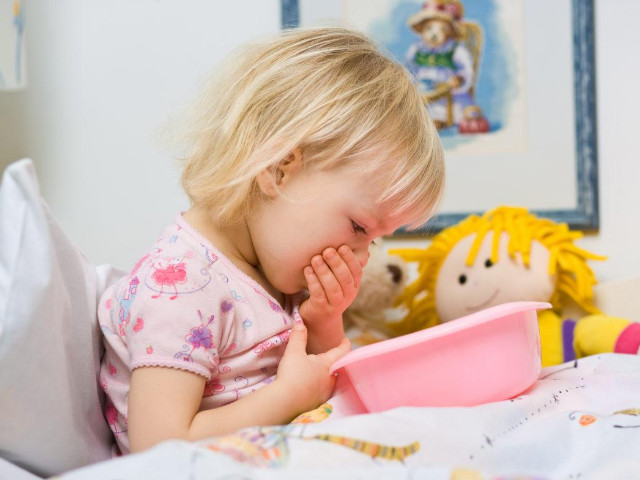
In most cases, vomiting is associated with intestinal infections, although sometimes it may be absent.
It is through vomiting and diarrhea that the body gets rid of harmful toxins.
Vomiting can be single or repeated. It occurs immediately after eating or drinking water.
If the child refuses to eat, he will vomit with water or bile.
Decreased appetite and nausea in case of intestinal infection
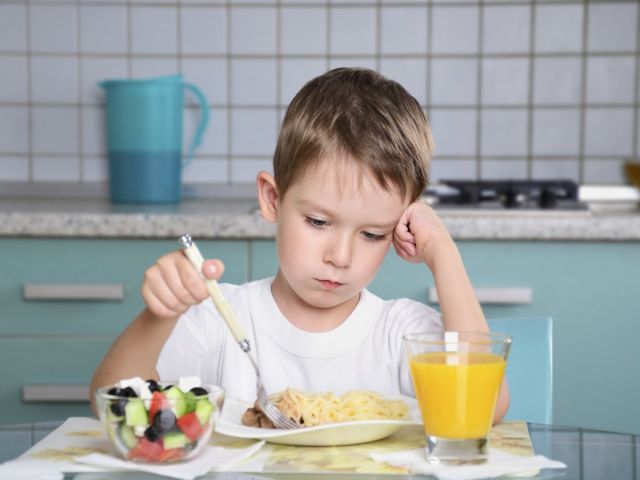
Against the background of intoxication, the child may experience nausea and loss of appetite (up to complete refusal to eat).
Headache in case of intestinal infection

High fever, combined with general intoxication, leads to headaches that can be localized both in the occipital and temporal parts of the head (and can hurt both temples at the same time, and the right or left temporal zones).
A headache that worsens when overexerted can cause a child to experience nausea and even vomiting.
The child becomes irritable, capricious and whiny, and he will lose interest in his favorite toys and activities.
Read also: Top 10 microbes on your smartphone
Muscle weakness in intestinal infections

Another symptom of intestinal infection is muscle weakness due to inflammation of muscle fibers.
A child may refuse to move independently, complaining that it is difficult for him to walk, his legs are swollen, and he has severe weakness in his arms. In severe cases, it is difficult for a baby to even turn his head.
Abdominal pain due to intestinal infection
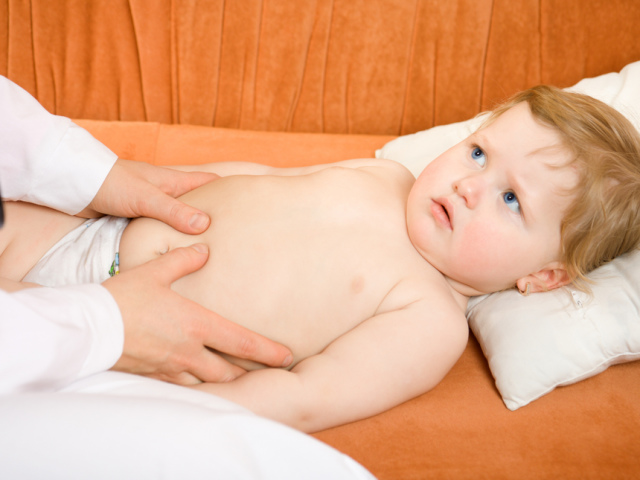
Pain in the abdomen is common in intestinal infections.
The stomach, lower abdomen and periumbilical zone may hurt. The pain may be constant and aching, or it may be cramping and acute.
Skin and mucous membranes in case of intestinal infection

In intestinal infections, dehydration in children develops very quickly, which affects the condition of the skin and mucous membranes.
Thus, the baby's pink and smooth skin becomes dry and pale.
The mucous membranes also react with dryness to the lack of fluid in the body: the lips and tongue become dry and cracked, while the child is constantly thirsty and complains that he is “dry” in the mouth.”
Help with intestinal infections
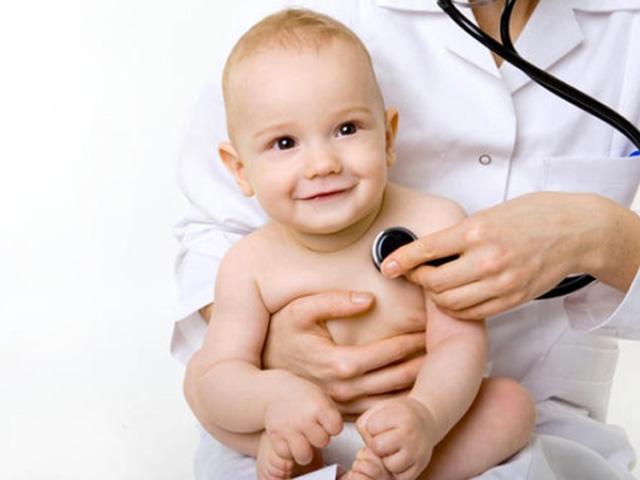
Doctors say that 90% of cases of intestinal infection can be dealt with at home under the strict guidance of a doctor. To do this, you must follow certain rules.
Rule #1. Drinking plenty of water
The main task of parents and doctors in case of intestinal infections is to prevent dehydration.
The child should be offered only water or warm tea (preferably green tea), and it is better to water the baby in small portions, but often so as not to provoke vomiting.
Pharmaceuticals for rehydration will also help restore the water-salt balance.
Rule number 2. Sorbents
Activated charcoal and other sorbents will help reduce the symptoms of intoxication, as they absorb and remove some of the toxins from the child's body.
Read also: 10 insidious “inhabitants” of drinking water
Rule #3. Famine
To avoid worsening the signs of intestinal infection, a child should not eat any food in the first 6 to 12 hours after an attack of vomiting.
Only breastfed babies can be offered breast milk.
Rule number 4. Antipyretic
For intestinal infections, antipyretics should be given to the child if the temperature exceeds 38° C, which will help reduce moisture loss caused by vomiting and diarrhea.
Rule number 5. Contraindications
While waiting for a doctor's visit, it is strictly forbidden to:
Give the child antidiarrhoeals and antiemetics, because it is with feces and vomit that toxins are removed from the body.
Give bacteria-based drugs that normalize the intestinal microflora, since they are absolutely useless in the acute phase of intestinal infection.
Rub the child with vodka or vinegar at high temperature (an additional dose of toxins coming through the skin with these substances will only aggravate the situation and worsen the condition of the little one patient).
Independently prescribe painkillers that will relieve pain and thereby make it difficult to correctly diagnose.
Give any enemas to the child.
And finally, the most important contraindication is no initiative during treatment. Remember that 10% of young patients with intestinal infections require mandatory hospitalization.
An ambulance should be called immediately in case of acute dehydration of the child's body, which is accompanied by the following symptoms:
urinary retention: the child drinks, but does not go to the toilet “little by little” for 6 hours or more;
dry skin and mucous membranes;
absence of sweat and tears.
In addition, the following manifestations of intestinal infection are dangerous:
the presence of blood clots in vomit or feces; the child's
refusal
to drink water; pale or bluish skin; a
sharp increase in body temperature;
severe headache;
low blood pressure;
a sharp decrease in body weight, accompanied by sharpened facial features;
delirium, impaired consciousness and convulsions due to high fever;
eyeball swelling.
In case of an intestinal infection, untimely medical care can cost a child's life!