
 Ecology
The sauropod dinosaur family includes some of the largest terrestrial vertebrates that have ever lived on the planet — giant, clumsy creatures weighing tens or even hundreds of tons. They lived everywhere except Antarctica, paleontologists believed, until they made a new discovery.
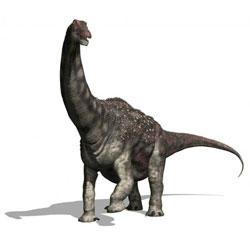
Argentine researchers have recently discovered in Antarctica the remains of titanosaurs, herbivorous sauropod dinosaurs, one of the largest living creatures.
Despite the impressive size of the creatures, the remains found were small — scientists found only one section of the animal's spine 19 centimeters long. This section is believed to be the middle part of a dinosaur's tail.
“The remains of a sauropod dinosaur found in Antarctica helped us better understand what this creature that lived in the late Cretaceous on the continent was like,” says Ignacio Alejandro Cerda Alejandro Cerda, from the Argentine scientific organization CONICET, is one of the members of the research team that discovered the remains of the titanosaurus. This giant monster lived on Earth about 70 million years ago.
The special size and anatomy of this animal, including the characteristics of joints and other parts, helped scientists identify the find as the remains of a giant titanosaurus.
Other important findings that prove the presence of dinosaurs in Antarctica have been made over the past two decades – mainly, the bones of these creatures were found in the James Ross Pool, noted scientists.
These titanosaurs originated in the early Cretaceous period and are considered the predominant group of sauropod dinosaurs until all types of terrestrial monsters disappeared at the end of the Cretaceous. They were the most common and successful species of sauropod dinosaurs, but scientists are not yet certain how they appeared and why they disappeared.