
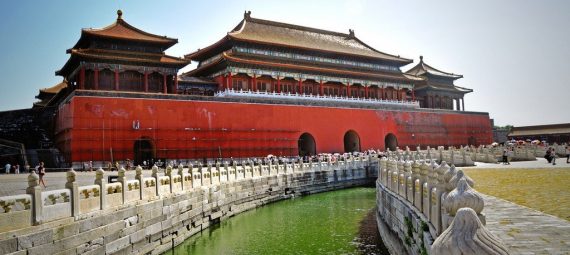
The Forbidden City. The name itself evokes a sense of mystery and intrigue. More than just a palace, it was the heart of imperial China for nearly five centuries, a meticulously planned city within a city, reflecting the power, ideology, and cosmology of the Ming and Qing dynasties. Today, it stands as a breathtaking testament to imperial grandeur, its red walls and golden rooftops still whispering secrets of emperors, concubines, and the vast bureaucracy that ruled a sprawling empire.
A City of Symbolism: Layout and Design
Enclosed within its imposing walls, the Forbidden City sprawls across 180 acres, encompassing nearly 10,000 rooms arranged in a precise and symbolic layout. The design, deeply rooted in Feng Shui principles, reflects the imperial worldview, with a clear north-south axis representing the cosmic order. The northernmost section, the Inner Court, was the exclusive domain of the emperor and his family, a sanctuary of power and privacy. The southern Outer Court served as the administrative center, where emperors held court, received foreign dignitaries, and conducted the business of state. This careful organization mirrors the rigid hierarchy and strict social structure of imperial China.
Architectural Mastery: A Fusion of Art and Engineering
The architecture of the Forbidden City is a masterpiece of design and engineering. The vibrant colors – predominantly red, gold, and green – are not merely decorative. These hues hold profound symbolic meaning in Chinese culture, representing prosperity, imperial authority, and good fortune. The intricate carvings, glazed tiles, and ornate decorations showcase the unparalleled skill and artistry of generations of craftsmen. Each building, from the majestic Hall of Supreme Harmony to the more intimate palaces of the Inner Court, is a testament to the ingenuity and wealth of the imperial court.
Life Within the Walls: Glimpses into Imperial Routines
The Forbidden City wasn’t merely a residence; it was the epicenter of imperial life. Within its walls, emperors held court, conducted state affairs, celebrated important ceremonies, and even enjoyed moments of leisure. The Hall of Supreme Harmony, for instance, served as the stage for major ceremonies, including imperial enthronements and lavish New Year’s celebrations. Other buildings, such as the Palace of Heavenly Purity (the emperor’s living quarters), offer glimpses into the more private aspects of imperial life, revealing details about daily routines, rituals, and personal preferences.
Secrets and Intrigue: Unveiling the Hidden Narratives
The Forbidden City’s history is rich with intrigue, palace coups, and dramatic shifts in power. The very name, “Forbidden City,” reflects the strict control over access; ordinary citizens were barred from entry without special permission, adding to the mystique surrounding this imperial complex. Its history resonates with tales of emperors, concubines, eunuchs, and court officials, each playing their roles in the intricate web of power and influence that defined imperial life.
A Living Legacy: The Forbidden City Today
Today, the Forbidden City stands as a UNESCO World Heritage Site and one of the world’s most visited museums. Its enduring grandeur and rich history continue to captivate millions each year. The preserved structures, artifacts, and historical records provide a unique window into a world of unparalleled power, ritual, and artistry. It is a place that invites contemplation, exploration, and a journey into the heart of Chinese imperial history – a legacy that continues to resonate centuries later.