
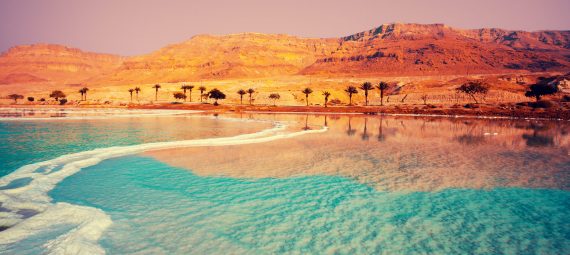
Seas around the world vary greatly in their salinity levels, and some are so salty that they create unique ecosystems and offer remarkable buoyancy to swimmers. Here are the top 3 saltiest seas in the world, each with its own fascinating characteristics and natural beauty.
1. The Dead Sea
The Dead Sea, bordered by Jordan to the east and Israel and Palestine to the west, is the saltiest sea in the world. Its salinity is around 33.7%, nearly ten times saltier than the average ocean. The high salt content creates an extreme environment where only certain types of bacteria and microbial fungi can survive, hence the name “Dead Sea.” The buoyancy is so high that swimmers can easily float on the surface without any effort. Additionally, the mineral-rich mud and water are renowned for their therapeutic properties, attracting visitors seeking health and wellness benefits.
Highlights:
- Salinity: 33.7%
- Unique buoyancy for effortless floating
- Mineral-rich waters with therapeutic benefits
2. Lake Assal
Lake Assal in Djibouti is the second saltiest body of water in the world. With a salinity level of approximately 34.8%, it surpasses even the Dead Sea. Located in a crater at the bottom of the Great Rift Valley, Lake Assal lies 155 meters (509 feet) below sea level, making it the lowest point in Africa. The lake’s water evaporates quickly due to the hot climate, leaving behind vast salt flats. This high salinity environment supports very limited aquatic life but is a significant source of salt production in the region.
Highlights:
- Salinity: 34.8%
- Lowest point in Africa
- Significant salt production area
3. The Great Salt Lake
The Great Salt Lake in Utah, USA, is the largest saltwater lake in the Western Hemisphere and one of the saltiest in the world. Its salinity varies between 5% and 27%, depending on the water level and evaporation rates. The lake’s high salt concentration creates a unique ecosystem that supports brine shrimp and various bird species. The Great Salt Lake is also known for its strikingly beautiful landscapes, including colorful sunsets and reflective waters.
Highlights:
- Salinity: 5% to 27%
- Largest saltwater lake in the Western Hemisphere
- Unique ecosystem supporting brine shrimp and bird species
Tips for Visiting Salty Seas
- Stay Hydrated: The high salinity can be dehydrating, so drink plenty of water.
- Skin Care: The mineral-rich waters can be beneficial for the skin, but also drying, so moisturize after swimming.
- Avoid Cuts: High salt content can sting, so avoid entering the water with open cuts or wounds.
- Rinse Off: Always rinse with fresh water after swimming in salty seas to remove the salt from your skin and clothing.
- Respect the Environment: Be mindful of the delicate ecosystems and local regulations to preserve these unique natural wonders.
Exploring the world’s saltiest seas offers a unique experience, from the effortless floating in the Dead Sea to the striking beauty of Lake Assal and the Great Salt Lake. Each of these salty bodies of water provides not only a natural wonder but also a glimpse into the Earth’s fascinating geological and ecological diversity.