
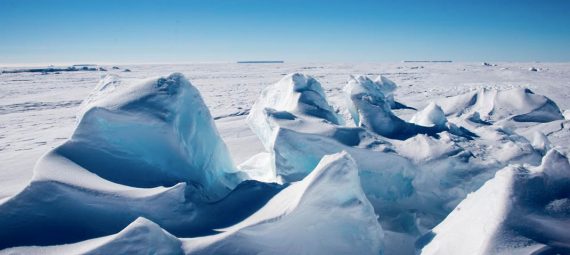
While both the Arctic and Antarctica are cold, icy regions at opposite ends of the Earth, they have distinct differences that make each unique. Here are the top 5 differences between the Arctic and Antarctica:
1. Geography
- Arctic: The Arctic is an ocean surrounded by continents. It consists of the Arctic Ocean, which is covered by sea ice, and is bordered by parts of Canada, Greenland, Russia, the United States (Alaska), Norway, Sweden, Finland, and Iceland.
- Antarctica: Antarctica is a continent surrounded by ocean. It is a vast landmass covered by an ice sheet, with the Southern Ocean encircling it.
2. Climate
- Arctic: The Arctic has a polar climate but is relatively warmer compared to Antarctica. In the summer, temperatures can rise above freezing, allowing for seasonal melting of sea ice and the presence of open water.
- Antarctica: Antarctica is the coldest place on Earth, with temperatures in the interior reaching below -60°C (-76°F) in winter. Even in summer, temperatures are generally much colder than those in the Arctic.
3. Wildlife
- Arctic: The Arctic supports a variety of wildlife, including polar bears, Arctic foxes, caribou, and a range of marine mammals such as seals, walruses, and whales. Numerous bird species also inhabit the Arctic, including puffins and snowy owls.
- Antarctica: Antarctica is known for its marine life, including penguins, seals, and whales. Emperor and Adélie penguins are iconic Antarctic species. Unlike the Arctic, there are no land mammals in Antarctica.
4. Human Presence
- Arctic: The Arctic has indigenous populations who have lived there for thousands of years. Various countries have established towns and settlements, and there are ongoing commercial activities such as fishing, mining, and oil extraction.
- Antarctica: Antarctica has no permanent human population. It is governed by the Antarctic Treaty System, which prohibits military activity and mineral mining, and supports scientific research. Only temporary research stations are established, inhabited by scientists and support staff.
5. Ice Characteristics
- Arctic: The Arctic ice is primarily sea ice that floats on the Arctic Ocean. This ice is relatively thin and fluctuates seasonally, expanding in winter and shrinking in summer.
- Antarctica: Antarctica’s ice is mostly land ice, with a massive ice sheet covering the continent. This ice sheet holds about 90% of the world’s freshwater and is much thicker and more stable than Arctic sea ice. Additionally, Antarctica has ice shelves that extend over the ocean.
Understanding these differences highlights the unique characteristics of each polar region and the distinct challenges they face in the context of climate change and environmental conservation.
Top 5 Differences Between the Arctic and Antarctica