
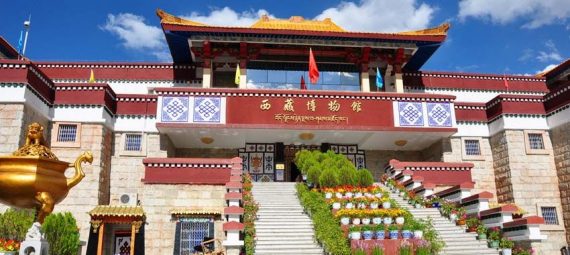
Tibet, with its rich cultural heritage and spiritual significance, offers a range of museums that provide deep insights into its history, art, and traditions. Here are the top 5 museums in Tibet that you should consider visiting to explore the region’s unique cultural and historical landscape.
1. Tibet Museum, Lhasa
The Tibet Museum in Lhasa is the premier museum dedicated to Tibetan culture and history. Opened in 1999, it showcases a vast collection of artifacts, including ancient Tibetan manuscripts, religious relics, traditional costumes, and artworks. The museum’s exhibits provide a comprehensive overview of Tibetan history, from prehistoric times to the present day, making it an essential stop for anyone interested in Tibetan culture.
2. Potala Palace Museum, Lhasa
The Potala Palace, once the winter residence of the Dalai Lama, is not only an architectural marvel but also a museum of great historical importance. Inside, you’ll find a collection of priceless religious artifacts, ancient scriptures, and intricate murals. The palace’s various halls and chapels offer a glimpse into Tibetan Buddhism and the former political and spiritual life of the Dalai Lamas.
3. Norbulingka Museum, Lhasa
Norbulingka, the summer residence of the Dalai Lama, is now a museum showcasing Tibetan art and culture. The museum is set within a beautiful park and features traditional Tibetan gardens, palaces, and temples. Exhibits include religious art, historical documents, and items related to the Dalai Lama’s summer retreats, providing insight into Tibetan royal life and cultural practices.
4. Yumbulagang Palace Museum, Tsetang
The Yumbulagang Palace, located near Tsetang, is one of the oldest surviving palaces in Tibet and now functions as a museum. It offers exhibits related to the early history of Tibet, including artifacts from the pre-Buddhist Bon religion and early Tibetan dynasties. The palace itself is a historical treasure, providing panoramic views of the surrounding landscape.
5. Sera Monastery Museum, Lhasa
Sera Monastery, one of the three great monasteries of Lhasa, also has a museum component. The museum displays a range of religious artifacts, including ancient texts, thangkas (traditional Tibetan scroll paintings), and ritual objects. The monastery’s debating courtyard, where monks engage in philosophical debates, offers a fascinating glimpse into Tibetan monastic life and education.
Conclusion
These museums in Tibet offer a rich tapestry of the region’s history, culture, and religious practices. Whether you’re interested in ancient artifacts, religious art, or the historical significance of Tibetan institutions, these top museums provide valuable insights into the unique heritage of Tibet.