
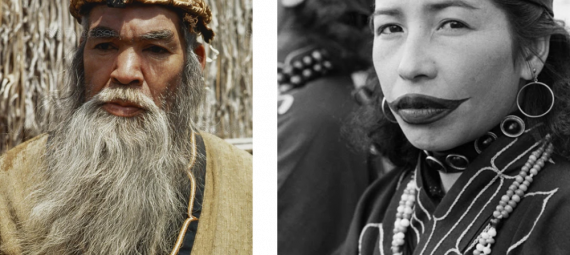
The world is home to a vast array of ethnic groups, each with its own unique culture, language, and traditions. However, some of these groups are incredibly small in number and face the risk of extinction. Here are the top 7 most endangered ethnic groups:
1. Jarawa
The Jarawa people, who inhabit the Andaman Islands in India, number only around 400 individuals. They are one of the last remaining hunter-gatherer tribes and have minimal contact with the outside world, making them highly vulnerable to diseases and external influences.
2. Ainu
The Ainu are an indigenous people of Japan, primarily living in Hokkaido. Despite their rich cultural heritage, their numbers have dwindled to an estimated 25,000, many of whom are assimilated into mainstream Japanese society, threatening the preservation of their language and traditions.
3. Kawésqar
The Kawésqar, indigenous to the coastal regions of southern Chile, have seen their population decline to fewer than 20 individuals. Their traditional way of life, based on fishing and nomadic hunting, is at risk due to modernization and loss of habitat.
4. Yuchi
The Yuchi people of the southeastern United States are a small Native American tribe with fewer than 200 members. Efforts are being made to revive their language and cultural practices, but they remain one of the most endangered ethnic groups in North America.
5. Ongota
The Ongota, living in southwestern Ethiopia, are on the brink of extinction with fewer than 100 individuals left. Their language, also called Ongota, is critically endangered, with efforts underway to document and preserve their cultural heritage.
6. Pintupi
The Pintupi people, part of the Western Desert cultural bloc in Australia, number around 500. They were among the last Aboriginal groups to make contact with the outside world in the mid-20th century. Their traditional lifestyle and language are at risk due to external pressures and modernization.
7. Shompen
The Shompen people reside in the Nicobar Islands of India, with an estimated population of around 200. They live a semi-nomadic lifestyle and have limited interaction with the outside world, making them vulnerable to diseases and cultural erosion.
These endangered ethnic groups are vital to the world’s cultural diversity, each offering unique perspectives and knowledge. Efforts to protect and preserve their languages, traditions, and ways of life are crucial to maintaining the rich tapestry of human culture.