
 Health
We often hear information about various diets that promise to get rid of extra pounds almost instantly. However, healthy weight loss can't happen overnight, no matter how miraculous the diet may seem. Usually, to lose the hated pounds for a long time, you need to eat a healthy diet, exercise, and change your lifestyle, experts say. Here are a few examples of diets that seem to help you lose weight, but are not at all able to consolidate the result!
1. Dukan diet
This diet has recently appeared in the United States, and in France it has long been used. This four-step diet was invented by Pierre Dukan, a French doctor and nutritionist.
At the first stage, the diet allows a person to eat unlimited amounts of protein, then protein and vegetables can be eaten, in the third stage, a person can add starch, fruits, cheese and bread to the diet, and at the end a person can eat whatever he likes. A person should also reduce their carbohydrate intake during this diet.
Why doesn't the result hold? If you completely remove carbohydrates from the diet, a person will actually lose weight by losing water, not fat. Eliminating carbohydrates lowers sodium levels, which contributes to weight loss due to water. This loss of water has a strong effect on the face, and therefore it seems that the person has lost more weight than he really is.
2. 17 day diet
The 17-Day Diet was written by Dr. Michael Moreno, a general practitioner from California, and includes four stages of weight loss. This diet also restricts carbohydrate intake.
Each stage lasts 17 days and consists of different variations in carbohydrates, fruits, vegetables and proteins. A person on such a diet replaces all healthy ingredients with unhealthy ones, such as mustard, with mayonnaise, and cannot eat certain fruits and carbohydrates after 2 pm. Also, a person must walk for at least 17 minutes a day.
Like the Dukan diet, this diet reduces carbohydrate intake and also reduces portion sizes compared to what you're used to.
Why doesn't the result hold? Nutritionists say that if you replace healthy foods with unhealthy ones, this will not give a result that will last long. Also, rules like 17-day cycles or excluding certain foods after 2pm are nothing more than a trick.
3. Atkins diet
 The Atkins diet was developed by Dr. Robert Atkins in 1970; it is one of the most popular diets that limit carbohydrates. It is claimed that with this diet you can lose up to 7 kg in the first few weeks.
Atkins advises people to reduce the amount of carbohydrates they eat and increase fiber-rich foods, so that the body begins to burn fat. The diet consists of four stages. Initially, a person reduces the amount of carbohydrates, but can freely eat foods rich in protein — meat, fish, eggs, cheese, salads, butter and vegetable oil. At each stage, a person adds carbohydrates to the diet until they feel that they are no longer gaining weight.
Why doesn't the result hold? Like any other low-carb diet, at the very beginning, weight loss comes from water. Healthy disposal of extra pounds takes time and does not welcome drastic measures.
“People need to understand that it takes time if they want to do things right,” says Stella Volpe, a registered dietitian and professor at Drexel University, Philadelphia. “They can be disappointed, but if you want your body to lose fat rather than water, you should lose no more than 1 kg per week.”
4. HCG diet
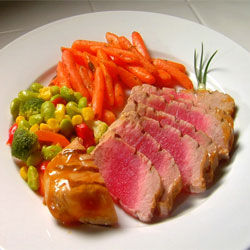 A person following this diet should reduce calorie intake and consume about 500-800 calories daily, which is almost half the norm. Also, a person should take chorionic gonadotropin (hCG), a hormone that is produced in a woman's body during pregnancy. This hormone is taken in the form of injections or tablets.
The HCG hormone has not been approved for use by the Food and Drug Administration as a weight loss drug, but it is used to treat infertility, according to the Mao Clinic.
Why doesn't the result hold? Weight loss occurs when a person reduces the number of calories they eat, according to the Mao Clinic. However, it is difficult to constantly follow such a diet and keep track of calories, not to mention the fact that it is impossible to get all the nutrients the body needs with such a diet to lead a healthy lifestyle lives. This will undoubtedly have a detrimental effect on health.
The hCG hormone by itself is most likely not to affect weight loss, studies have shown. The authors of these 1995 studies published their results in the British Journal of Clinical Pharmacology. It was found that the hormone is not able to fight obesity or curb appetite, so it will not help to get rid of extra pounds.