
 Health
Once you decide to stop drinking, the changes that will happen to your body and mind will not be long in coming.
The decision to stop drinking is a big step towards positive change, especially if a person is addicted. Most people who suffer from alcoholism need professional help, because abstinence from alcohol is quite difficult for them.
Read also: How long does alcohol take to be eliminated from the body
After you stop drinking, you may notice amazing changes not only on a physical level, but also on a mental and emotional level.
Although alcoholism causes a significant blow to human health, the sooner a person decides to give up this habit, the higher his chances of finding a healthy condition.
The length of recovery from quitting alcohol is influenced by how long and how often you have consumed alcohol. First, let's look at the stages of withdrawal symptoms.
Acute alcohol withdrawal syndrome
Excessive consumption of alcohol stimulates and irritates the nervous system. If you drink daily, your body becomes addicted to alcohol over time.
When this happens, the central nervous system can no longer easily adapt to the absence of alcohol. If you suddenly stop drinking or significantly reduce the amount of alcohol you consume, you will experience acute withdrawal symptoms.
Withdrawal symptoms may appear as early as 6 hours after taking the last alcoholic beverage.
Increased sweating and fever
Increased blood pressure and heart palpitations
Trembling limbs and eyelids
insomnia
Anxiety
Nervousness
Headaches
Nausea and vomiting
A complete detox from alcohol can take up to two weeks. Once this happens, you're going through the worst part of the withdrawal syndrome.
At the end of the acute phase, you will begin to have the psychological consequences of quitting alcohol. This stage is characterized by symptoms such as:
Lethargy, loss of energy
Anger or aggression
Increased anxiety and depression
Insomnia and nightmares
Decreased libido
The psychological consequences of quitting alcohol tend to last longer than the physical ones. This is because alcohol affects neurotransmitters in the brain that are responsible for mood. In addition, emotions and problems that you ignored when trying to suppress them with alcohol can come to the surface after you stop drinking.
At this time, a person has an acute desire to get drunk and drink at any time of the day. Depending on the severity of alcohol addiction, this phase can last from a few weeks to a year. In severe cases, professional help is indispensable.
The body after quitting alcohol
This is how our body and mind react to the absence of alcohol over time. Remember that this is only a general characteristic, and different people may have their own consequences.
1 hour
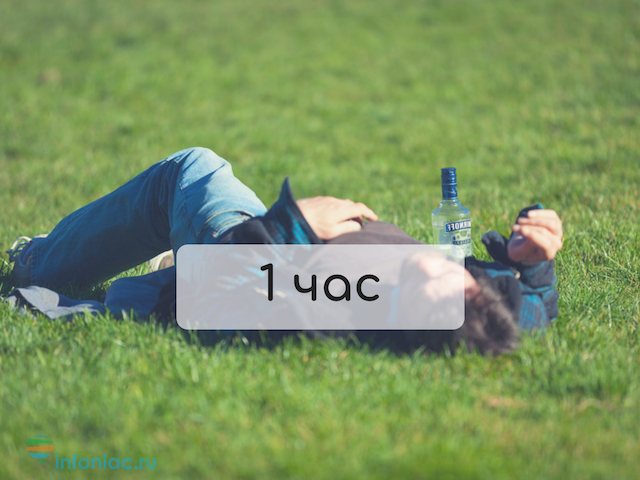
It is at this time that your body begins to launch a full-scale detox regimen to get alcohol out of your bloodstream and prevent alcohol poisoning.
An hour after your last drink, your liver starts to work at full strength.
Your pancreas also produces excess insulin, which can cause you to have a strong craving for starchy foods and sweets.
Sugar increases the level of the reward hormone dopamine, which causes a sense of pleasure. The same thing happens when drinking alcohol. Therefore, it is not surprising that after giving up alcohol, a person begins to look for pleasure in sweets.
12-24 hours
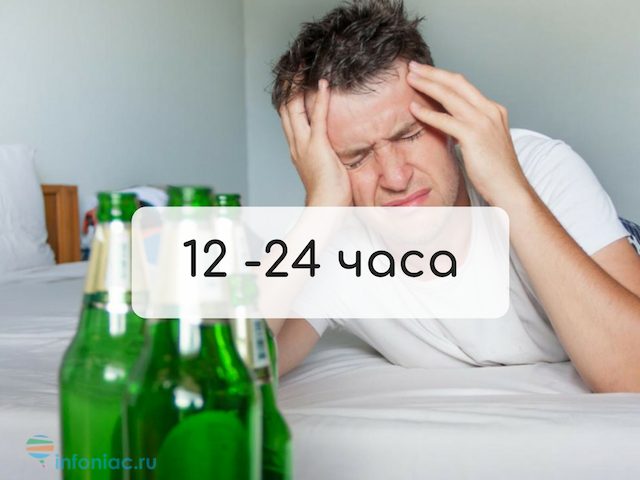
Blood sugar levels are returning to normal. However, if you eat too much sweets, your blood sugar levels can fluctuate sharply for a few more days.
Try to replace sweets and harmful fats with fruits and vegetables on a hangover day.
In addition, due to the diuretic effects of alcohol, you may experience dehydration. Always have a bottle of water on hand.
48 hours
At this stage, your body breaks the last barrier to cleansing the body. Depending on what you drink, you may experience dizziness, headaches, and fatigue. But the worst part is over.
Blood pressure stabilizes and body temperature returns to normal.
72 hours

By this time, you'll feel much better physically. All the side effects of a hangover should end, and the craving for sweets will be significantly reduced.
Experts say that 72 hours after your last drink, you are finally back in your normal physical and mental state.
However, people suffering from alcoholism may still have symptoms, shivering and dizziness.
1 week

You will start to sleep more soundly, and as a result you will notice that you have more energy. It is easier for you to wake up in the morning and you may want to go for a morning run.
You'll also notice that your skin becomes more hydrated as your body regains moisture. Alcohol prevents natural antioxidants from fighting free radicals that cause premature aging.
If you've had problems with dandruff, eczema, or couperose before, your condition should improve.
1 month

Liver functions are beginning to recover. The accumulation of fat in the liver decreases by 15 percent, and it begins to filter toxins from the body better.
You may also notice that the amount of belly fat has been reduced.
Improvements in skin condition are best noticeable 4 weeks after quitting alcohol.
Your energy levels continue to increase and you can feel physically refreshed.
At this time, it is good to seek support from loved ones or seek professional help, as most relapses occur in the first six months of a sober lifestyle.
1 year
A year after your last drink, you will lose a significant amount of belly fat.
On average, you can lose 6 kilograms. Your liver is starting to function normally.
Moreover, the risk of diseases such as:
Liver cancer
Breast cancer
Oral cancer
Cardiovascular diseases
Stroke
Depression and anxiety
Cirrhosis
Dementia and other degenerative diseases
An Easy Way to Stop Drinking by Allen Carr
Finally, here are some tips from Allen Carr, one of the most popular authors who has written several books on combating smoking and alcohol addiction.