
 Incredible facts
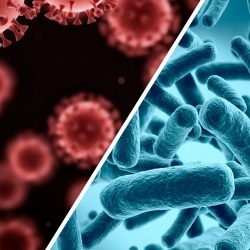
Bacteria and viruses are microscopic organisms that can cause diseases.
People often confuse bacteria and viruses, but they are very different.
Bacteria are generally harmless and viruses are dangerous, although there are bad bacteria and beneficial viruses.
Read also: The world's largest virus has been discovered
While these microorganisms have something in common, it's important to be aware of their differences, especially when it comes to illness.
The material has an informational and reference function! Before using any products or services, you should consult a specialist!
The difference between a virus and a bacterium
The structure of bacteria and viruses
© Getty Images © Getty Images
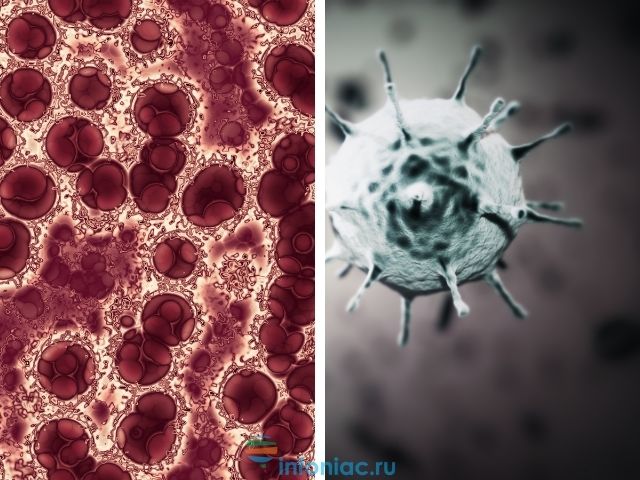
A bacterium consists of only one simple cell — these are called single-celled organisms.
Viruses are simpler than bacteria. They consist of a genetic code (DNA and RNA) with a protein coat. Some scientists don't consider viruses to be alive. Viruses cannot survive without a host, presenting only an inert collection of chemicals.
The multiplication of bacteria and viruses
Bacteria are single-celled organisms that reproduce asexually independently of other organisms.
Viruses can't reproduce on their own. They need another cell (plant, animal, or human) to do this.
The shape of bacteria and viruses
The bacterium has the shape of a ball (cocci), a bacillus (bacillus) or a helix (spirilla).
The size and shape of viruses are determined by the amount of nucleic acid and proteins they contain. Viruses usually have spherical (polyhedral), rod-shaped, or spiral-shaped capsules. Some viruses, such as bacteriophages, are more complex in shape.
Bacteria and virus size
The average size of a bacterium is about 1000 nanometers (a nanometer is one millionth of a millimeter). Bacteria are generally much larger than viruses and can be seen in an optical microscope.
The virus is between 20 and 250 nanometers in size. They are 1,000 times smaller than bacteria and are visible under an electron microscope.
Where bacteria and viruses live
© Getty Images
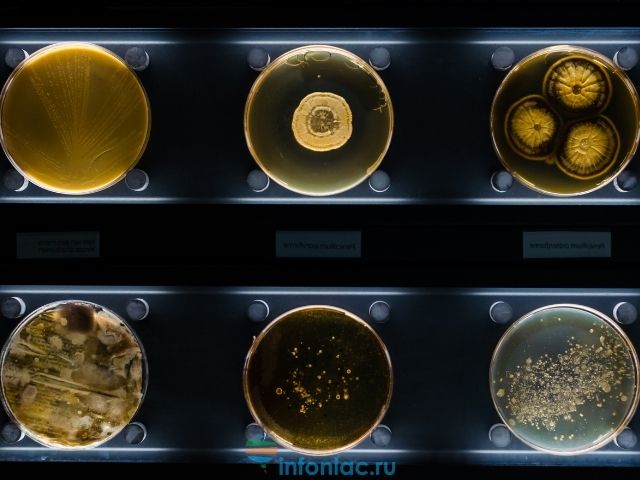
Bacteria live almost everywhere, including other organisms, inside other organisms and inorganic surfaces. They can live in very different temperature ranges, ranging from ice to hot springs and even radioactive waste.
Viruses, like bacteria, can be found in almost any environment. These are pathogens that infect animals, plants, bacteria and archaea. Viruses can stay on surfaces and objects we use in everyday life for different periods of time (from a few seconds to years) depending on the type of virus.
The benefits and harms of bacteria and viruses
Most bacteria are beneficial — intestinal bacteria produce vitamins and help people digest food, and bacteria in the roots help legumes get nitrogen from the soil, helping them grow.
Bacteria are used to produce cheese, kefir, and sourdough bread.
They produce oxygen—perhaps half of all oxygen in the atmosphere. Bacteria are used to treat wastewater or oil spills.
Most viruses cause illness. Colds and flu are caused by viruses, as well as chickenpox, measles, mumps, rubella, HIV.
Some viruses are beneficial. So-called bacteriophages kill bacteria and protect people from harmful bacteria in food.
Vaccines
Bacteria (usually dead or weak) are used to produce vaccines.
After a person has had a viral infection, such as chicken pox, they become immune from a recurrence of the disease. Vaccination creates similar immunity and can prevent many viral infections.
More people who are vaccinated reduces the number of infections in the population, protecting even those who are not vaccinated. This is what is known as herd immunity. Depending on the virus, 85-95 percent of people need to be vaccinated to protect the rest of the people.
There is no vaccine for the common cold, as it is caused by so many different viruses.
Influenza vaccines change every year because there are a number of different influenza viruses and the viruses themselves are constantly mutating.
Diseases caused by bacteria and viruses
© Leung Cho Pan
The bacteria can cause food poisoning and other serious illnesses, including meningitis, pneumonia, and tuberculosis.
Viruses are pathogens that cause a range of diseases, including chickenpox, flu, colds, rabies, and HIV. Some viruses can cause persistent infections by going into sleep mode and reactivating later. Some viruses can cause changes in host cells that lead to cancer development.
Virus and bacteria treatment
Bacterial infections can be treated with antibiotics, which are very effective in killing bacteria. However, due to the excessive use of antibiotics, including for diseases that do not require them (colds, flu), some bacteria have become resistant to them.
Some have even become known as superbugs as they have become resistant to several antibiotics. Vaccines are also useful for preventing the spread of bacterial diseases.
The best way to protect yourself from bacteria and other germs is to wash and dry your hands frequently.
Antibiotics don't work against viruses. Treatment for viral infections usually involves treating the symptoms of the infection rather than the virus itself. Usually, the immune system of a healthy person copes with viruses. Vaccines can also be used to prevent viral infections.
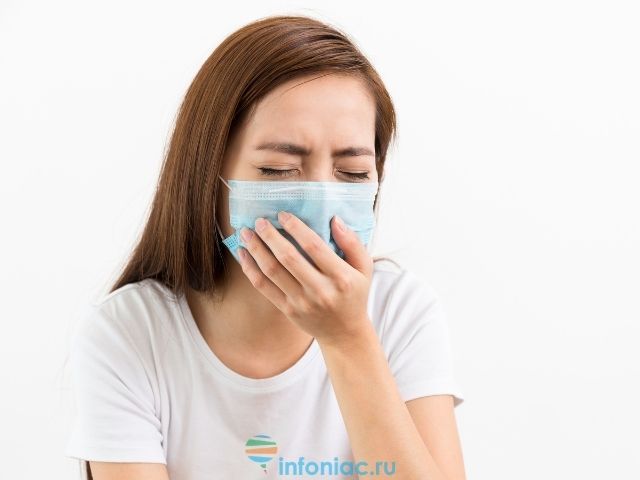
Viruses are transmitted by sneezing and coughing, touching a person or a surface infected with viral infections. That's why it's important to sneeze and cough into a handkerchief and wash your hands regularly.