
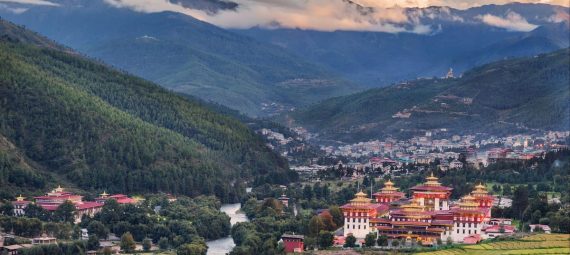
Thimphu, the capital city of Bhutan, is a unique blend of tradition and modernity, nestled in the Himalayas. Unlike other bustling capitals, Thimphu maintains a tranquil and laid-back atmosphere, deeply rooted in Bhutanese culture and heritage. With its stunning landscapes, cultural landmarks, and welcoming locals, Thimphu offers visitors a range of fascinating experiences. Here are some of the top attractions and activities to explore in Thimphu.
1. Tashichho Dzong
One of Thimphu’s most iconic landmarks, Tashichho Dzong is a grand fortress that serves as both a religious and administrative center. It houses the throne room and offices of the king, as well as several government ministries. The dzong is also the summer residence of the central monastic body and the chief abbot of Bhutan. Its stunning architecture, featuring white-washed walls, golden roofs, and intricate woodwork, is a testament to Bhutanese craftsmanship. Visitors can explore the dzong’s courtyards, halls, and temples, especially during the annual Thimphu Tshechu festival, a vibrant celebration of Bhutanese culture and religion.
2. Buddha Dordenma Statue
The Buddha Dordenma Statue is a massive bronze statue of Shakyamuni Buddha, towering 51 meters high, making it one of the largest Buddha statues in the world. Located on a hill overlooking Thimphu, the statue not only symbolizes peace and prosperity but also offers panoramic views of the valley below. Inside the statue are thousands of smaller Buddha statues, and the entire structure is surrounded by beautiful gardens and meditation halls. The serene setting and breathtaking views make the Buddha Dordenma Statue a must-visit attraction in Thimphu.
3. National Memorial Chorten
The National Memorial Chorten is a prominent religious landmark in Thimphu, built in memory of the third King of Bhutan, Jigme Dorji Wangchuck. This white stupa, with its golden spires and intricate carvings, is a place of daily worship for many Bhutanese. Locals can be seen walking around the chorten, spinning prayer wheels, and chanting mantras. Visitors are welcome to join in these spiritual practices or simply admire the beautiful architecture and peaceful atmosphere. The chorten is a significant symbol of Bhutanese faith and devotion.
4. Changangkha Lhakhang
Changangkha Lhakhang is one of the oldest temples in Thimphu, dating back to the 12th century. Perched on a hill overlooking the city, this monastery is a popular place of worship for locals, especially parents who come to seek blessings for their children. The temple is known for its beautiful statues, prayer wheels, and detailed murals depicting Buddhist teachings. The serene environment and the stunning views of Thimphu make Changangkha Lhakhang a peaceful retreat for visitors looking to experience Bhutanese spirituality and culture.
5. Folk Heritage Museum
To get a glimpse of Bhutanese rural life and traditions, visit the Folk Heritage Museum in Thimphu. Housed in a traditional Bhutanese farmhouse, the museum showcases artifacts, tools, and exhibits that represent the daily life of Bhutanese people. Visitors can see demonstrations of traditional cooking, farming techniques, and weaving. The museum also offers a taste of Bhutanese cuisine, with meals prepared using traditional methods. The Folk Heritage Museum provides an educational and immersive experience into Bhutan’s rich cultural heritage.
6. Takin Preserve
The Takin Preserve, also known as the Motithang Takin Preserve, is a sanctuary dedicated to Bhutan’s national animal, the takin. The takin is a unique animal that resembles a cross between a goat and an antelope, and it is native to the Himalayas. The preserve is home to a small population of takins, along with a few other native species. Visitors can learn about these fascinating animals and observe them in their natural habitat. The preserve is a great place for nature lovers and those interested in Bhutan’s wildlife conservation efforts.
7. Weekend Market
The Thimphu Weekend Market is a vibrant hub of activity, held from Friday to Sunday along the banks of the Wang Chhu River. This market offers a wide variety of local produce, handicrafts, spices, textiles, and other goods. It’s a great place to experience Bhutanese culture, taste traditional foods, and shop for souvenirs. The market is frequented by locals and tourists alike, creating a lively and colorful atmosphere. Browsing through the stalls and interacting with the vendors provide a unique insight into everyday life in Thimphu.
Conclusion
Thimphu is a city that seamlessly blends modern conveniences with deep-rooted traditions. From its magnificent dzongs and temples to its cultural museums and bustling markets, Thimphu offers a rich tapestry of experiences for travelers. Whether you are seeking spiritual enlightenment, cultural insights, or natural beauty, Thimphu provides a serene and welcoming environment to explore the unique heritage of Bhutan.