
 Science
More than half of your body is not human, according to a study published by the BBC.
A shocking report found that human cells make up only 43 percent of the body's total cell count.
The logical question then is: what are the other 57 percent then?
What does a person consist of
As it turns out, more than half of the human body consists of microscopic colonists. We'll come back to these “microscopic colonists” a little later.
Microbiome
It's important to understand that this hidden part of humans—the microbiome—is rapidly changing scientists' understanding of diseases, such as Parkinson's. Moreover, scientists are even wondering what it really means to be “human”.
Read also: What happens to an unprotected human body in space?
57 per cent
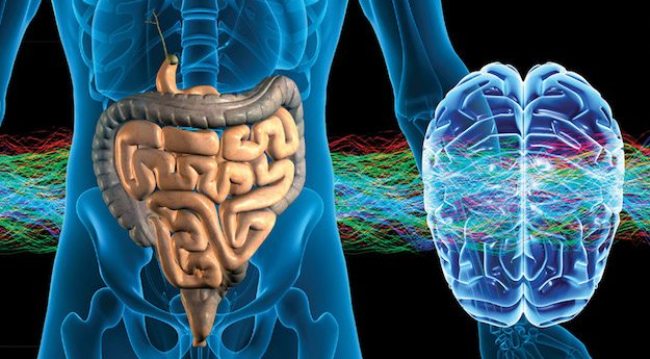
The remaining 57 percent are bacteria, fungi and single-celled eukaryotes that live in our intestines, oral cavity, skin and reproductive tract, according to Sarkis Mazmanyan, researcher microbiology at Caltech.
Bacteria far outnumber fungi and other microbes, and most of these microbes are found in the gut, so nearly all 57 percent are intestinal bacteria.
Microscopic creatures
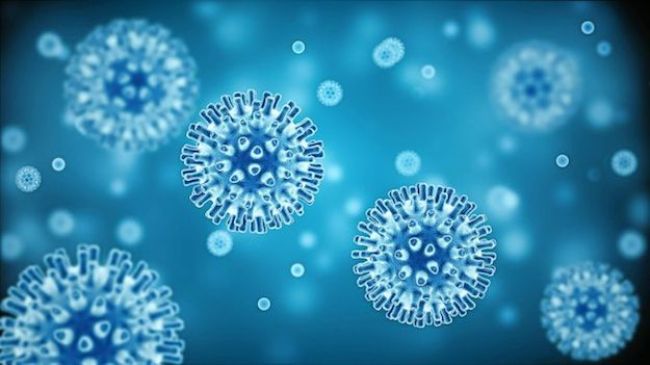
All of these bacteria are very important to our health. According to scientists, no matter how well you shower, your body is always covered in these microscopic creatures. Among them are bacteria, viruses, fungi and archaea (organisms were initially mistakenly classified as bacteria). The greatest concentration of this microscopic life is found in the dark depths of our intestines.
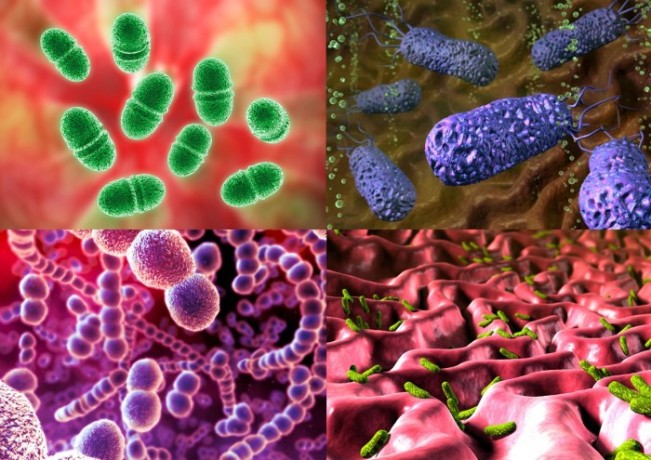
More of a microbe than a human
Professor Rob Knight from UC San Diego said: “You're more than human.” It was originally believed that every human body has ten times more bacterial cells than human cells. If we count all cells, we're 47% human. But this has not always been the case — when we are born, we are more human, but in the very first years of life we are invaded by colonies of bacteria.
Born clean
Most studies show that humans are born without a microbiome. We acquire our first germs during childbirth and then throughout our lives.
Quick changes
Cedric Feshot, a biologist at the University of Texas at Arlington, suggests that over the course of our lives, starting from an embryo, there is a dynamic change in the number of microbes. However, he does not agree with the exact 57 per cent figure. In his opinion, it is too difficult to calculate the incredible number of different microbial organisms that make up our bodies.
Person
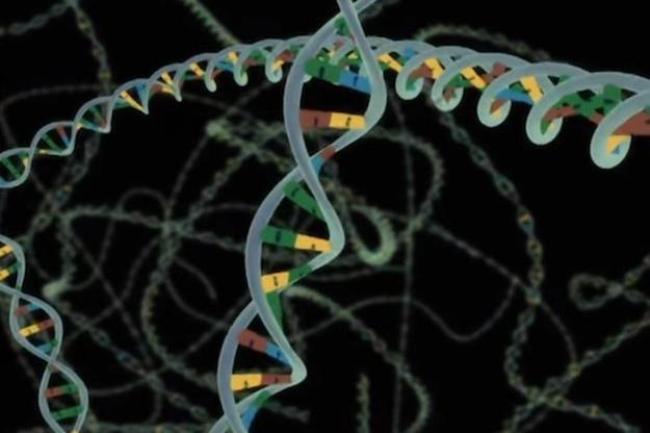
What exactly makes you human? Scientists believe that our own DNA, as well as the DNA of our gut microbes, makes us human.