
 Health
Watch the video, If you're too lazy to read
Watch the video, If too lazy to read
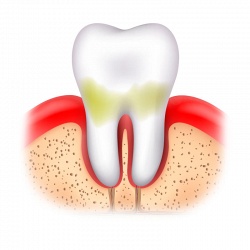
Many people dream of a beautiful and charming smile, because it gives self-confidence, has and helps resolve many conflict situations. But tartar, which is diagnosed in more than 80% of the world's population, can stand in the way of a snow-white smile.
The fact is that after each meal, a soft coating forms on the teeth, which, when cleaned poorly and untimely, hardens and mineralizes.
Apart from tartar a serious problem, especially if deposits have formed on the inside of the jaw, we delay going to the dentist. But in vain! After all, deposits on tooth enamel can trigger the development of serious oral diseases, including tooth loss.
Increased bleeding gums, bad breath, loose teeth, darkening of tooth enamel, periodontitis, gingivitis, tooth decay are just a few of the complications that can occur tartar.
How can you prevent the formation of deposits on tooth enamel? This will be discussed later.
Oral hygiene and tartar
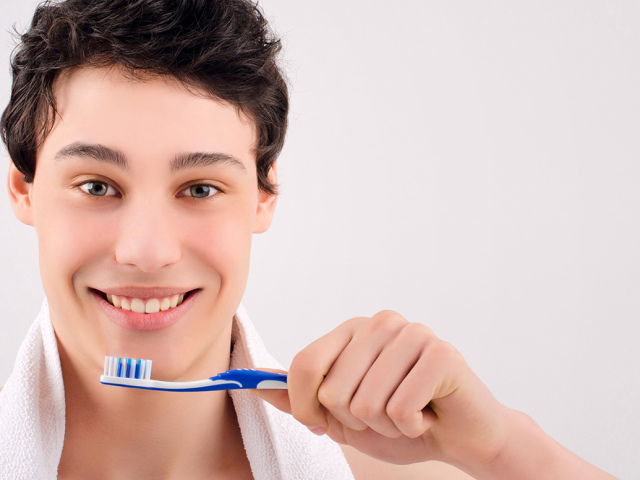
Brushing your teeth twice a day will help prevent the formation of tartar — in the morning (after breakfast) and in the evening (before going to bed). However, this hygienic procedure should last at least two minutes, otherwise the dental plaque will not be completely removed.
Do not forget to cleanse your tongue and palate, as bacteria also accumulate on them.
If you are prone to tartar formation, teeth should be brushed every time after eating.
Dental plaque chewing gum
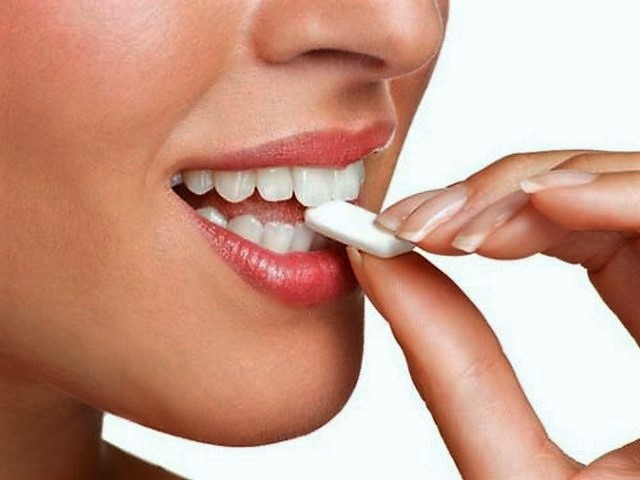
If you can't brush your teeth or rinse your mouth after every meal, use sugar-free chewing gum.
It has been proven that chewing such a gum for 20 minutes not only reduces the risk of tartar formation, but also prevents the development of caries.
Read also: How to remove plaque at home
Toothbrush for tartar
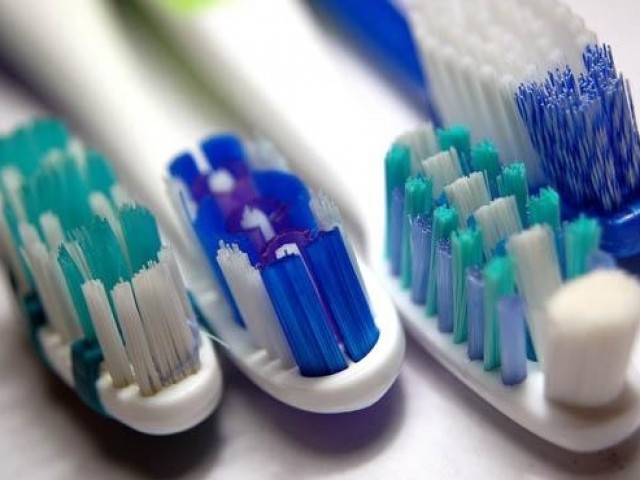
Choosing the right brush is one of the components of tartar prevention.
Dentists recommend giving preference to toothbrushes with artificial bristles, which have hairs of the same length and thickness, so that the pressure on the teeth and gums is distributed in the cleaning process is uniform.
In addition, such brushes, unlike analogues with natural bristles, provide good cleaning of hard-to-reach places and prevent bacteria from growing directly on the brush.
Remember an important rule: you should change your toothbrush every three months.
Electric toothbrush for tartar
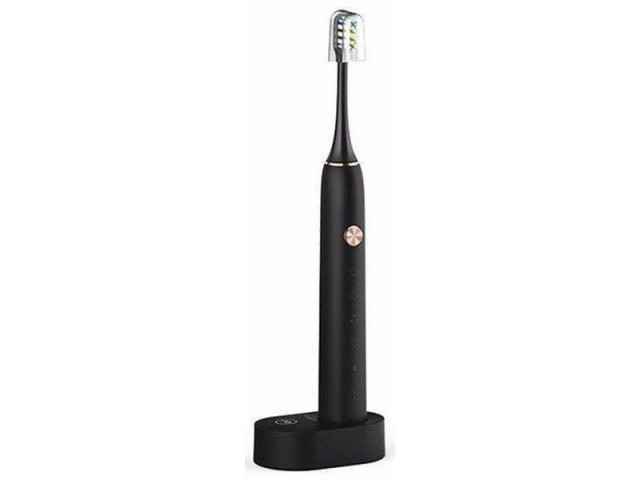
According to research results, electric toothbrushes are more effective than conventional toothbrushes in fighting plaque, so they are recommended as a prevention of tartar formation.
Thus, the bristly brush head performs reciprocating and pulsating movements. Due to pulsation, tartar is crushed, while reciprocal movements help cleanse the enamel.
When using electric toothbrushes, it is important to follow a few simple rules:
Prefer a medium-hard electric toothbrush with a small head and artificial bristles.
Use an electric toothbrush no more than 4 times a week (it is better to alternate between using an electric toothbrush and a regular one).
Change the electric brush head every 3 months.
Ultrasonic electric tartar brush
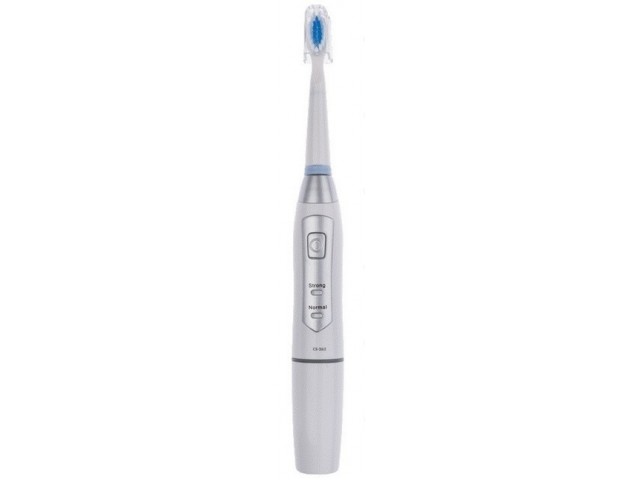
The ultrasonic version of the electric toothbrush allows you to penetrate 3 to 5 mm deep into the gums, which ensures the crushing of tartar formed both on the visible part of the tooth and directly in the periodontal gingival pockets.
With this type of cleaning, ultrasonic vibrations destroy bacterial chains and remove yellow plaque and stones, making the smile snow-white and beautiful in less than a month.
BUT! An ultrasonic toothbrush has its drawbacks:
Reducing the life of crowns, fillings and veneers.
Destruction of demineralized areas of tooth enamel, which contributes to the development of caries.
Read also: Scientists have developed a new method of treating teeth without drilling
Tartar irrigators
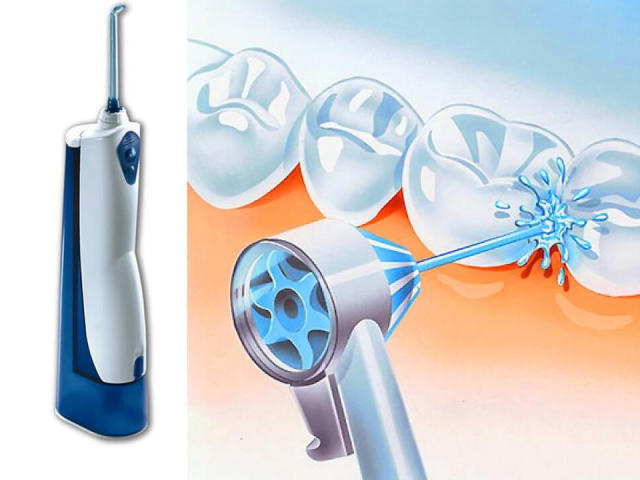
Today, irrigators are becoming increasingly popular – devices for comprehensive oral care that do not replace a toothbrush, but complement its effect.
The principle of operation of the irrigator consists in the effect of a jet of water under pressure on the gums and teeth, due to which not only effective teeth cleaning even in hard-to-reach places, but also massage gums, disinfection and deodorization of the oral cavity.
Toothpaste for tartar
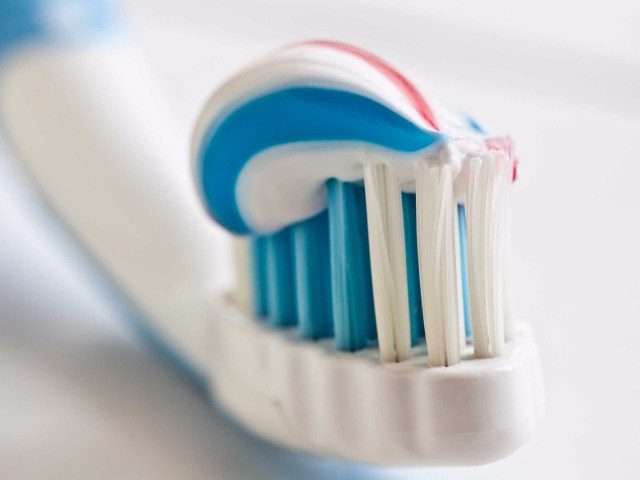
Today, a large number of toothpastes have been developed to prevent and remove plaque, which mostly contain components such as fluorine, calcium carbonate and triclosan.
Fluoride or fluorides slow down the formation of soft plaque and tartar. At the same time, dentists recommend choosing toothpastes that contain fluoride in the range of 0.1 — 0.6%.
Calcium carbonate is an abrasive that helps cleanse tooth enamel from plaque. However, the combination of fluorine and calcium carbonate in one paste can lead to the destruction of tooth enamel, so pay close attention to its composition before purchasing the paste.
Triclosan is an antibiotic that effectively fights against pathogens in the oral cavity. But you should not get carried away with toothpastes that contain triclosan, since this antibiotic, along with harmful bacteria, also destroys beneficial ones, which negatively affects the oral microflora cavities.
Dental floss for tartar

Dental floss (or floss) is the only way to prevent and remove plaque between teeth. The “toothbrush-floss” tandem significantly reduces the risk of tartar formation.
Tartar mouthwashes

The use of antibacterial mouthwashes provides additional protection against tartar.
Such rinsers should include calcium citrate or fluorides. It is recommended to use mouthwashes twice a day after brushing your teeth. In addition, in order to avoid dry mouth, dentists recommend giving preference to products that do not contain alcohol.
Tartar products

One of the reasons for the formation of tartar is the insufficient amount of hard vegetables and fruits in the diet, chewing which naturally helps to eliminate plaque. Fresh apples, carrots, radishes, cabbage should always be present on your menu.
In addition, include dairy and dairy products in the diet, which contain large amounts of calcium, which strengthens teeth. Do not give up fish, which is rich in phosphorus and many other useful minerals. Citrus fruits, which contain fruit acids, will help neutralize pathogenic bacteria.
But the use of sweets will have to be limited, since glucose is a favorable nutrient medium for pathogens.
To minimize the effect of sugary carbonated drinks, tea and coffee on tooth enamel, you should drink them through a straw.
Read also: Myths and facts about tooth decay
Smoking and tartar

Tobacco contains harmful substances that contribute to the formation of plaque, so quitting smoking is one of the components of tartar prevention.
Oral sanitation
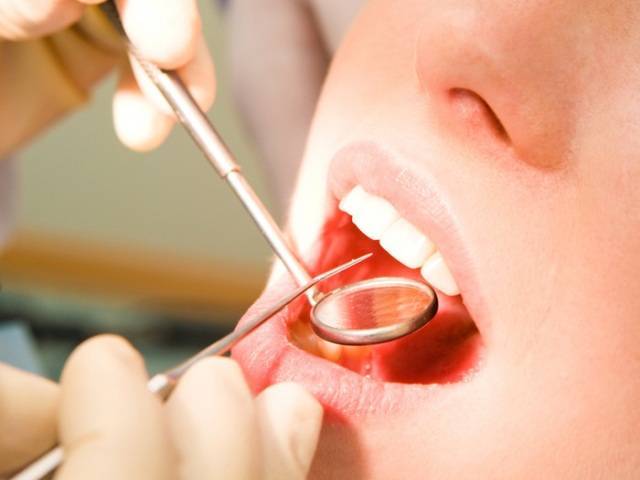
Dental calculus forms within 6 months, so visiting the dentist twice a year will, firstly, remove existing plaque and thereby prevent its further spread; Secondly, timely identify and treat dental diseases that can contribute to the formation of stones.
And remember that if tartar does form, then only a dentist can remove it painlessly and without harm to the teeth.