
 Health
Hardly anyone likes visits to the dentist. Our poor teeth are not only whitened, drilled and filled, we have to endure pain and discomfort, moreover, in the dental office we are often reproached for being wrong we take care of our oral cavity and do not use dental floss.
Many dentists advise their patients to use dental floss to help keep their teeth and gums healthy. Some say even more that dental floss even protects against heart diseases! However, dental expert Dr. Ellie Phillips recently suggested in her new book “Kiss Your Dentist Goodbye” that dental floss — a completely useless thing.
The author of the book claims that the use of dental floss does not affect the risk of tooth decay and the formation of such scourges as tooth decay. Science, she says, is on her side. Only one study found that flossing has a positive effect on dental health. Participants in this study were a group of schoolchildren who did not use dental floss themselves, but were flossed by dental assistants 5 times a week for 2 years.
A study published in the British Dental Journal in 2006 found no significant difference in the number of tooth decay in adults who used and did not use dental floss.
What are caries and other oral diseases?
Caries is a dental disease that occurs when acid in the oral cavity corrodes the tooth, destroying it. This acid is found in foods, but is mainly produced when bacteria in the mouth “digest” sugar, which is why tooth decay is often associated with eating sweets. Periodontitis, a gum disease, on the other hand, is associated with dental plaque, a film of bacteria on teeth that, if you don't brush your teeth, irritates the gums, causing them to bleed and expose your teeth. If you do not clean off the plaque, it turns into a stone that irritates the gum bones and, in special cases, even contributes to tooth loss.
Some studies even link periodontitis to heart disease, as the same bacteria found in the oral cavity can enter the heart.
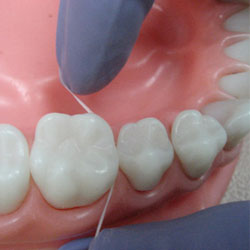
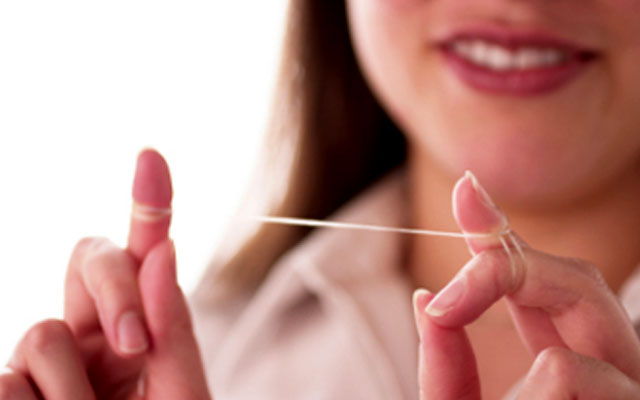
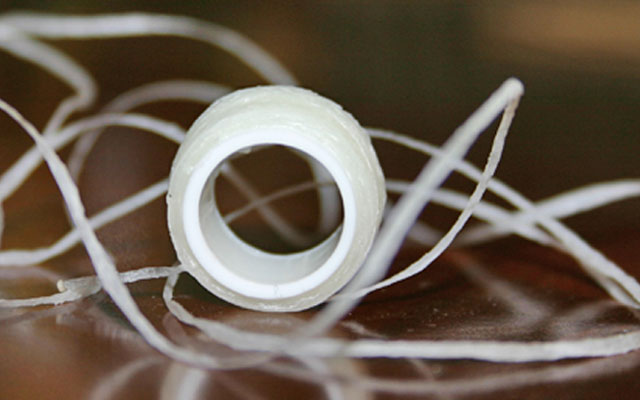
Other experts believe that dental floss will certainly benefit health, but not all patients use it correctly. In order to remove plaque, it is necessary not only to insert the thread between the teeth, but then bend it in the shape of the letter C so that the thread can remove plaque from the most difficult areas between the teeth. Experts believe that using dental floss is not a waste of time at all, but only if a person uses it correctly.
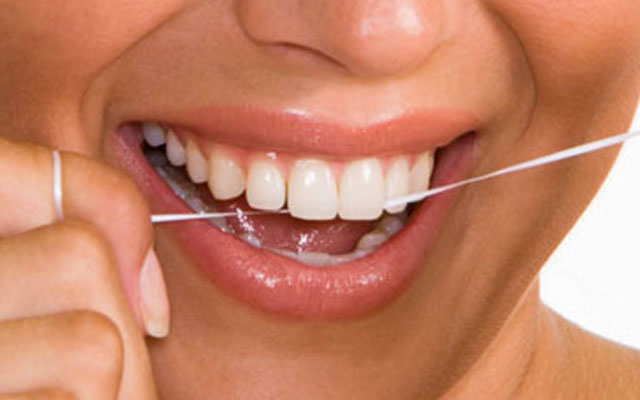
“If you don't floss, you're only brushing 60 percent,” said Dr Nigel Carter, head of the British Dental Health Association. He also said that only 5 percent of his patients are used to using dental floss, as this activity is rather laborious and unpleasant. Many doctors will recommend that you use brushes that have special hairs to penetrate between your teeth if you find it difficult to use dental floss.
Dissenting opinion
However, Dr. Ellie Phillips believes that you don't need to use special toothbrushes or floss. For healthy teeth, you need to use 3 types of mouthwashes: one before brushing your teeth and two after. People often brush their teeth right after eating, but this causes teeth to wear out more quickly because food softens their teeth, she said.
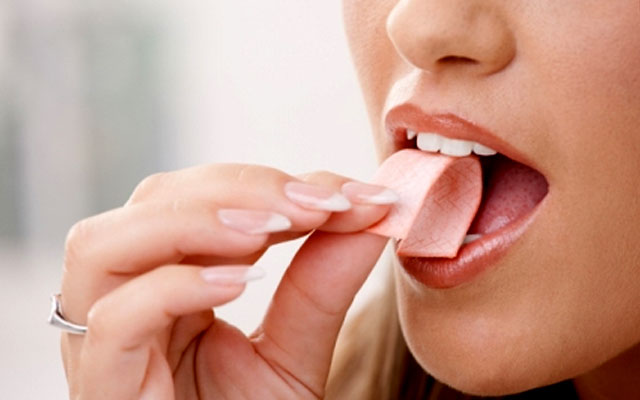
Chlorine dioxide mouthwashes can help remove bacteria without harming your teeth. After cleaning with regular paste, you should use fluoride mouthwashes to help strengthen your teeth. What's more, she also recommends chewing xylitol chewing gums, which studies have shown to reduce the risk of tooth decay.
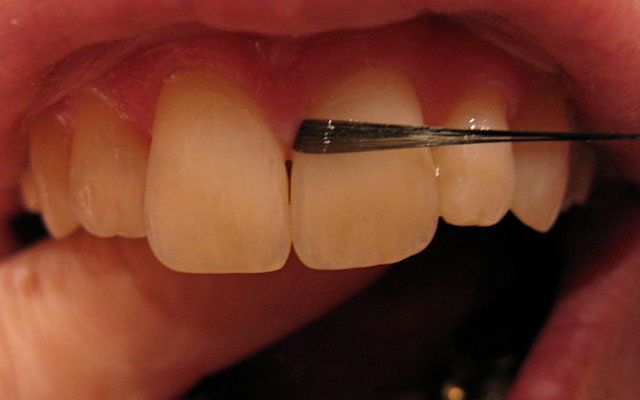
Other experts dispute Phillips's opinion. They argue that bacteria that are on teeth and cause gum disease are quite good at defending themselves and are difficult to remove, moreover, even antibiotics do not kill them. The idea that these bacteria can be easily removed with a mouthwash seems ridiculous. The only more or less effective way is to remove it physically with the help of solid objects — brushes and threads. But even then, bacteria will still remain on your teeth.
Does xylitol gum really help prevent tooth decay?
Xylitol, a natural sweetener, is found in large quantities in the bark of hanging birch trees, and can also be obtained from the pulp of berries, fruits and mushrooms. Xylitol helps suppress the growth of harmful bacteria in the oral cavity. Xylitol has health benefits, so foods that contain it help fight tooth decay.
Hundreds of studies show that xylitol is actually able to fight tooth decay. Studies involving 80 people showed that people who chewed xylitol gum 3 times a day for 3 weeks immediately after eating had a significant decrease in the number of bacteria in mouth.
In Scandinavian countries, which are the main producers of xylitol due to the large number of birch trees, xylitol chewing gum and candies are quite popular. Xylitol is used as a sugar substitute in many European countries. In Spain, for example, about 70 per cent of candies are sugar-free; in the UK, only 30 per cent of them are produced.
It is recommended to consume no more than 5 grams of xylitol per day, however, this product has side effects, sometimes causing flatulence or diarrhea, although according to Dr. Carter, the effect is temporary and quick passes. However, doctors warn that xylitol should be avoided by certain groups of people. For example, it is not suitable for children and the elderly because it works as a laxative and causes indigestion.
How can I protect my teeth from tooth decay?
In addition to all kinds of mouthwashes, dental floss and the miracle of brushes, simple rules can save your teeth: you should avoid eating sweets, especially between meals, as sugar causes the appearance acid, which has a detrimental effect on teeth, which will deteriorate faster.
You should also remember to thoroughly clean off plaque with brushes and dental floss, and use fluoride toothpaste to strengthen your teeth.