
 Health
Watch videos, If you're too lazy to read
Watch videos, If you're too lazy to read
Fat-soluble vitamin D performs an important function in the body — it ensures the full absorption of calcium, magnesium and phosphorus, which make teeth and bones strong and healthy. But the role of this vitamin does not end there!
Vitamin D:
strengthens immunity,
promotes cell development and growth,
normalizes bowel function,
prevents the development of cancer,
improves skin condition,
promotes insulin production, thereby reducing the risk of developing diabetes mellitus,
regulates blood pressure levels, preventing strokes and heart attacks.
But vitamin D deficiency in childhood can lead to such a serious illness as rickets, in which irreversible deformation of the skeletal structure occurs. But adults also need this vitamin, which regulates metabolism, provides energy and good mood for the whole day!
Therefore, it is extremely important to recognize vitamin D deficiency in time, which will make it possible to fill it in a timely manner without losing the quality of life.
So, let's look at the main signs of vitamin D deficiency.
How to understand that there is not enough vitamin D in the body
1. Muscle and bone pain and weakness

© horillaz/Getty Images Pro
Long-lasting muscular “pulling” pains and “aches” in bones and joints, the intensity of which increases and then weakens, may be symptoms of vitamin D deficiency.
This is due to poor absorption of magnesium, phosphorus and calcium, which are responsible for maintaining healthy muscles, bones and joints.
For the same reason, pain may occur in the vertebral and cervical regions.
2. Bone loss
© sankalpmaya/Getty Images
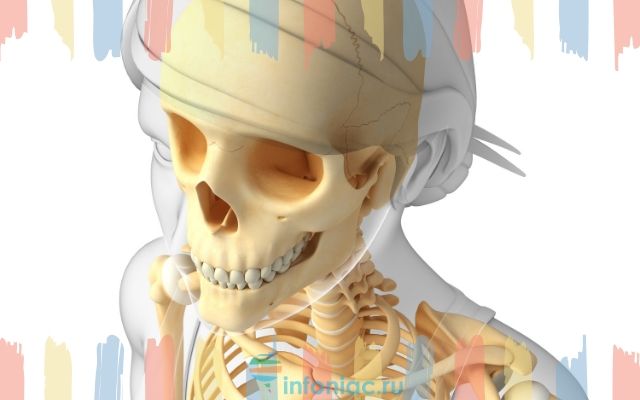
Vitamin D deficiency in the body leads to poor absorption of calcium and disruptions in bone metabolism, resulting in bone loss.
As a result, bones become brittle, which is fraught with frequent fractures.
3. Frequent colds and flu

© KatarzynabialAsiewicz/Getty Images Pro
It has been proven that low levels of vitamin D weaken the body's defenses, and the respiratory tract becomes the most vulnerable. Hence the frequent colds, bronchitis and pneumonia, especially in cold and wet weather.
4. Increased blood pressure

© KatarzynabialAsiewicz/Getty Images
Vitamin D deficiency can trigger an increase in blood pressure. The fact is that our body produces a peptide that increases blood pressure by retaining water and sodium.
Vitamin D counteracts this process, so that the pressure is normalized.
5. Intestinal problems

© Robert Kneschke
Poor digestion, accompanied by belching, flatulence, abdominal pain, and diarrhea, is one sign of vitamin D deficiency.
It's important! Crohn's disease, celiac disease and intestinal inflammation can lead to impaired absorption of this vitamin. Therefore, these symptoms should not be ignored!
Read also: Vitamins A, C, D, E, F and K: benefits, content in foods
6. Obesity

© joesorratorn/Getty Images
Clinical studies have found that vitamin D deficiency contributes to an increase in fat. It is also interesting that losing only 10% of body weight increases the concentration of this vitamin in the body.
It's important! Overweight people need to receive more vitamin D to ensure proper metabolism and maintain weight than those who are within the normal weight range. This is due to the fact that fat absorbs most of the vitamin that enters the body.
7. Excessive sweating

© Syda Productions
Sweating is an important physiological process that helps the body cool down. But if you sweat even in the absence of physical activity, and increased sweating is observed mainly in the scalp, this is a reason to take tests for vitamin D!
8. Daytime sleepiness and sleep disturbance

© Diego Cervo
Vitamin D deficiency has a negative effect on the amount of sleep, the duration of which rarely exceeds 5 to 6 hours per day with this pathology.
In addition, the quality of sleep also suffers: it becomes more difficult to fall asleep, sleep is restless and superficial, with frequent awakenings. In the morning, there is no feeling of vivacity (on the contrary, a person feels “overwhelmed”).
9. Chronic fatigue

© fizkes/Getty Images
Vitamin D is involved in converting food directly into energy. Therefore, its deficiency may be felt:
the appearance of constant fatigue, which appears even after prolonged sleep or rest,
impaired concentration, and
a decrease in mental activity.
10. Depression and mood swings

© grinvalds/Getty Images Pro
Vitamin D is needed to synthesize the “hormone of happiness and pleasure” called serotonin. If it is not enough, we become irritable, experience mood swings, and we are “overwhelmed” by a wave of apathy, which can lead to depression.
Also read: Top 12 Best Food Sources of Vitamin D
11. Heart problems

© Niran_PR/Getty Images
Vitamin D improves blood circulation, restores heart and vascular tissue. Therefore, when it is deficient, arrhythmia or tachycardia, and pain in the heart area appear.
When combined with other factors, vitamin D deficiency can trigger a heart attack, stroke, or heart attack.
12. Gum diseases
© Hightower_NRW/Getty Images
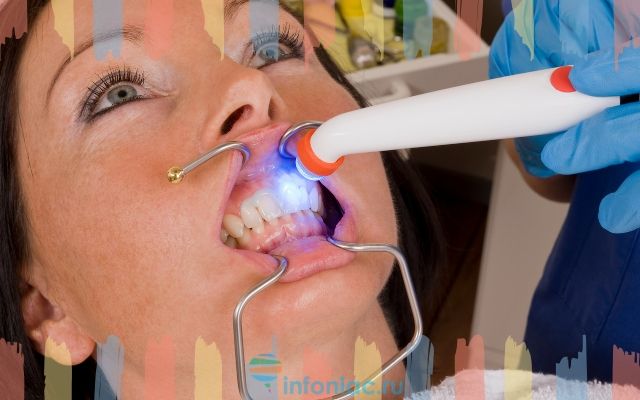
Poor calcium absorption due to vitamin D deficiency leads to redness, inflammation and bleeding of the gums. Moreover, if you do not make up for vitamin D deficiency in time, you can lose your teeth.
13. Hair loss

© paulynn/Getty Images Pro
Vitamin D stimulates hair follicles, so its deficiency can cause hair loss.
Of course, it is quite difficult to recognize nonspecific signs of vitamin D deficiency on your own and can be mistaken for manifestations of other diseases.
Therefore, here are the predisposing factors that increase the risk of developing such vitamin deficiency:
Insufficient exposure to fresh air on sunny days.
Age after 50 years (in old age, the skin produces about 30% less vitamin D than in youth).
Continuous use of sunscreens that block vitamin D production.
Dark skin by nature (we are talking about people from Africa, the Middle East and India).
Excess weight, which prevents the full absorption of the vitamin.
Improper diet, depleted in vitamin D.
Living away from the equator, and therefore away from the sun, throughout the year.
In any case, remember that the only way to detect vitamin D deficiency is to take a blood test.
Read also: Vitamin D is the main weapon of the immune system
How to replenish vitamin D?

© AlexRaths/Getty Images Pro
If we talk about the diet, the list of products containing therapeutic doses of vitamin D is quite small and includes:
chicken eggs (raw or boiled),
fatty sea fish,
seafood, cod
liver, halibut, tuna, herring, mackerel,
dairy products (especially milk and cottage cheese),
butter.
The main source of vitamin D for the body is sunbathing, so walk more often, enjoying the warm rays of the sun.
But remember that sunbathing should be dosed, because excessive exposure to the sun can also have quite detrimental effects!