
 Incredible facts
For every parent, their children are special, and they are absolutely right. But did you know that children have unique talents even before they are born?
Their amazing abilities have always been of interest to scientists who have conducted research to find out how children manage to distinguish their mother's scent or where they get the ability to swim under with water.
Here are some surprising and entertaining facts you might not have known about babies.
Baby crying
1. Babies cry with an accent, and you can tell the child's nationality by the way they cry.

Babies adopt their mother's accent and manner of talking when they cry. It is believed that babies begin to hear their mother's voice while still in the womb and then copies their accent as they grow older.
The researchers conducted a study recording the crying of 60 newborns: 30 babies born to French-speaking parents and 30 babies from German-speaking parents. They noticed that the melody of the German children's screaming was descending, and the French children's shouting melody was increasing. These “crying melodies” coincided with the peculiarities of their parents' native language.
2. If you place a newborn baby on the left side of the mother's belly for the first hour, it will crawl to the mother's breast without help.
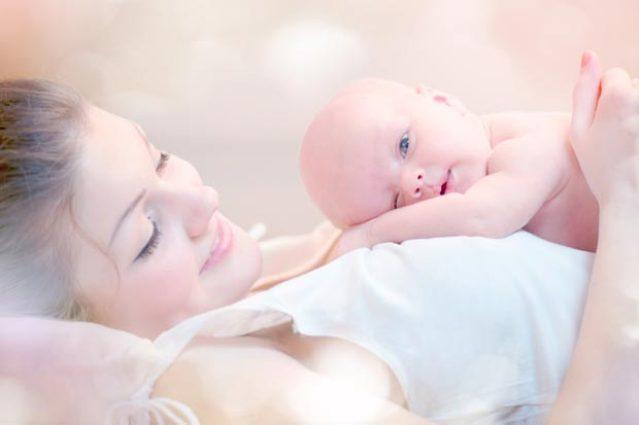
Newborn babies almost instinctively begin to reach for their mother's breasts when placed on their mother's belly. They are attracted to the smell of the nipples, which is similar to the smell of the amniotic fluid in which he was in the womb.
The presence of amniotic fluid on the baby's arms also explains why babies continue to suck their hands and fingers.
3. One of the reasons for the instinctive desire to kiss your child is to protect him from pathogens.
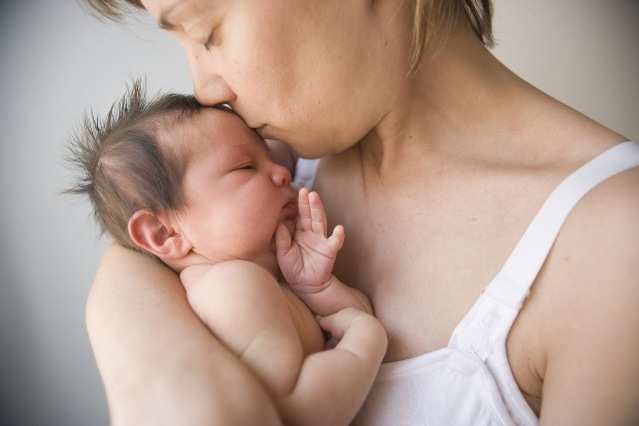
When a mother kisses her baby, it's like she takes samples of viruses and bacteria on the baby's face and body that get inside.
The mother's immune cells create antibodies that pass into breast milk, protecting the baby from infections.
Why do babies put everything in their mouths?
4. Babies put everything in their mouths because this is where the most developed nerve endings are located.
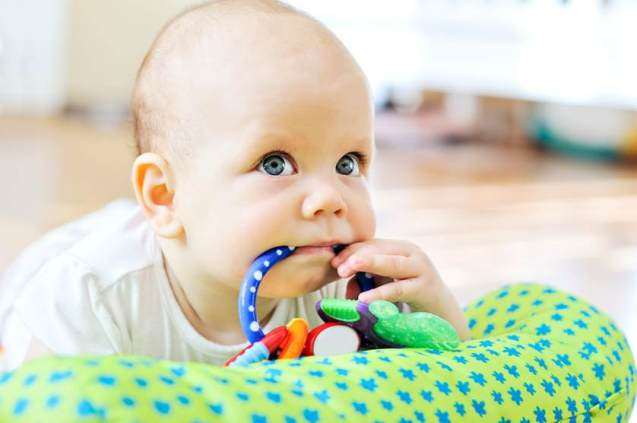
Until the child is 7 months old, he cannot use his hands and fingers to examine objects. However, babies' mouths have far more nerve endings per square millimeter than any other part of the body. That is why young children are constantly pulling everything into their mouths to understand what the object feels and tastes like.
5. Babies smile an average of 200 times a day.

By comparison, women smile 62 times a day on average, while men only smile 8 times.
Newborn swimming
6. Most babies show an innate ability to swim and dive from birth to about 6 months.
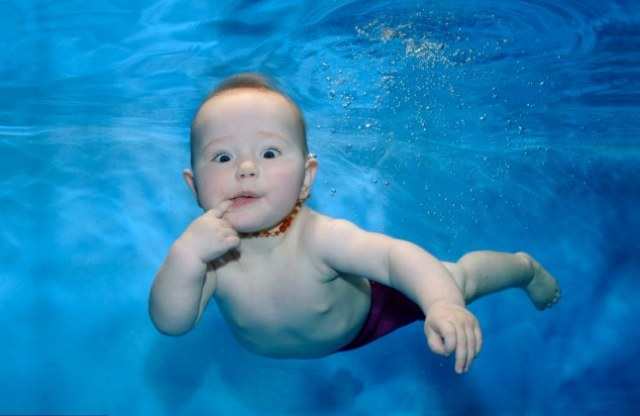
Almost 95 percent of babies have a swimming reflex before 6 months of age.
When swimming, the child's heart rate decreases by 20 percent, and blood flow to the fingers and toes is also reduced. Also, during the diving reflex, oxygen is stored for the heart and lungs, slowing down the onset of hypoxic brain damage. Thanks to this reflex, babies are able to survive underwater for a short period of time.
7. Mother and baby exchange DNA when the baby is still in the womb. These cells can last for years in the mother.

The study showed that during pregnancy, the mother and fetus exchange cells that remain in their bodies for many years. This phenomenon is known as microchimerism. Due to this phenomenon, Y chromosomes can be found in some areas of the mother's brain.
8. When someone or something touches a baby's pen, they instinctively grab it.
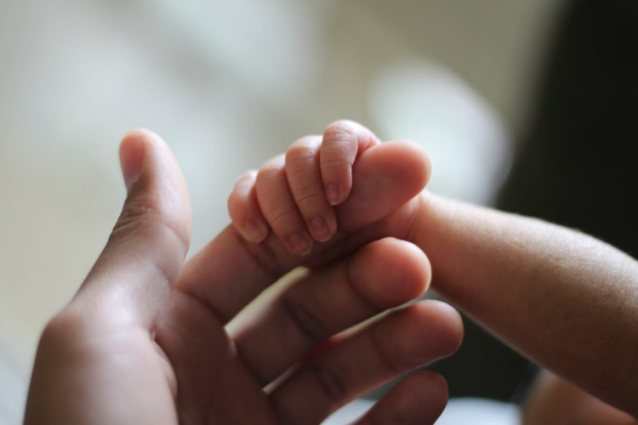
Babies have an innate grasping palmar reflex that allows them to grasp what they touch their hand. The reflex appears at 16 weeks after conception and is fully developed by the time the child is born.
At the same time, the grip is so strong that it can hold the child's own weight, but it is also unpredictable, as the child may release it unexpectedly. The palmar reflex is important for developing motor skills in infants and developing the ability to recognize objects by sensation.
Newborn sleep
9. A child's brain can use up to 50 percent of all glucose stores, which explains why babies sleep so much.
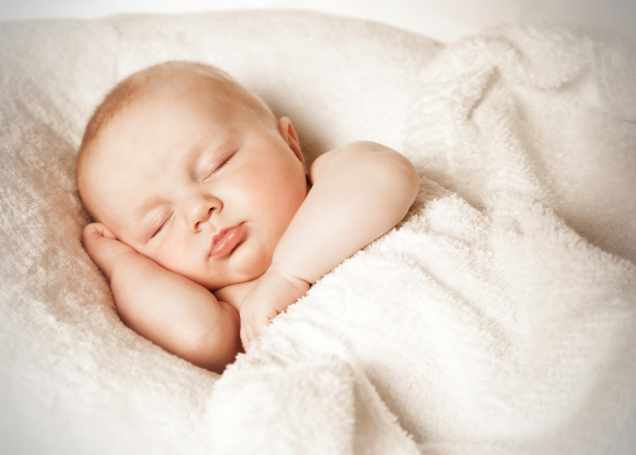
One of the reasons newborn babies sleep so much is the fact that their brains use up to 50 percent of the body's glucose stores. By comparison, the adult brain uses about 20 percent of the body's glucose stores, and sleep improves glucose uptake by the brain.
Read also:10 things you need to know about your baby's sleep
10. Newborns see everything in black and white for the first few months.
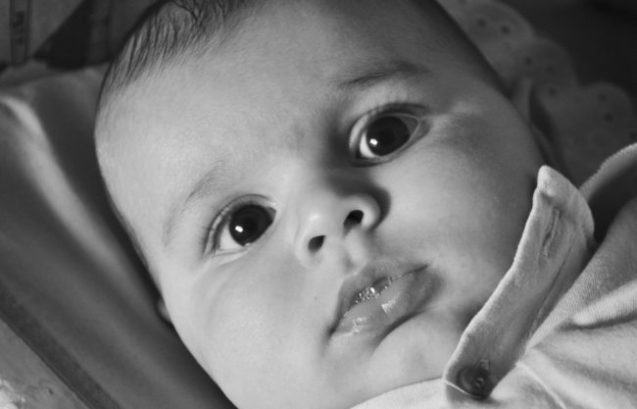
For the first three months of life, the baby's eyes only focus about 20-30 cm from his face, and he sees only black, white and gray.
This is because the first few weeks or months both of the baby's eyes learn to work in tandem, which is known as binocular vision, and the baby begins to gradually respond to movement.
As color vision develops after birth, babies first begin to see red, and a full range of colors by 3 months.
11. Until 1985, doctors believed that babies did not feel pain and performed surgeries without anesthesia.

In the late 19th and early 20th centuries, doctors performed surgeries on babies without anesthesia because they were believed to have no pain. This misconception arose from a misinterpretation of research in embryology at the time.
It was believed that newborns do not remember pain, and since they do not have conscious memory, there should be no long-term consequences.
Studies conducted on animals with minor brain injuries have been misinterpreted, and it has been concluded that the pain that children show is just spinal reflex. It was also believed that nothing could be done to relieve infant pain, as no one could measure it.
12. If the mother experiences organ damage during pregnancy, the fetus sends stem cells to repair it.
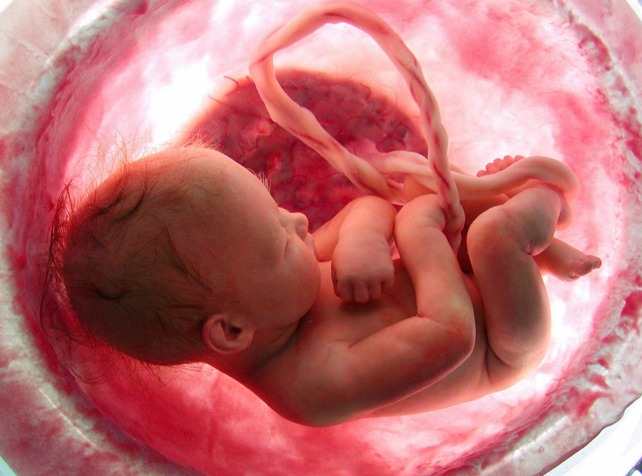
Mothers who develop heart failure during or after pregnancy recover almost instantly because the fetus donates its stem cells to repair the damaged one organ.
13. Neurosurgeons believe that children don't dream for the first few years.
This phenomenon has been studied by psychologist David Folk, who has found that children spend half of their sleep time in the rapid eye movement phase, which is the phase in which adults begin to dream.
However, due to the limited experience of newborns and the immaturity of their brains, scientists have concluded that babies spend most of their first years without dreaming.
Newborn hair
14. While in the womb, babies grow mustaches and body hair that they eat.
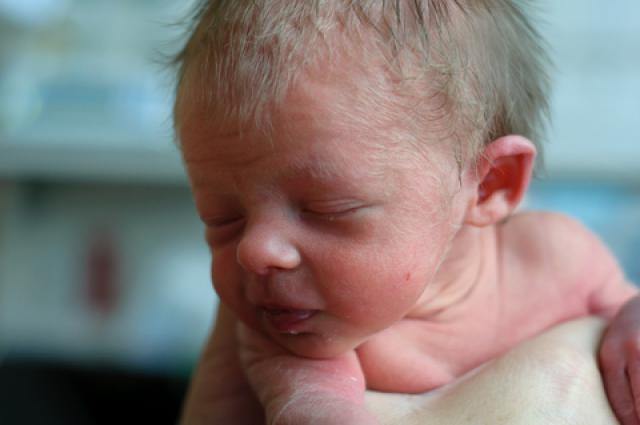
A baby grows a mustache when he is still in the womb. This happens at a time when the fruit is approximately 135 mm long and weighs 170 grams.
Fine hairs appear above the upper lip and over the next month, hairs grow all over the body. This hair, called lanugo, begins to gradually disappear before and shortly after birth. The hairs that fall out are absorbed by the fetus and converted to a substance called meconium, which is released during the baby's first bowel movement.