
 Incredible Facts
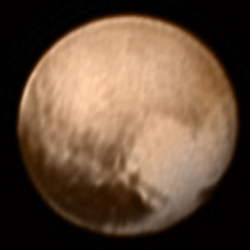
Pluto is the second closest dwarf planet to the Sun.
From 1930, when it was discovered, to 2006, it was considered the ninth planet in the Solar System. It is now the second largest dwarf planet (Eris is the first).
Read also: The first historical approach to Pluto took place
Here are some more interesting facts about Pluto.
Planet Pluto
1. It takes 246.04 Earth years for Pluto to orbit the Sun.
2. Pluto is very cold, with an average of -190 to -200 degrees Celsius.
3. Gravity is weak on Pluto, and a person weighing 45 kg would only weigh 3 kg on Pluto.
4. Sunlight on Pluto reaches the same intensity as moonlight on Earth. This is because it is approximately 5,945,900,000 km away.
The name of the planet Pluto

5. When Pluto was first discovered in 1930, a contest was announced to name the new planet. Then an 11-year-old girl named Venetia Burney from Oxford, UK, named Pluto because the planet was dark and distant, like the god of the underworld. The girl received £5 as a reward.
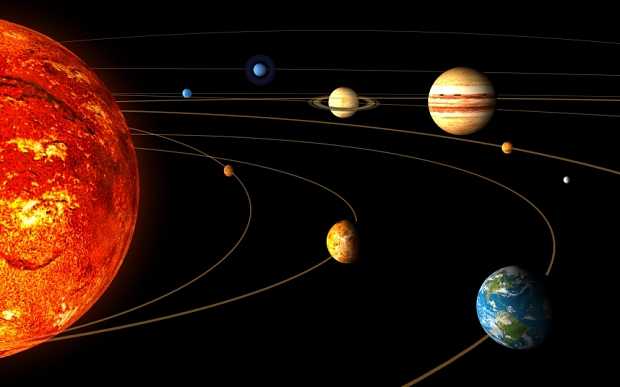
6. Pluto is smaller than Mercury and seven moons in the solar system, including Ganymede, Titan, Callisto, Io, Europa, Triton, and our Moon.
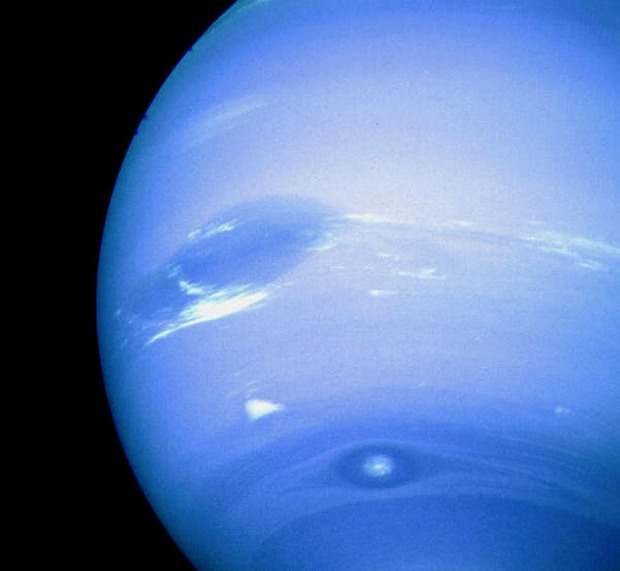
A photo of Neptune taken by the Voyager 2 spacecraft.
7. In its 248-year orbit, Pluto is closer to the Sun than Neptune. Between 1979 and 1999, Pluto was the eighth planet and Neptune was the ninth.
Read also: New Horizons: 10 interesting facts about the first mission to Pluto

8. Since Pluto was the ancient Roman god of the underworld, Pluto's main moon Charon is named after the carrier of dead souls along the Styx River to the underworld. Pluto's other moons are Nix, Styx, Hydra, and Kerberos.
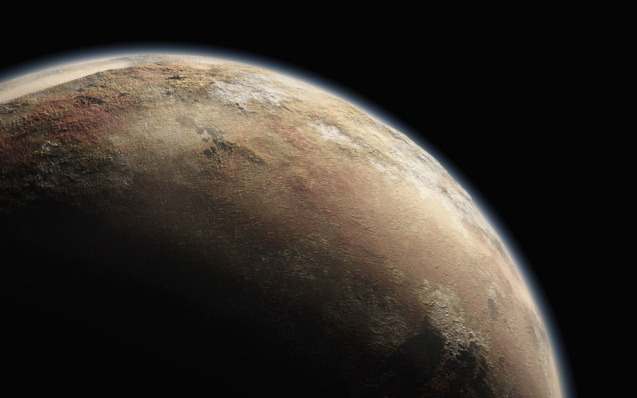
9. Some astronomers have suggested that Pluto is a lost Neptune moon that escaped from Neptune's atmosphere and created its own orbit.
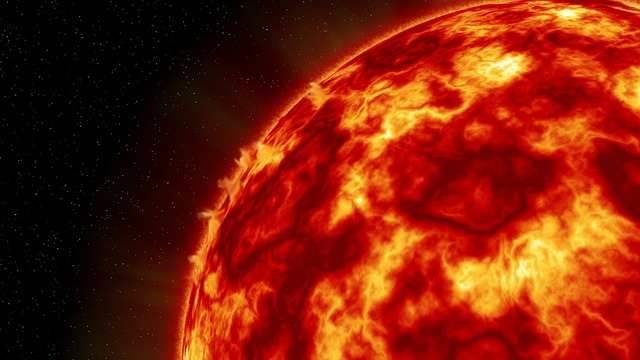
10. It takes 5 hours for sunlight to reach Pluto.
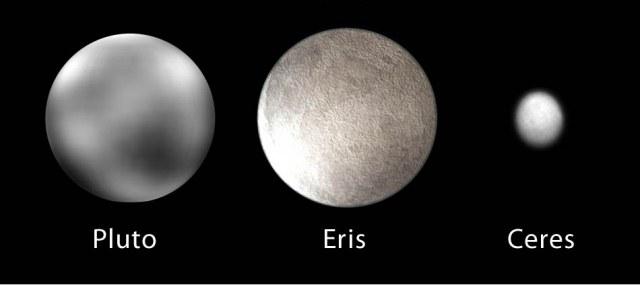
11. In 2005, another possible planet, Eris, was discovered behind the eighth planet, Neptune, and since then two more celestial bodies, smaller planets, have been discovered.
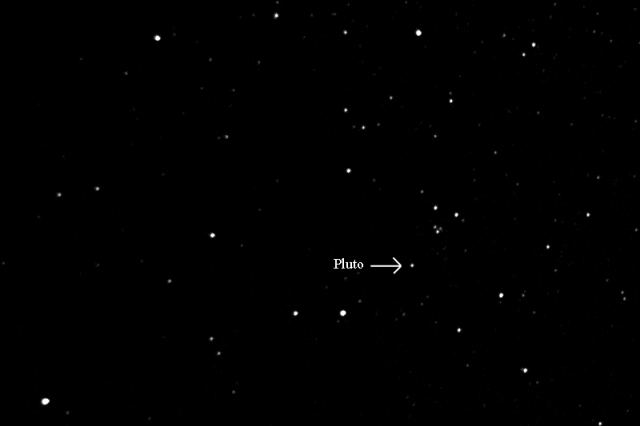
12. Trying to see Pluto from Earth is like trying to see a walnut from 50 km away.