
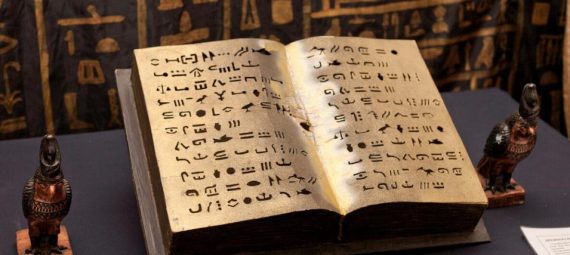
Ancient Egyptian literature, a captivating blend of mythology, practical instruction, and imaginative storytelling, offers a unique window into the beliefs, values, and daily lives of this fascinating civilization. While much of their literature has been lost to time, the surviving texts reveal a rich tapestry of narratives, ranging from epic poems and hymns to practical manuals and charming fairy tales. Exploring this literary heritage is a journey into the heart of Ancient Egypt, revealing its cultural richness and enduring influence.
Myths and Legends: Gods, Goddesses, and Cosmic Order
Egyptian mythology forms the bedrock of much of their literature. Stories of the gods and goddesses, their interactions, and their roles in shaping the cosmos are central themes. The myth of Osiris, Isis, and Horus, a narrative of murder, resurrection, and revenge, is perhaps the most famous, reflecting profound beliefs about death, rebirth, and the cyclical nature of life. These myths, passed down through generations, shaped the worldview of the Ancient Egyptians, informing their religious practices, artistic expressions, and understanding of the universe. The stories of Ra, the sun god, his journey across the sky, and his battles against chaos provide compelling narratives illustrating the cosmic order and the struggle between good and evil.
Instructional Texts: Practical Wisdom and Guidance
Beyond mythology, Ancient Egyptian literature included practical manuals and instructional texts offering guidance on various aspects of life. The “Instructions of Ptahhotep,” for example, provides wisdom on ethical conduct, social behavior, and effective leadership. These texts, often presented as advice from wise elders to younger generations, offer insights into the values and social norms of Ancient Egyptian society. They provide a glimpse into the practical wisdom and ethical principles that guided their lives. The wisdom passed down through generations illustrates the importance of social harmony and ethical conduct in their societal structures.
Love Poetry and Literary Works: Exploring Human Emotions
Ancient Egyptian literature also explored the realm of human emotions, particularly love. Love poems, often expressing longing and devotion, provide a poignant glimpse into the personal lives of the Ancient Egyptians. These romantic expressions, while differing from modern styles, reveal the universality of human emotions across cultures and time. The exploration of romantic feelings and personal experiences adds a layer of intimacy to our understanding of their civilization.
Fairy Tales and Folktales: Engaging Narratives for All Ages
Ancient Egyptian literature also included engaging narratives akin to fairy tales and folktales. These stories, often featuring magical elements and fantastical creatures, entertained and instructed younger generations. While many of these stories are fragmented or incomplete, they offer insights into the imagination and creativity of the Ancient Egyptians. The charming narratives provide a glimpse into the cultural values and beliefs passed down through storytelling. The presence of magical elements and fantastical creatures reveals their imaginative worldviews and the importance of storytelling as a means of education and entertainment.
A Legacy of Storytelling
Ancient Egyptian literature, though much of it remains fragmented or lost, continues to fascinate and inspire. Its blend of mythology, practical wisdom, and imaginative storytelling offers a unique insight into the beliefs, values, and daily lives of this remarkable civilization. Exploring this literary heritage is a journey through time, connecting us with the thoughts, feelings, and stories of a people who lived thousands of years ago. The enduring power of these narratives speaks to the universality of human experiences and the continuing relevance of their cultural legacy.