
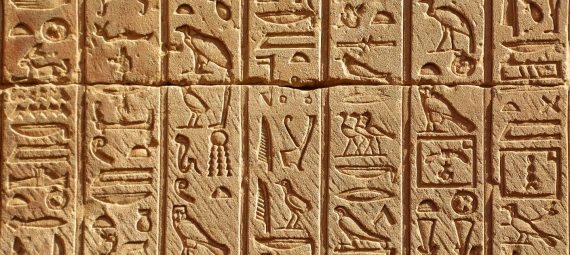
For centuries, the hieroglyphs of Ancient Egypt remained an enigmatic puzzle, a visual language seemingly impenetrable to modern eyes. These intricate symbols, a blend of pictorial representations and phonetic signs, guarded the secrets of a fascinating civilization. Unraveling their mysteries was a monumental task, a detective story spanning centuries, involving brilliant minds and painstaking efforts to unlock the secrets of a lost language.
A Visual Language: Pictures and Sounds
Egyptian hieroglyphs were far more than mere decorations; they were a sophisticated writing system that combined pictorial representations with phonetic signs. Many symbols depicted objects or concepts directly, while others represented sounds, enabling the construction of words and sentences. This complex system, far from being random, followed specific grammatical rules and conventions, requiring careful study and analysis to decipher. The visual nature of hieroglyphs, while beautiful, added layers of complexity to their interpretation.
The Rosetta Stone: A Pivotal Discovery
The turning point in deciphering hieroglyphs came with the discovery of the Rosetta Stone in 1799. This basalt stele contained the same text inscribed in three different scripts: hieroglyphs, Demotic script (a cursive form of Egyptian writing), and Ancient Greek. The presence of the Greek text, a language already understood by scholars, provided the key to unlocking the secrets of hieroglyphs. The Rosetta Stone, therefore, wasn’t just a stone; it was a linguistic Rosetta Stone, paving the way for the decipherment of a lost language.
Champollion’s Breakthrough: Unlocking the Code
Jean-François Champollion, a French scholar, is credited with achieving the breakthrough in deciphering hieroglyphs. Building upon the work of previous scholars, he meticulously analyzed the Rosetta Stone, focusing on the cartouches (oval frames enclosing royal names). By recognizing the recurring patterns within these cartouches and comparing them to the known Greek equivalents, he was able to identify the phonetic values of several hieroglyphs. This breakthrough opened the door to deciphering other hieroglyphic texts, revealing a wealth of information about Ancient Egyptian history, culture, and beliefs.
Beyond the Rosetta Stone: Further Decipherment and Ongoing Research
The decipherment of hieroglyphs wasn’t a single event but an ongoing process of research and refinement. Scholars continued to analyze additional texts, refine their understanding of the grammatical structures, and develop more sophisticated methods of interpretation. The development of new technologies, such as digital imaging and computational linguistics, has further aided in the decipherment of damaged or incomplete texts. The ongoing research into hieroglyphs continues to enrich our understanding of Ancient Egypt, revealing new details about its history, culture, and beliefs.
The Importance of Decipherment
The decipherment of hieroglyphs has profoundly impacted our understanding of Ancient Egypt. It has provided access to a vast body of historical texts, revealing details about the lives, beliefs, and practices of this fascinating civilization. From the stories inscribed on tomb walls to the administrative records of the pharaohs, these texts offer invaluable insights into the political, religious, and social structures of Ancient Egypt. The ability to read hieroglyphs has transformed our understanding of this remarkable culture, bringing its past to life and continuing to reveal new insights with every new discovery.