
 Ecology
The lowest surface of the glacier may not seem like a very attractive place to live, but at least 2 species of bacteria are firmly established in these places.
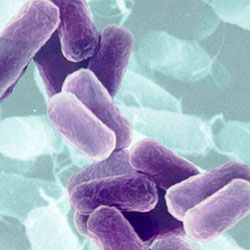
Bacteria of the species Chryseobacterium and Paenisporosarcina are able to survive at the base of the Greenland and Antarctic ice sheets, scientists have found out, who have studied in detail samples taken in these areas. The results of the research can help scientists search for life on Mars, according to the author of the work, microbiologist Corien Bakermans (Corien Bakermans).
On Earth, glaciers and ice sheets are vast ecosystems that occupy 10 per cent of the planet and contain 78 per cent of the world's freshwater supply.
To understand how well bacteria feel at the base of the glacier, scientists took samples from two regions of the planet from the ice sheet of East Antarctica and sent them to a laboratory where have created conditions that are close to natural, including temperature, nutrients, and so on.
Scientists monitored carbon dioxide levels in ice to investigate bacterial respiration. As a result, they found that bacteria can breathe at temperatures between minus 33 and minus 4 degrees Celsius. The respiratory rate of microorganisms increased with increasing temperature.
Bacteria feel best in cracks and crevices in ice, as these cracks are channels through which they get water and nutrients.
“Nutrients are difficult to exchange in ice,” says Beckermans. “But cracks give microbes access to the substances they need.”
Research can help search for life on other planets, including Mars, because there are the same temperatures as under the ice on Earth, scientists said.
“Although there may be many factors that are involved in shaping life on other planets,” says Beckermans. “We can still say that if microbes on Earth survive under such conditions, there are it is likely that the same microbes exist on Mars, where there is the same environment.”