
 Science
Many of us believe that bacterial colonies in the mouth can do us a minimum of harm; in the worst case, we may be waiting for a visit to the dentist. However, in some cases, when a person undergoes dental surgery, this can cause bacteria from the oral cavity to enter the bloodstream and thereby get to hearts. This condition called infectious endocarditis causes bacteria to envelop the heart, and fatal outcomes are not uncommon.
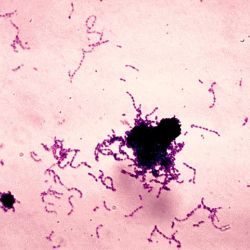
How do bacteria that “specialize” in penetrating hard dental tissue find a way to enter the heart? A team of researchers from the University of Rochester, after conducting an analysis, found several possible reasons that explain how some strains of Streptococcus mutans survive outside the mouth cavities that penetrate the heart through the blood. Their results suggest that in this case, the activity of a particular protein may be an explanation.
The study may help in the future to create a special device that, before performing dental surgery, would show the likelihood of bacteria entering the mouth cavities in the heart.
Scientists already know that there are four types of Streptococcus mutans in the oral cavity, several strains of which are responsible for the development of endocarditis. Experts have now discovered three more strains that can invade the heart that do so through a protein called CNM. In the experiment, experts “turned off” the protein's work, as a result, once in the heart, bacteria were practically unable to form colonies on its tissues.
By studying the activity of bacteria in worms, scientists found that colonies that were “supported” by protein were much more likely to be fatal.
People who suffer from heart disease or have artificial valves in their hearts are more at risk of developing endocarditis, so bacterial activity in the oral cavity is particularly important for them it's dangerous. Other people's immune systems, however, quickly crack down on bacteria as soon as they enter the bloodstream. However, depending on the type and number of bacteria, they can also survive in a healthy person's body. To protect yourself as much as possible from these bacteria, you should not neglect personal hygiene rules, which, in turn, will significantly reduce the likelihood of bacteria traveling throughout the body during dental appointments.