
 Health
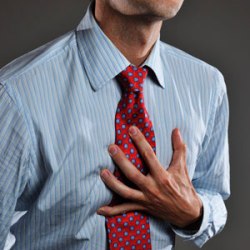
In films, we often see people suddenly grasping their hearts, suffering from unbearable chest pain. Symptoms of a heart attack or myocardial infarction can range from intense chest tightness to dull pain and burning sensation.
However, many warning signs are not so obvious. According to recent studies, about 95 percent of women who have had a heart attack report experiencing symptoms weeks or even months before the heart attack. But because these symptoms did not look like stereotypical chest pain, they were overlooked. They are called “silent heart attacks,” in which symptoms are vague or even non-existent, but they are just as dangerous.
What causes a heart attack?
Most heart attacks are caused by coronary artery disease, in which coronary arteries narrow due to the gradual accumulation of atheroma (fatty material) on their walls. An atheroma can cause a blood clot that blocks an artery and deprives your heart of blood and oxygen, damaging your heart muscles. It is called acute myocardial infarction or coronary thrombosis.
It is estimated that about 25-30 percent of heart attacks are “silent”. However, you do not experience the typical symptoms of chest pain. Some people feel general malaise for several hours, accompanied by jaw pain or symptoms they mistake for indigestion. In this case, it is best to consult a specialist.
Here are the most common “silent” heart attack symptoms that are often overlooked:
Burning abdominal pain
 This refers to dull pain or burning sensation in the epigastric region (upper abdomen). Pain does not always appear in the center of the chest. A blockage in the heart can cause symptoms similar to indigestion, such as an overfilled stomach, bloating, and trouble swallowing. If these symptoms last more than two days, you should see a doctor.
Neck and jaw pain
Severe pain or pressure around the jaw or neck can also be a dangerous sign. As a rule, it all starts with a little discomfort, but if the condition gradually worsens, you need to call for medical help.
Upper back pain
Upper back pain is often mistaken for muscle pain, but it can be a silent sign of a heart attack. If in doubt, consult your doctor.
Shortness of breath
Sudden shortness of breath without chest pain can be a sign of a heart attack, although this is common among older adults or those with diabetes. Chest pain can be caused by lack of oxygen to the heart muscle, and shortness of breath due to the heart no longer pumping blood properly, which fills the lungs with fluid.
Dizziness and sweating
 Dizziness and sweating are common signs. Sweating is a normal response to severe pain, and loss of consciousness due to a drop in blood pressure and lack of oxygen.
Stretched muscle
If chest pain spreads to the left or right shoulder, it could be another sign of a heart attack. Many of those who survived a heart attack said they felt like they had pulled a muscle and waited until the next day until they were hospitalized.
How not to miss the signs of an impending heart attack? First aid for a heart attack