
 Ecology
Ice ages, which have taken place more than once on our planet, have always been covered with a lot of mysteries. We know that they froze entire continents, turning them into uninhabited tundras.
About 11 such periods are also known, and all of them took place with regular consistency. However, we still don't know a lot about them. We invite you to learn the most interesting facts about the ice ages of our past.
Giant animals
By the time the last ice age came, mammals had already evolved. The animals that could survive in the harsh climatic conditions were quite large, their bodies were covered with a thick layer of fur.
Scientists called these creatures a “megafauna” that was able to survive at low temperatures in areas covered by ice, for example, in present-day Tibet. Smaller animals could not adapt to the new glaciation conditions and died.
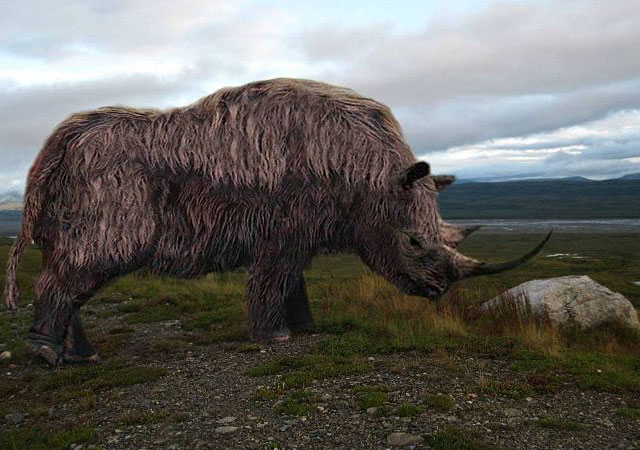
Herbivores of the megafauna have learned to find food even under layers of ice and have been able to adapt to the environment in different ways: for example, ice age rhinos had shovel-shaped with horns that were used to dig up snow drifts.
Another collection of incredible facts about animals and plants
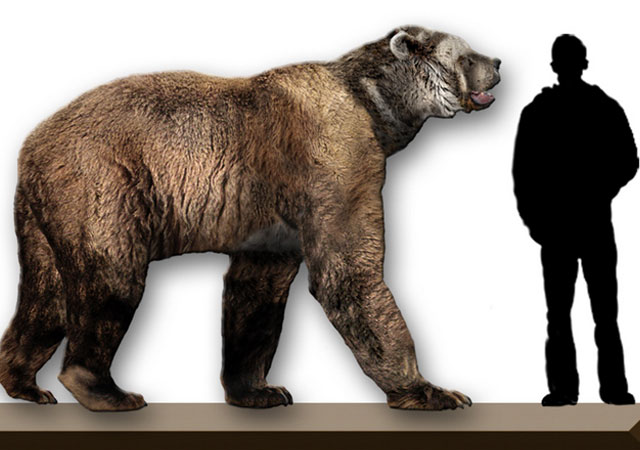
Predatory animals, such as saber-toothed cats, giant short-faced bears and terrible wolves, survived well in the new conditions. Although their loot could sometimes fight back due to its large size, it was abundant.
Ice Age people
Despite the fact that modern man Homo sapiens could not boast of large size and hair at that time, he was able to survive in the cold tundra of the Ice Ages for many millennia.
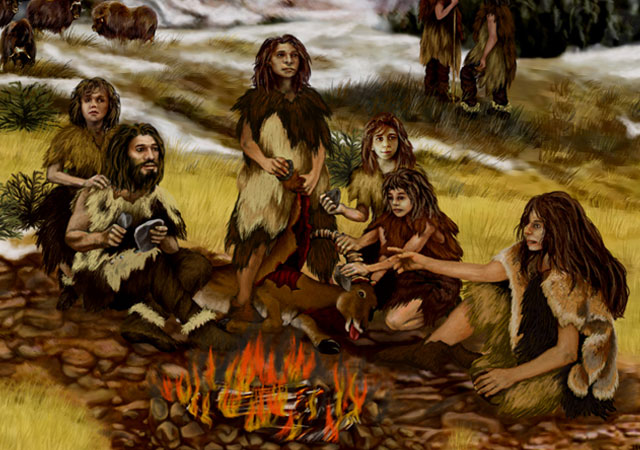
Living conditions were harsh, but people were creative. For example, 15,000 years ago, they lived in tribes that hunted and gathered, built original homes from mammoth bones, and sewed warm clothes from animal skins. When food was abundant, they stocked up in permafrost, a natural freezer.

Tools such as stone knives and arrows were mainly used for hunting. Special traps had to be used to catch and kill large ice age animals. When the animal fell into such traps, a group of people attacked it and beat it to death.
Little Ice Age
There were sometimes small periods between major ice ages. This is not to say that they were destructive, but they also caused famine, diseases due to crop failure and other problems.
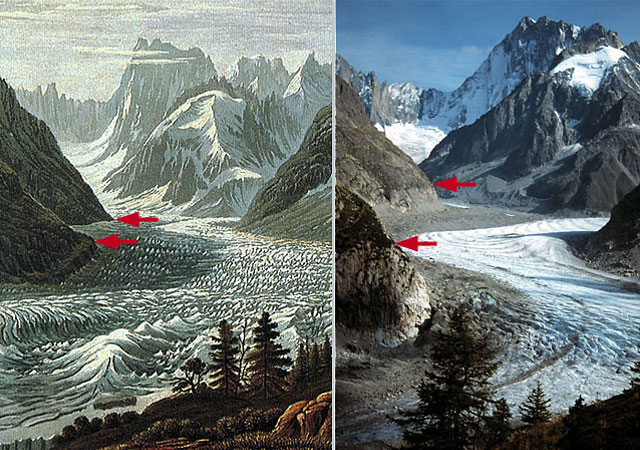
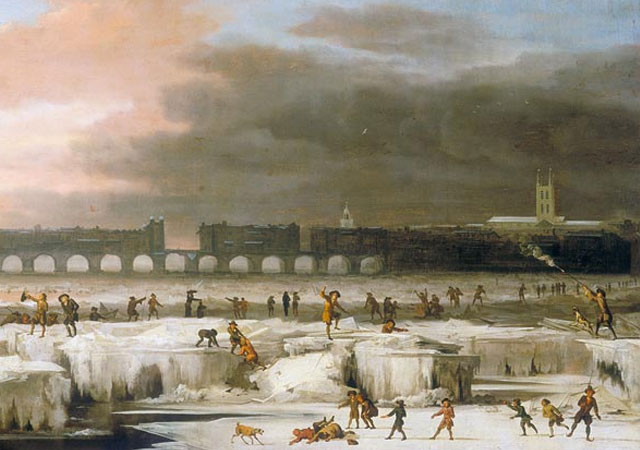
The most recent of the minor ice ages began around the 12th and 14th centuries. The most difficult period was the period from 1500 to 1850. At this time, the temperature in the Northern Hemisphere was quite low.
It was common in Europe when the seas froze, and in mountainous areas, for example, in present-day Switzerland, snow did not melt even in summer. Cold weather has had an impact on every aspect of life and culture. Probably, the Middle Ages have gone down in history as a “time of trouble” also because the Little Ice Age dominated the planet.
Warming periods
Some ice ages actually turned out to be quite warm. Despite the fact that the earth's surface was covered in ice, the weather was relatively warm.
Sometimes a fairly large amount of carbon dioxide accumulated in the planet's atmosphere, which is the cause of the greenhouse effect, when heat is trapped in the atmosphere and heats the planet. At the same time, ice continues to form and reflect the sun's rays back into space.
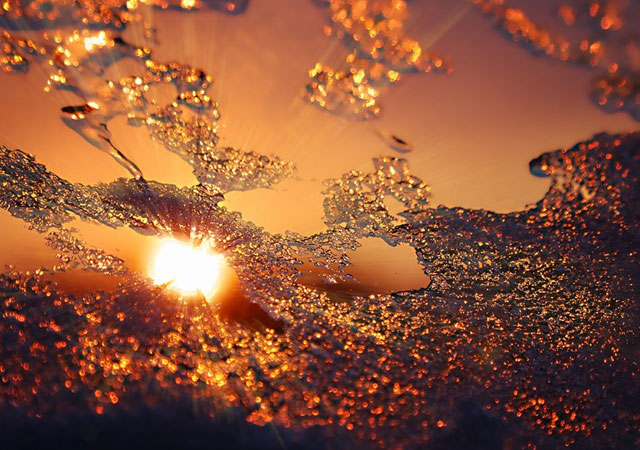
According to experts, this phenomenon led to the formation of a giant desert with ice on the surface, but rather warm weather.
When is the next ice age?
The theory that ice ages occur on our planet at regular intervals runs counter to theories about global warming. There is no doubt that today there is a widespread warming of the climate, which could help prevent the next ice age.
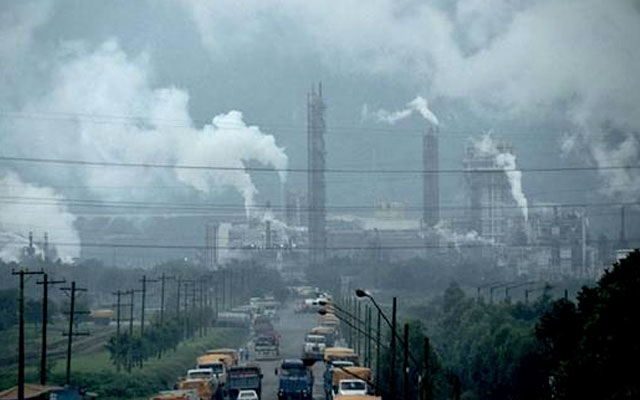
Human activities emit carbon dioxide, which is mostly responsible for the problem of global warming. However, this gas has another strange side effect. According to researchers at the University of Cambridge, CO2 emissions could stop the next ice age.
10 unexpected consequences of global warming
According to our planet's planetary cycle, the next ice age is about to begin, but it can only take place if the level of carbon dioxide in the atmosphere is relatively is low. However, CO2 levels are now so high that an ice age is out of the question anytime soon.
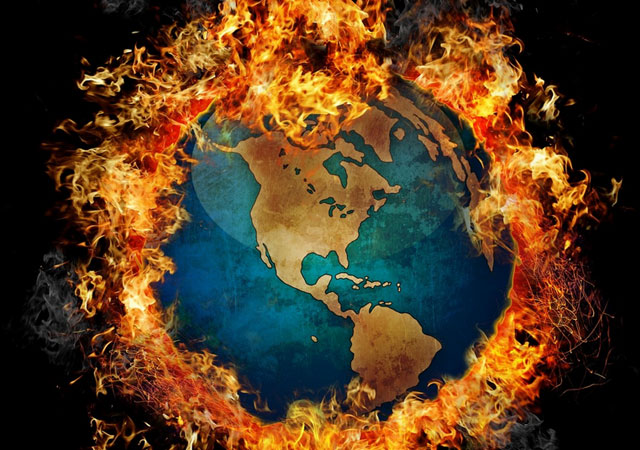
Even if a person suddenly stops emitting carbon dioxide into the atmosphere (which is unlikely), the current amount will be enough to prevent the onset of an ice age for at least another thousand years.
Ice Age plants
Predators were the easiest to live during the Ice Age: they were always able to find food for themselves. But what did the herbivores actually eat?
It turns out that there was enough food for these animals too. During the Ice Ages, there were many plants on the planet that could survive in harsh conditions. The steppe area was covered with shrubs and grass, which mammoths and other herbivores ate.
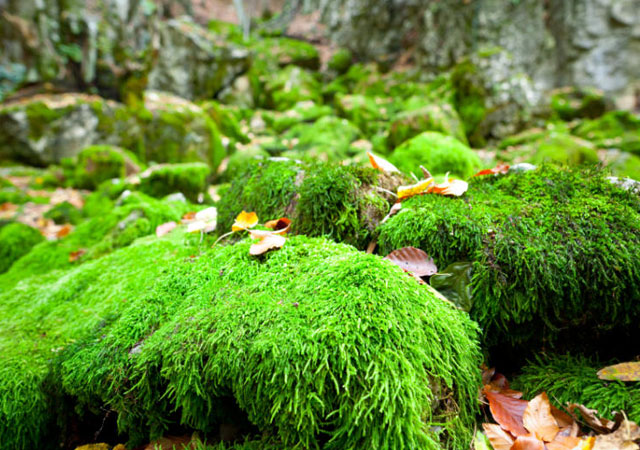
There were also a great variety of larger plants: spruce trees and pines, for example, grew in abundance. Birch and willow trees were found in warmer areas. So, by and large, the climate in many modern southern regions resembled that of Siberia today.
However, the plants of the Ice Age were somewhat different from modern ones. Of course, when the cold weather set in, many plants became extinct. If the plant was unable to adapt to the new climate, it had two choices: either move to more southern zones or die.
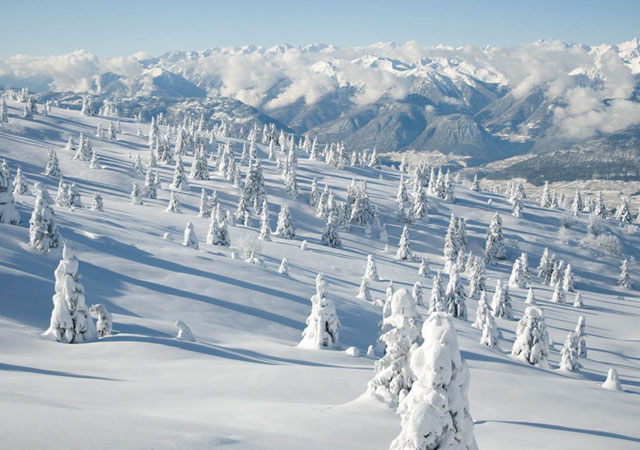
For example, present-day Victoria in southern Australia had the richest variety of plant species on the planet until the Ice Age, which resulted in most species died.
The cause of the Himalayan Ice Age?
It turns out that the Himalayas, the highest mountain system on our planet, are directly related to the onset of the Ice Age.
The world's highest peaks on all continents
40-50 million years ago, the land masses where China and India are located today collided to form the highest mountains. As a result of the collision, huge volumes of “fresh” rocks from the Earth's interior were exposed.
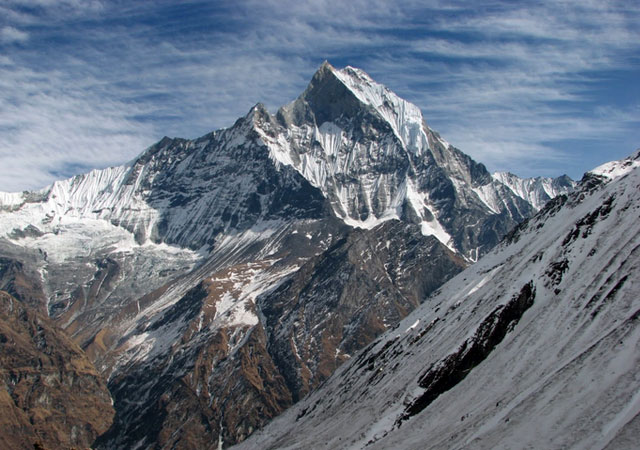
These rocks were eroded, and as a result of chemical reactions, carbon dioxide began to be displaced from the atmosphere. The climate on the planet began to get colder and the Ice Age began.
Snowball Earth
During various ice ages, our planet was mostly covered in ice and snow only partially. Even during the harshest ice age, ice covered only one-third of the globe.
However, there is a hypothesis that at certain periods the Earth was still completely covered with snow, which made it look like a giant snowball. Life still managed to survive thanks to rare islands with relatively little ice and sufficient light for plant photosynthesis.
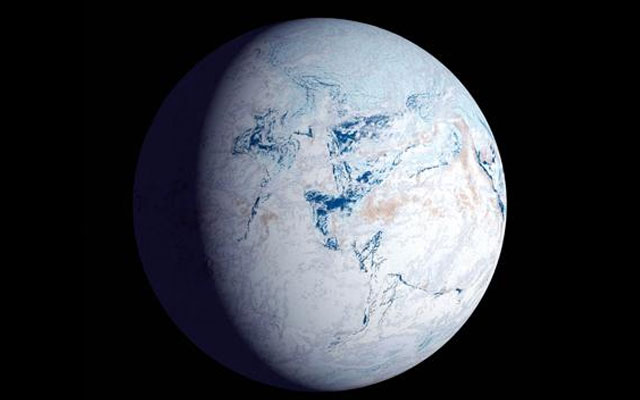
According to this theory, our planet turned into a snowball at least once, 716 million years ago, to be exact.
Garden of Eden
Some scholars are convinced that the Garden of Eden described in the Bible actually existed. It is believed that it was in Africa, and it was thanks to him that our distant ancestors were able to survive during the Ice Age.
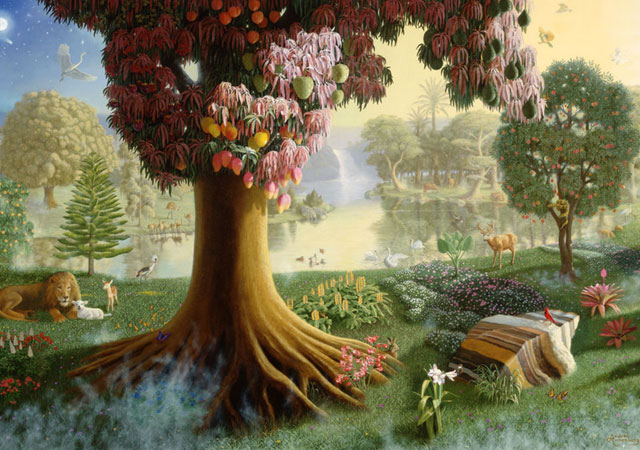
About 200,000 years ago, a severe ice age began, which put an end to many forms of life. Fortunately, a small group of people were able to survive the period of extreme cold weather. These people moved to what is now South Africa.
Despite the fact that almost the entire planet was covered with ice, this area remained ice-free. A large number of living creatures lived here. The soils of this area were rich in nutrients, so there was an abundance of plants. The caves created by nature were used by people and animals as shelters. It was a real paradise for living beings.
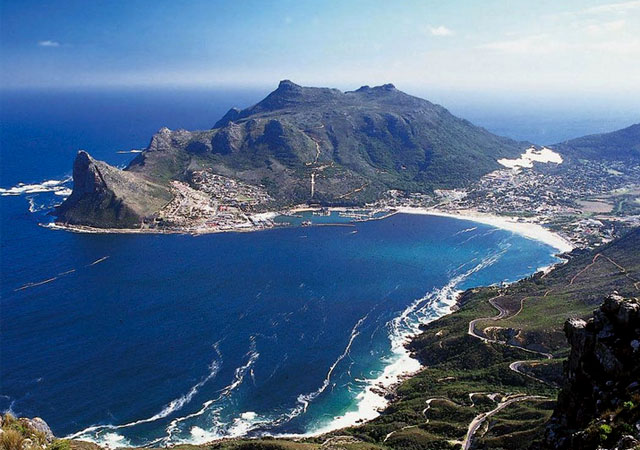
According to some scientists, no more than a hundred people lived in the Garden of Eden, which is why humans do not have the same genetic diversity as most other species. However, this theory has not found scientific evidence.