 Ecology
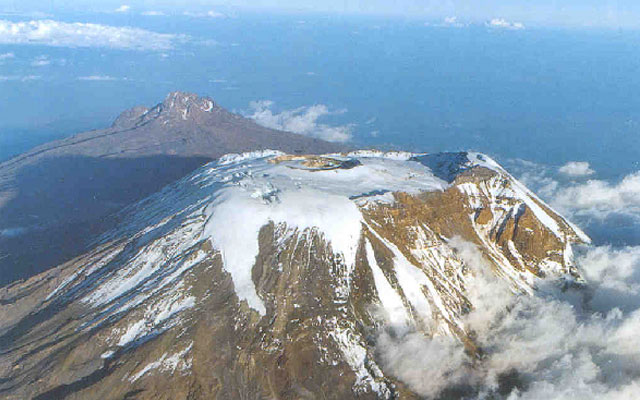
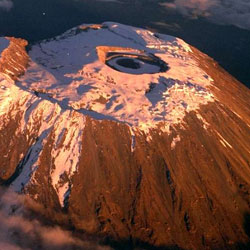
The summit of Mount Kilimanjaro, the highest free-standing mountain on the planet, may be left without ice by 2060, experts say. Between 1912 and 2011, the ice mass at 5,900 meters above sea level at the top of a sleeping stratovolcano in Tanzania fell by 85 percent, researchers from the Earth Observatory said NASA.
Kimberly Casey, a glaciologist at NASA's Goddard Space Flight Center who visited the volcano earlier this year, also noticed that the northern ice field Kilimanjaro seceded.
The hole in the glacier has appeared and has been growing since the 1970s, but this year the glacier split into two parts for the first time, researchers said. “We had the opportunity to walk on the ground or go mountain biking in the fissure area,” Dr. Casey said.
Africa's glacier is in distress
Scientists warn that now the question is not whether Kilimanjaro will lose its glacier, but when. Scientists estimate the time when the ice will disappear in different ways, but most of them are inclined to believe that this will happen by 2060.
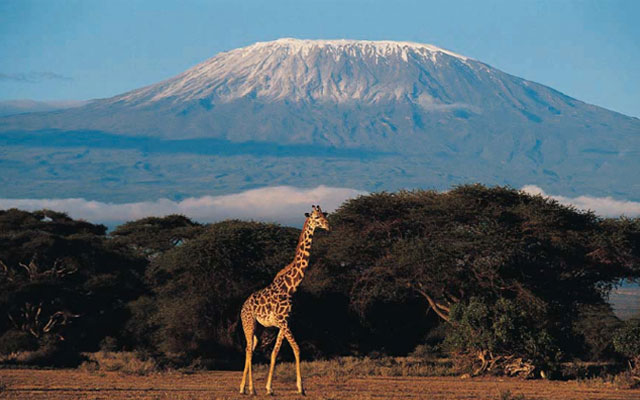
Despite the fact that Kilimanjaro is located in the tropics, the dry and cold air at the top of the mountain has supported large masses of ice over the past 10 thousand years, while the ice is completely its crater covered it. Studies of ice core samples show that the Kilimanjaro ice has gone through many warm seasons, droughts and periods of drastic climate change.
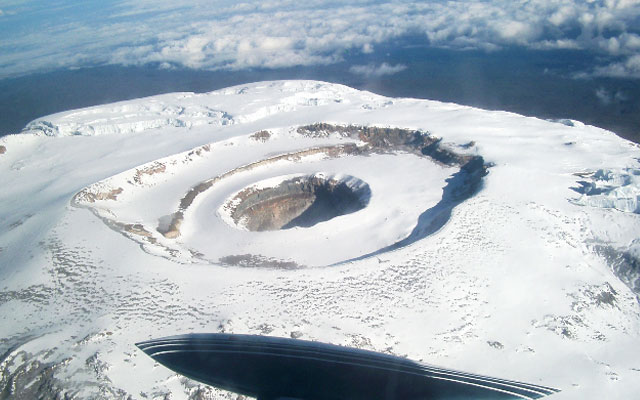
Due to the fact that global temperatures are currently rising, this contributes to Kilimanjaro losing ice, but many other factors also play a role. The dry weather conditions in this region, for example, leave the mountain without fresh snow, which is necessary for the formation of an ice layer. The drier air also reduces cloud cover, allowing solar energy to melt more ice.