
 Health
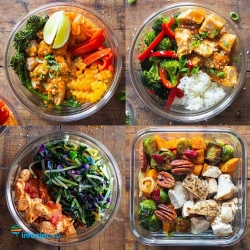
Proper nutrition is not a one-time act, but a way of life. Compliance with its principles will help you maintain your health and well-being. Eating junk food, on the contrary, will lead to the development of many diseases, reduced immunity and general malaise.
But is it possible to make healthy eating easy and affordable? You can, if you follow the simple recommendations, which will be discussed later.
See also: Budget PP. Finding solutions – Video
PP products
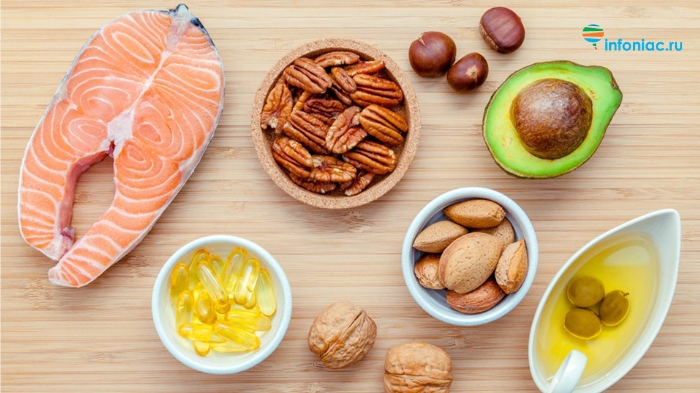
Macronutrients — proteins, fats and carbohydrates — form the basis of any diet. Their approximate caloric content is:
1 g carbs = 4 kcal
1 g fat = 9 kcal
1 g protein = 4 kcal
It is important that each element enters the body from the right foods and in the right quantities. Let us consider this question in more detail:
Proteins are the main building material. It forms cells, ensures the growth of tissues, including muscle tissue, participates in the synthesis of hormones and antibodies, and is the key to strong immunity. Proteins should make up about 25% of the daily diet. The maximum amount of protein is present in animal products: meat and fish, dairy and dairy products, eggs. Legumes are a source of vegetable protein.
Fats — take part in the production of many hormones: for example, glucocorticoids, testosterone, progesterone, estrogens. In addition, fats form the basis of cellular and nerve membranes, ensure the normal functioning of the brain and heart, and increase bone strength. The rational daily dose is up to 25% of the entire menu. At the same time, most of the fats should be of vegetable origin, that is, they should be ingested with vegetables, nuts, fruits, and vegetable oils. But we should also not forget about animal fats: fatty fish, cheeses, butter should be present in moderation in the diet.
Carbohydrates are the main source of energy for the human body. It accounts for 50% of the diet. At the same time, carbohydrates are divided into fast and slow carbohydrates, and the latter should be more present in the diet. Sources of healthy complex (or slow) carbohydrates are fruits, whole wheat bread, durum wheat pasta, and potatoes.
In addition to macronutrients, the diet should also contain microelements — vitamins and minerals that ensure all vital processes in our body. Together, these ingredients, in the right proportions, will help you maintain your health and well-being.
Read also: How to trick the brain and set it up to eat properly
Healthy food groups
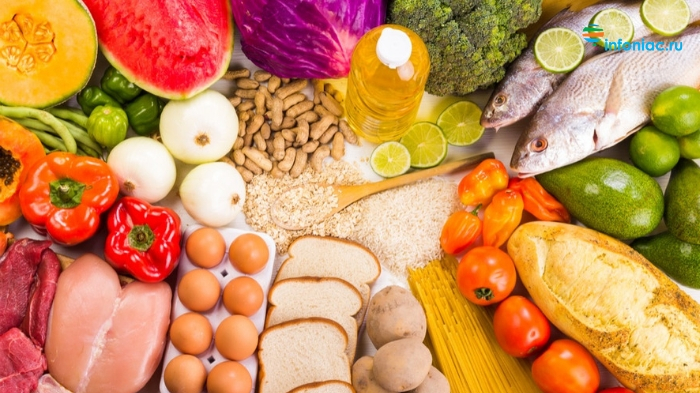
The main myth about healthy eating is that it's expensive. It's actually not that sad. You just have to replace unhealthy foods with balanced foods. As practice shows, such a replacement, if purchases are properly organized, also allows you to save significantly.
The first step towards proper nutrition is purchasing healthy foods. The following product groups must be present in the grocery basket:
Vegetables. This is the basis of the diet. They are rich in fiber, vitamins and minerals of all kinds. In addition, they are low-calorie.
Fruits. A source of the right fast carbohydrates, which are needed to provide the body with energy. At the same time, they contain many micronutrients.
Meat and fish. The main source of high-grade protein, which should be present in sufficient quantities in the daily menu. Preference should be given to low-fat meats and fish (especially if you want to lose weight). But once a week it is still recommended to eat fatty fish (herring, mackerel) to provide the body with Omega-3 and Omega-6 fats.
Nuts and seeds. They also contain polyunsaturated fats and a high concentration of minerals. In addition, they satisfy hunger quickly and for a long time, so they are great for snacks.
Dairy products. They saturate the body with calcium and a small amount of protein. Be sure to include milk, natural yoghurt and cottage cheese with a fat content of no more than 5% in a healthy menu.
Healthy starches. In moderation, you can eat potatoes, bread, and cereals, which contain many vitamins. It is better to bake potatoes, and never fry them.
Beans and legumes. They are rich in vegetable protein and complex carbohydrates, fiber, vitamins and minerals.
Drinks. The basis of the drinking regime should be ordinary purified water. Drinks can also be used to drink freshly squeezed juices, herbal teas, fruit drinks, and compotes.
All these products, especially if bought during the season, are affordable and will not entail large material costs, but at the same time they will provide your body with a complex of essential substances.
What products should be discarded on PP?
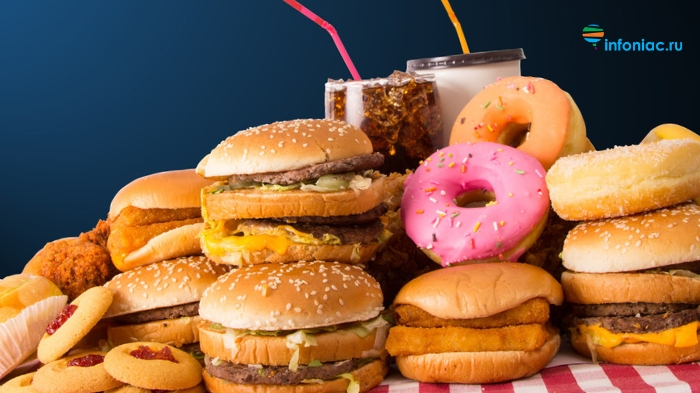
There is food that not only does not benefit the body, but also harms health. The category of prohibited products includes:
high-sugar dishes, including carbonated drinks;
mayonnaise and store-bought sauces;
margarine;
butter creams;
white bread;
fast food;
fast food;
sausages;
crab sticks;
sweets, confectionery products;
chips, crackers, salted nuts.
We recommend that you completely eliminate these foods from your diet to maintain your health.
Read also: How to teach your child to eat foods he doesn't like
PP rules that will help make it easy and affordable

Compliance with the principles of proper nutrition can be easy and affordable for everyone. If you're just starting to adjust your diet, follow these guidelines:
Calculate calories. Caloric intake directly depends on your daily energy consumption. Also, when calculating, it is necessary to take into account gender, since men need more calories than women. The average for women is 2,000 kcal per day, and for men it is 2500 kcal.
Eat a balanced diet. As a percentage, 25% of the daily menu consists of fats and proteins, the remaining 50% are the right carbohydrates.
Eat organic food. Ideally, about 80 to 90% of the total diet should be fresh or minimally processed foods.
Choose the right cooking methods. It will be possible to preserve the maximum of nutrients and all the benefits of the products when cooking products in water or steaming, as well as when baking and stewing. Frying is occasionally allowed, but always in a dry frying pan without adding oil.
Get rid of the wrong food completely. Review your refrigerator and kitchen cabinets, get rid of foods that are not good for your body, and replace them with a healthy alternative. Otherwise, you run the risk of succumbing to temptation sooner or later.
Drink at least 2 liters of water per day. It is essential for regulating vital processes in the body, absorbing nutrients and eliminating toxins.
Eat often. Optimally — 5 times a day. Of these, three full meals are breakfast, lunch and dinner, as well as light snacks in between.
Don't skip meals. A constant feeling of hunger leads to the fact that the body begins to store fats “for a rainy day”.
Eat at the same time. Compliance with this rule will help you normalize the functioning of the digestive tract over time and prevent gaining extra pounds.
You can eat after 18:00. The last meal should be light and no later than 2 to 3 hours before going to bed. If you fall asleep at 10-11 pm, at 20:00 you can safely drink a glass of kefir or eat a vegetable salad without harming your health and figure.
We eat carbohydrates for breakfast, protein for dinner.
We start the morning with a glass of water and lemon to start the metabolism.
Cook on your own, because visiting catering establishments not only tempts you to eat something tasty, but far from healthy, and is affordable.
Use spices. They will diversify the taste of dishes and minimize the use of salt.
We would also like to highlight several rules that will dispel the myth that proper nutrition is expensive and help you avoid unnecessary costs:
Go shopping with a pre-prepared list: for example, the likelihood that unnecessary products will fall into your basket will be significantly reduced.
Do not go to the store on an empty stomach to avoid impulsive purchases of products that you can do without.
Take a basket, not a cart, if you expect a small amount of purchases. This way you will avoid the subconscious desire to fill the empty space of the cart with unplanned products.
Carefully study the price and composition of the products. Remember that beautiful packaging adds value to the product, but does not always indicate its high quality.
Do not buy products marked “dietary” and “fat-free” — their beneficial properties are often questionable, and the price is significantly overestimated.
Remember that carbohydrate-rich cereals are an inexpensive food pillow.
Buy seasonal vegetables and fruits. Firstly, they are sold at an affordable price (especially if grown in your area). Secondly, strawberries in December and cucumbers in January have nothing to do with naturalness and health.
First of all, buying meat, vegetables, fruits and cereals is a psychological trick that reduces the likelihood of unnecessary products falling into an already pretty full basket.
Read also: 16 harmful products that should be replaced with healthy ones
Cheap PP products
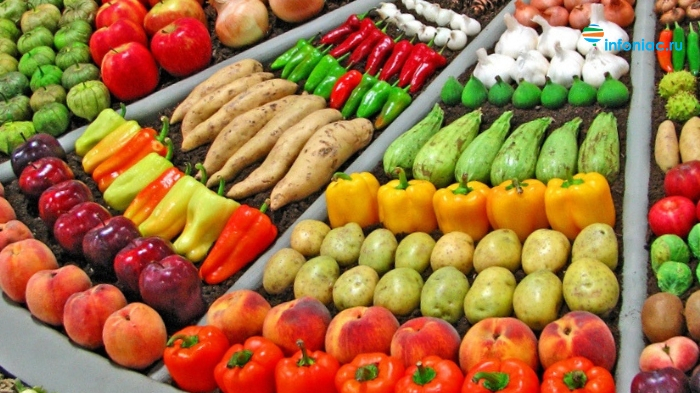
If you are planning to switch to a healthy diet, do not be afraid of large material costs. Buying quite affordable and at the same time useful products will help save your budget:
Chicken or turkey meat is an excellent alternative to sausages. Meat can be used to prepare a variety of stews, boiled or baked dishes. In addition, the cost of sausage today is not much different from the price of meat. But it is better to buy homemade chickens and turkeys. Although they are more expensive, you get an environmentally friendly product that does not contain growth hormones and antibiotics.
Eggs are always present in your refrigerator and are a source of high-grade protein.
Fish and seafood – hake and cod will be budget options. Once a month, you can treat yourself to dishes made from frozen squid or mussel carcasses. And one more simple tip: if possible, go fishing to eat fish, save your family budget, and take a break from the hustle and bustle of a big (or small town).
Sour cream is an excellent substitute for mayonnaise and store-bought sauces. Sour cream can be used to season salads and can be served with pancakes and berries or added to stews.
Soy meat is low in calories (102 kcal per 100 g), affordable and high nutritional value, contains vitamins B, D, E. But! Almost all soy exported to the Russian Federation is a genetically modified product. And although GMO advocates do not cease to convince everyone of the benefits and absolute safety of soy meat, this product has not been fully studied. Therefore, a very reasonable question arises: to eat or not to eat? Everyone will give the answer to it on their own.
Cereals — make sure that you have brown rice, buckwheat, barley and oatmeal in your arsenal, from which you can cook both sweet porridges and side dishes for breakfast or lunch.
Pumpkin — can be used to make side dishes and sweet PP desserts.
Seasonal fruits and vegetables are an integral part of a healthy diet. Apples, bananas, carrots, beets, cabbage are available almost all year round and are inexpensive.
Durum wheat pasta is affordable, while perfectly nourishing the body with complex carbohydrates.
Lentils and beans are a source of vegetable protein and vitamins.
Unrefined vegetable oil: among the budget options are sunflower, soybean, linseed.
Dairy products are a source of protein and calcium, a good option for a snack or dinner.
Dairy products — be sure to buy kefir, natural yoghurt and cottage cheese with a low fat content of up to 5%.
Frozen berries will be an affordable alternative to fresh berries in winter and spring. And if you live near a forest, you can harvest berries for future use for free.
Whole wheat bread — although it costs a little more than a white loaf, it will bring many times more benefits to the body and figure.
Nuts and dried fruits.
Honey is a great healthy alternative to sweets. This product can be used for making PP desserts and adding to cereals. Of course, you can argue that honey is not too cheap, but we are not bears to eat it in kegs either. Remember the daily intake of honey, which for adults is 2.5 – 3 tablespoons, and for children and adolescents – 2 tsp.
Flax seeds are easy to replace fashionable but expensive quinoa and chia seeds.
Mushrooms are a nutritious product containing vitamins and beneficial elements. Oyster mushrooms and mushrooms can be found at an affordable price in any supermarket. You can harvest butter and white mushrooms yourself if you live near a forest belt.
By the way, you can prepare fresh vegetables and berries yourself in the summer. They are perfectly kept in the freezer throughout the year.
And if you want to save a lot, go shopping not at the supermarket, but to the market (preferably a wholesale one), where you can buy fresh food at a great price. And don't forget to bargain!
Read also: How to cook delicious and healthy PP shawarma at home?
Weekly menu
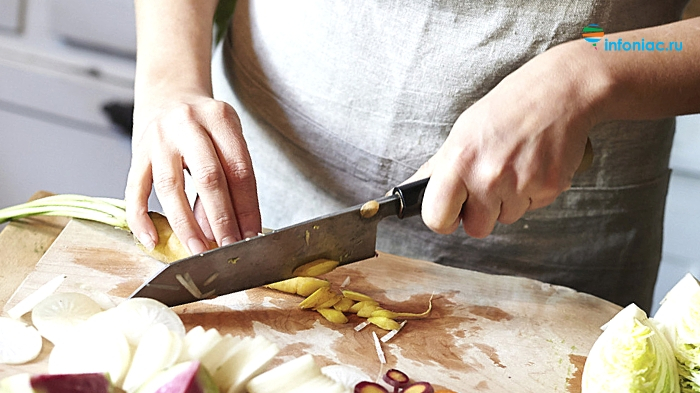
Healthy eating does not mean eating fresh and monotonous food. We offer weekly menu options that will help you switch to proper nutrition smoothly, without disruptions and unbearable costs.
The price of meals is based on 1 serving.
Monday
Breakfast:
oatmeal with water with dried fruits and honey,
whole grain toast,
tea.
Breakfast cost calculation:
30 g of oatmeal (dry product) ≈ 1 p.
Dried fruits (30 g raisins ≈ 6 rubles, 30 g dates ≈ 3.9 rubles)
Honey (1 tsp) ≈ 2.5 rubles
Whole wheat toast (1 slice) ≈ 1.75 rubles
Packaged tea — 1 sachet ≈ 4 rubles.
Bulk tea — 1 tsp (or 2 g) ≈ 1.45 rubles
Total: 17 — 20 rubles.
Snack:
One banana (200 g) ≈ 13 rubles.
Lunch:
chicken broth with onion and carrot,
rice with chicken, a
portion of salad,
a slice of whole wheat bread.
Calculating the cost of lunch:
chicken broth with onion and carrot (100 g chicken meat ≈ 21 rubles, medium onion ≈ 2.5 rubles, one carrot ≈ 2.9 rubles)
chicken rice (50 g rice grains ≈ 3.3 rubles, 100 g chicken fillet ≈ 21 rubles), by the way, in order to save money, you can use the chicken broth from which you prepared chicken broth a
portion of salad (1/2 bunch lettuce leaves ≈ 27 p., 100 g of white cabbage ≈ 5 p., cucumber ≈ 9 p., tomato ≈ 8 p., 50 ml of Greek yogurt or low-fat sour cream for dressing ≈ 17 p.)
whole wheat bread (1 slice) ≈ 1.75 rubles
Total: 119 rubles.
Snack:
cottage cheese with fruit (200 g low-fat cottage cheese ≈ 51 rubles, half an apple ≈ 5 rubles, half a banana ≈ 4 rubles)
Total: 60 rubles.
Dinner:
steamed fish, fresh vegetable
salad,
a glass of kefir.
Dinner cost calculation:
170 g of pollock ≈ 29 rubles.
fresh vegetable salad ≈ 66 p. (the cost of a serving of salad was calculated earlier)
250 ml of kefir ≈ 22 rubles.
Total: 117 ≈ 133 rubles
So, a full, proper and healthy diet on Monday will cost you an average of 330 rubles.
Tuesday
Breakfast:
cheesecakes with sour cream,
herbal tea or coffee.
Breakfast cost calculation:
200 g of cottage cheese ≈ 51 rubles.
1 egg ≈ 9 p.
70 g of flour ≈ 2 rubles.
1 tbsp of honey ≈ 9.5 rubles
1 tsp natural coffee ≈ 1.5 rubles
Total: 73 rubles.
Snack:
A handful of nuts (30 g) ≈ 15 rubles.
Lunch:
chicken noodle soup,
fresh vegetables,
whole wheat bread.
Calculating the cost of lunch:
chicken soup with pasta (100 chicken meat ≈ 21 rubles, medium onion ≈ 2.5 rubles, one carrot ≈ 3 rubles, potatoes ≈ 3.5 rubles, ½ bunch of greens ≈ 20 rubles, 30 g durum wheat vermicelli ≈ 7 p. )
fresh vegetables (carrots ≈ 3 rubles, cucumber ≈ 9 rubles, tomato ≈ 8 rubles)
whole wheat bread (1 slice) ≈ 1.75 rubles
Total: ≈ 79 rubles
Snack:
natural yoghurt (250 ml ≈ 50 rubles)
Dinner:
fish stewed with vegetables.
Dinner cost calculation:
150 g of cod ≈ 45 rubles.
vegetables for stewing (carrots ≈ 3 rubles, tomatoes ≈ 8 rubles, 100 g of white cabbage ≈ 5 rubles, seasonally these can be eggplants and zucchini)
Total: 61 rubles.
Adhering to the principles of PP, on Tuesday you will spend ≈ 280 rubles on products.
Wednesday
Breakfast:
buckwheat porridge with milk,
boiled egg,
whole wheat bread.
Breakfast cost calculation:
75 g of dry buckwheat ≈ 2 p.
150 ml of milk ≈ 11 rubles
1 egg ≈ 9 p.
whole wheat bread (1 slice) ≈ 1.75 rubles
Total: 24 rubles.
Snack:
apple ≈ 10 rubles.
Lunch:
vegetable soup,
steamed turkey cutlet with barley porridge,
tea.
Calculating the cost of lunch:
vegetable soup (150 g of frozen vegetable mix ≈ 25 rubles, potatoes ≈ 3.5 rubles, ½ bunch of greens ≈ 20 rubles)
steamed chicken cutlets (150 g chicken fillet ≈ 30 rubles, egg ≈ 9 rubles, small onion ≈ 1.5 rubles)
30 g of pearl barley ≈ 1 r.
herbal tea ≈ 1.5 p.
Total: ≈ 92 rubles
Snack:
cottage cheese casserole (100 g of cottage cheese ≈ 25 rubles, egg ≈ 9 rubles, 30 g of flour ≈ 1 r.), total 35 rubles.
Dinner:
scrambled eggs with tomatoes, white cabbage
salad.
Dinner cost calculation:
scrambled eggs with tomatoes (2 eggs ≈ 18 rubles, 50 ml of milk ≈ 4 rubles, tomato ≈ 8 rubles)
150 g white cabbage ≈ 8 p.
½ bunch of greens ≈ 17 rubles.
Total: 56 rubles.
The diet for Wednesday will cost you about 218 rubles.
Thursday
Breakfast:
cottage cheese casserole ≈ 35 rubles.
grapefruit (300 g of fruit ≈ 40 rubles)
Total: 75 rubles.
Snack:
a mix of dried fruits and nuts (30 g of raisins ≈ 6 p., 30 g of dates ≈ 3.9 p., 20 g of nuts ≈ 12 p.), the total is ≈ 22 p.
Lunch:
fish soup,
mashed potatoes with salad.
Calculating the cost of lunch:
fish soup (150 g carp ≈ 45 rubles, 1 carrot ≈ 3 rubles, potatoes ≈ 3.5 rubles, ½ bunch of greens ≈ 20 rubles, onion ≈ 2 p.)
mashed potatoes (3 potato fruits ≈ 10 rubles)
vegetable salad ≈ 66 p.
Total: 150 rubles.
Snack:
250 ml of kefir ≈ 22 rubles.
Dinner:
baked chicken breast,
vegetables,
250 ml of milk.
Dinner cost calculation:
150 g chicken breast ≈ 30 rubles.
seasonal vegetables (carrots ≈ 3 rubles, cucumber ≈ 9 rubles, tomato ≈ 8 rubles)
250 ml of milk ≈ 18 rubles
Total: 68 rubles.
On Thursday, your grocery store will empty your wallet for 337 rubles.
Friday
Breakfast:
scrambled eggs, a
sandwich with whole wheat bread and hard cheese,
natural coffee.
Breakfast cost calculation:
scrambled eggs (2 eggs ≈ 18 rubles, 50 ml of milk ≈ 4 rubles)
whole wheat bread (1 slice) ≈ 1.75 rubles
20 g of hard cheese ≈ 18 rubles.
1 tsp natural coffee ≈ 1.5 rubles
Total: 26 rubles.
Snack:
pear or apple (one pear costs about 24 rubles, while for an apple of the same weight you will pay 11 rubles)
Lunch:
chicken broth,
buckwheat with stewed liver,
fresh cucumber and tomato.
Calculating the cost of lunch:
we have already calculated the cost of chicken broth, it is about 27 rubles.
75 g of dry buckwheat ≈ 2 p.
100 g chicken liver ≈ 16 rubles.
onion ≈ 2 p.
cucumber ≈ 9 p.
tomato ≈ 8 p.
Total: 64 rubles.
Snack:
natural yoghurt (250 ml ≈ 50 rubles)
Dinner:
baked mushrooms,
boiled chicken breast, white cabbage
salad.
Dinner cost calculation:
100 g mushrooms ≈ 28 rubles.
150 g chicken breast ≈ 30 rubles.
150 g white cabbage ≈ 8 p.
½ bunch of greens ≈ 17 rubles.
Total: 83 rubles.
On Friday, your grocery basket budget will be 234 — 247 rubles.
Saturday
Breakfast:
rice with honey and banana,
tea.
Breakfast cost calculation:
50 g rice grains ≈ 3.3 rubles. ,
banana ≈ 13 rubles.
honey (1 tsp) ≈ 2.5 rubles
bulk tea – 1 tsp (or 2 g) ≈ 1.45 rubles
Total: ≈ 21 rubles
Snack:
orange (≈ 11 rubles) or grapefruit (≈ 40 rubles)
Lunch:
borsch,
lentils with chicken,
salad.
Calculating the cost of lunch:
borsch (potatoes ≈ 3 rubles, 100 g of white cabbage ≈ 6 rubles, beets ≈ 3 rubles, onion ≈ 2 rubles, carrots ≈ 3 rubles, tomato ≈ 8 p.)
150 g chicken fillet ≈ 30 rubles.
100 g of lentils ≈ 11 rubles
vegetable salad ≈ 66 p.
Total: 132 rubles.
Snack:
cottage cheese with dried fruits (200 g of cottage cheese ≈ 51 rubles, 30 g of raisins ≈ 6 rubles, 30 g of dates ≈ 3.9 rubles), total ≈ 61 rubles.
Dinner:
steamed mackerel (200 g ≈ 52 rubles)
boiled beet salad (250 g ≈ 7 rubles)
Total: 59 rubles.
A Saturday meal will cost you 284 — 313 rubles.
Sunday
Breakfast:
cheesecakes with sour cream ≈ 72 rubles.
herbal tea ≈ 1.5 p.
Total: ≈ 74 rubles
Snack:
a cocktail of natural yoghurt, fruits and berries (250 ml of yoghurt ≈ 50 rubles, half a banana ≈ 4 rubles, 50 g of seasonal or frozen berries ≈ 15 rubles)
Total: 69 rubles
Lunch:
mushroom soup, baked
chicken,
fresh vegetables (optional)
Calculating the cost of lunch:
mushroom soup (70 g mushrooms ≈ 20 rubles, onion ≈ 2 rubles, potatoes ≈ 3 rubles, carrots ≈ 3 rubles, ½ bunch of greens ≈ 17 rubles)
150 g chicken meat ≈ 30 rubles.
cucumber ≈ 9 p., tomato ≈ 8 p.
Total: 92 rubles
Snack:
grapefruit ≈ 40 rubles
Dinner:
scrambled eggs with cheese,
cabbage salad.
Dinner cost calculation:
scrambled eggs (2 eggs ≈ 18 rubles, 50 ml of milk ≈ 4 rubles, 30 g of cheese ≈ 27 rubles)
white cabbage salad ≈ 25 p.
Total: 74 rubles
On Sunday, you will “spend” 349 rubles.
As you can see, proper nutrition does not require much financial and time, and all dishes are prepared very simply. However, many may not agree with this, given the level of the average salary in the country. Nevertheless, we hope that our simple tips will help you review your diet and bring it as close as possible to the principles of proper nutrition.
And what tricks do you use to make your menu not only healthy, but also varied, inexpensive and tasty?
We are waiting for your advice in the comments!
Is it possible to make healthy eating easy and affordable?