
 Culture
The management of the Argentine zoo caused much controversy because it allowed visitors to enter cages with lions and tigers. “God created the cat so that humankind could care for the tiger.” The phrase, attributed to French veterinarian Fernand Mery, sums up the attraction and fear of big cats like jaguars, lions and tigers, and their influence on human imagination.
At Lujan Zoo, 70 kilometers from Buenos Aires, visitors can easily enter a cage with wild animals to pet them, give them milk or take pictures with them as if they were are ordinary little cats. You can also chat and feed elephants and bears nearby.
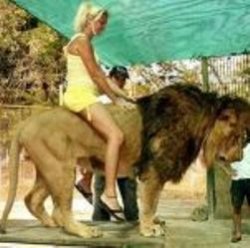
The zoo is an unprecedented success. Who wouldn't want to take a picture with a lion cub on their lap, give milk to an adult tiger, or approach a grizzly bear risk-free? Numerous videos posted on the Internet show enthusiastic feedback from visitors who were able to coexist peacefully with various wild animals at some point. In 2009, photos published by a number of media outlets around the world show a woman riding a lion.
This zoo has existed since 1994. His original collection included a monkey, two donkeys, two ponies, llamas, several deer, a pair of lions, and several peacocks. All animals were part of zoo owner Jorge Alberto Semino's personal collection. Over time, Semino acquired other animals and birds.
Today, the zoo covers 15 hectares and has both fenced cages and wooded areas where visitors can spend the day and even have a barbecue, naturally interacting with animals. The African lion group is the zoo's most important cats, with more than 80 animals living here. There are also 20 Bengal tigers and 12 jaguars. The area is home to about 50 different species of South American monkeys, as well as a pair of elephants.
The zoo's website says that when they buy animals, they prefer to call it saving rather than buying them. Workers often rescue animals by removing them from the terrible conditions they often live in circuses. However, Lujan is a very controversial place. Their policy allows visitors to touch animals, and the likelihood of wildlife being domesticated without sedatives is very low.
“I only have one word to describe Lujana Zoo — shame,” says Carlos Fernandez Balboa, who is responsible for environmental education at the Wildlife Foundation in Buenos Aires. Aires. According to Balboa, animals pose a danger to visitors and inexperienced trainers alike.
“A tiger can always have a 'bad day' that can have a very negative impact on visitors,” he says. “But the likelihood of such a bad day is minimized by injecting all wild animals with a special drug that turns them into walking stuffed animals.”
The director of the zoo categorically denies that animals are being injected with any drugs of this nature. Jorge claims that anyone can check how the zoo works, but he adds that in 18 years of operation, not a single failure has been reported. Moreover, zoo workers claim that animals under the influence of sedatives can actually be even more dangerous because they feel dizzy and discomfort. Jorge also emphasizes that “guardians” are in contact with animals from the moment they are born, so they can easily read their reactions and moods. “This prevents accidents because if anything happens, we will be fully responsible, just like any other type of business.”
At the same time, anyone can enter the cage by paying for the entrance ticket in advance and signing a document stating that if you are eaten, the zoo is not responsible for this. In one of the videos, Jorge appears in a cage with lions, where he plays with them and feeds them. At the same time, he says that big cats living in the zoo were born and raised in captivity, so while still young, they lost their predatory instincts.
“We've been taking care of them since they were born, we're part of their family and they're our kids,” he continues. Big cats grew up with dogs and were raised the same way: they walked with them, keeping them on a leash. Thus, animals have become meek, quiet and able to make peaceful contact with humans.
However, Lujan Zoo will be closed to Argentine environmentalists for commercial and political reasons. It would be very difficult for a small and remote zoo to compete with larger rivals if it were not for the “touching” animals. The zoo is accused of failing to comply with a law prohibiting human contact with wild animals.
However, zoo officials claim that their animals were born and raised in captivity, so they became domesticated and tame, and they cannot be considered wild and dangerous. “We are not an illegal zoo, we carry out regular inspections, and controls are very strict. We live in full agreement with the Ministry of Environmental Protection. The zoo was opened in 1994 and has never been closed since then,” explains Semino.
Big Business
But is it possible to compare Lujan Zoo to wildlife parks in Australia and Africa, where you can come into contact with wild animals that have grown up in their own habitat? “Lujan Zoo is a fictitious image of nature and animals. It's just big business that violates animal rights,” says Enrique Vidal, President of the Argentine Association of Environmental Lawyers. “I'm not against showing animals in captivity. But who goes into the lion cage? Where is the attitude towards the animal according to its predator origin?” – says Balboa.
“We don't have to justify what we're doing, we're allowing humans to interact with animals. This practice is very young. This topic began to be studied back in the 1950s, and it was found that some animal species can adjust their behavior depending on the conditions in which they will be raised. These animals were born in captivity and they cannot return to the wild because they lost their instincts long ago.”