
 Events
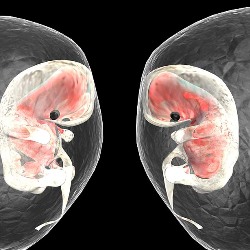
Scientists have created a human embryonic clone using DNA from human skin cells. In the future, such a clone could be a source of stem cells for developing personalized treatments using the person's own DNA.
According to researchers from the US and Thailand, a clone is unlikely to develop into a person. A team of scientists had previously carried out the entire process on monkeys. However, clone embryos died before they could grow into adult monkeys.
Experts emphasize that they are doing this in order to develop treatments for incurable diseases, but many fear that now nothing will stop scientists from cloning humans.
Shukhrat Mitalipov, together with a team of scientists from Oregon Health and Science University in the United States, created clones using the same method as when creating the cloned Dolly sheep in 1996.
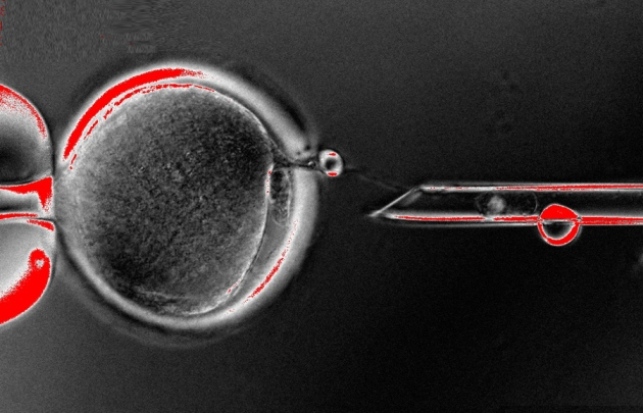
At first, eggs from healthy women were taken and their DNA was removed. Then skin cell nuclei were placed in empty eggs and embryos were grown. When the embryos were 5 to 6 days old, the scientists collected daughter cells and created a cell line. These stem cells can be turned into any cell in the body, allowing them to heal, renew and replace damaged parts of the body.
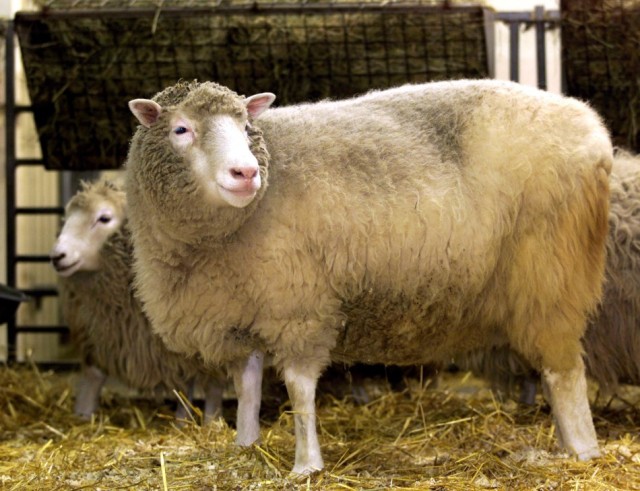
In 2004, researcher Hwang Useok from South Korea announced that he had cloned a human embryo for the first time and obtained stem cells from it. However, it later turned out that the data was falsified and he was accused of fraud.
Human cloning
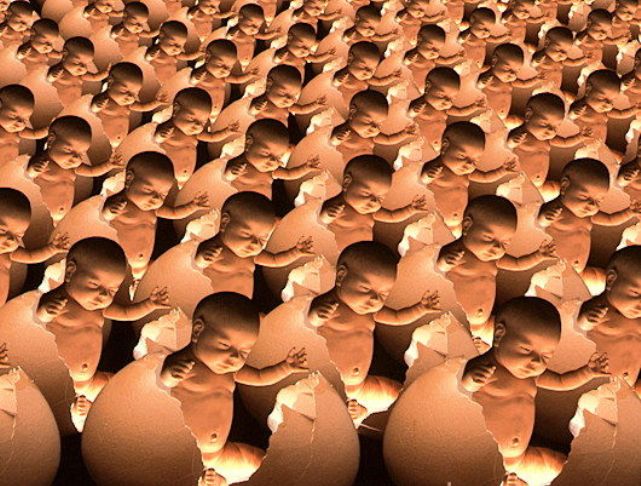
Can scientists completely clone a person? Certainly, researchers have made a big breakthrough by creating a cloned embryo.
But we're still a long way from a woman giving birth to the world's first human clone. The embryo will need to be implanted through artificial insemination.
However, research shows that problems begin long before a clone is born, and this may not be safe for humans. The chances of success of this type of procedure are very low. After all, as you know, Dolly the sheep appeared only after 277 failed attempts.
Cloning: pros and cons
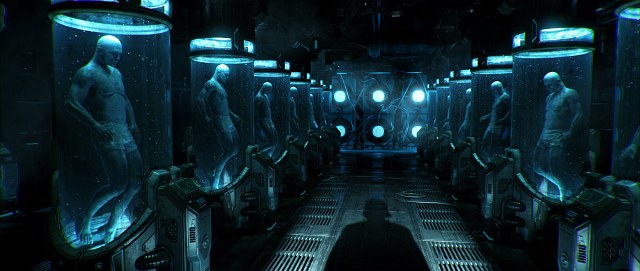
There are numerous possible pros and cons of human cloning. They include:
The advantages of cloning:
– The ability to renew the activity of damaged cells by growing new cells and replacement organs, such as the heart, liver and skin
– The ability to create people with an identical set of genes as organ donors, for example, for bone marrow transplants
– The possibility of having children from infertile couples with the genetic makeup of a mother or father
Disadvantages of cloning:
– Possible threat to individuality
– Loss of genetic variation
– The risk of a “black market” in fruits when people want to clone themselves
– Clones will be considered “second-rate” people
– Unknown psychosocial harm that will affect families and communities