
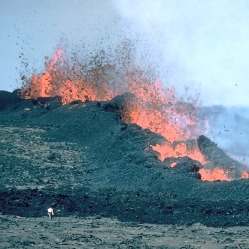
 Unbelievable facts
This list of volcanoes is based primarily on the volume of each volcano, not on altitude.
For this reason, the largest volcano in the world is the Tamu Massif, located at the bottom of the Pacific Ocean.
But this volcano is only about 4,460 meters high, much lower than Hawaii's Mauna Loa volcano, which is about 9,170 meters above sea level.
The world's largest volcanoes The Tamu
Massif is the largest underwater volcano
Volume: 2.5 million cubic kilometers
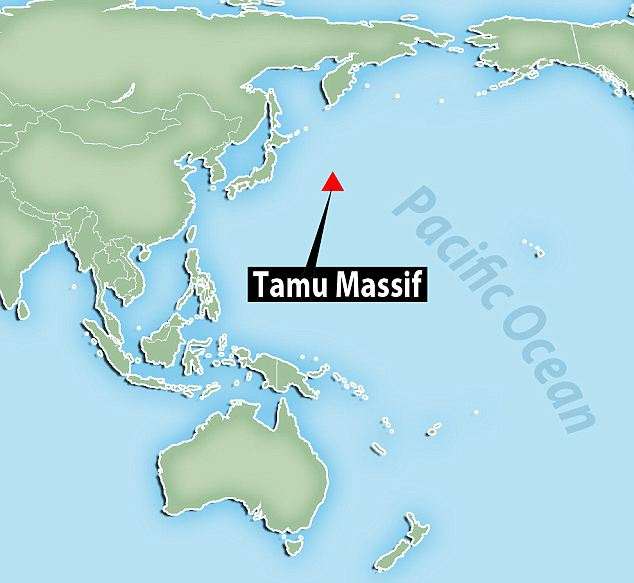
This volcano was discovered just recently in September 2013. Why didn't anyone find it before?
The huge volcano lies about 1,600 km east of Japan. It is part of an underwater hill known as the Shatsky Upland. It was only 20 years later that scientists realized that Tammu was a separate volcano.
It is an extinct volcano, and its last eruption was about 144 million years ago.
Read also: 12 new active volcanoes found in Alaska
It is also worth noting that it is not only the largest volcano on Earth, but also one of the largest in our solar system.
Mauna Loa
Volume: 75,000 cubic kilometers
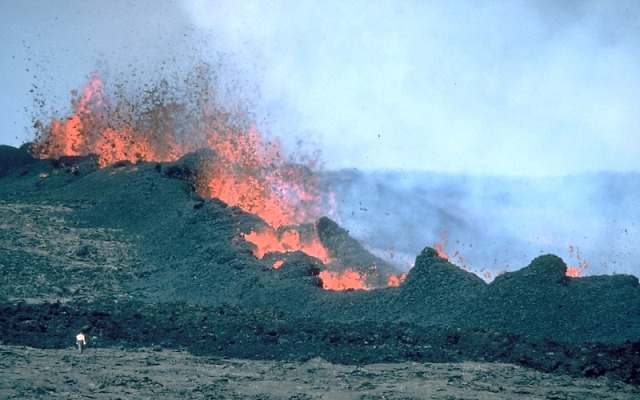
This active shield volcano can be seen on the island of Hawaii. It belongs to the group of megavolcanoes. It is worth noting that it is the second largest volcano on Earth.
This ocean volcano is one of five volcanoes in Hawaii, and the most recent eruption was recorded in 1984.
Over the past 177 years, Mauna Loa has erupted 33 times. According to geologists, Hawaii appeared on the Earth's map thanks to lava that began to come out from the bottom of the Pacific Ocean about 1 million years ago. Here you can learn more about Mauna Loa Volcano.
Kilimanjaro
Volume: 4,800 cubic kilometers
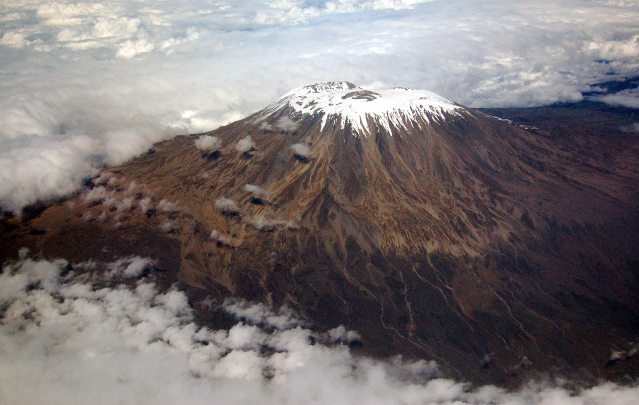
The majestic Kilimanjaro volcano is Africa's most famous volcano. The sleeping giant consists of three volcanoes that rise above Tanzania and Kenya.
Unlike many of the larger volcanoes on this list, Kilimanjaro is an active stratovolcano.
The last time it erupted 360,000 years ago, but relatively recently, scientists have come to the conclusion that under a small crater located 400 meters from the main peak of the volcano, Kibo, there is molten lava.
Sierra Negra
Volume: 580 cubic kilometers
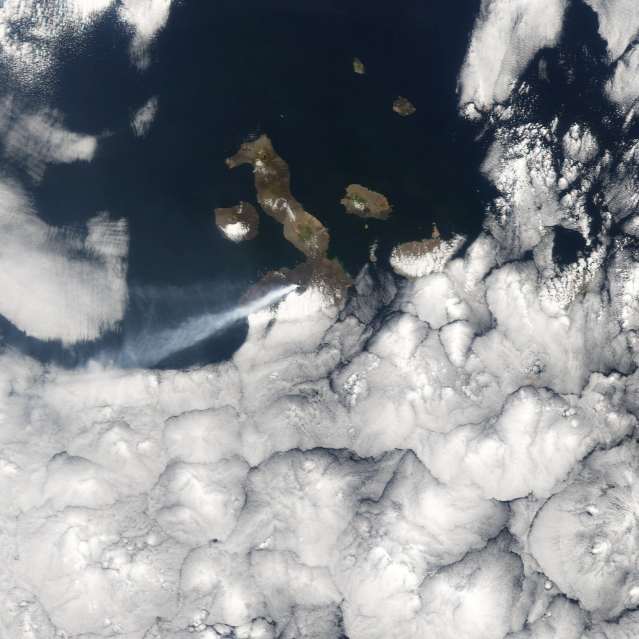
This thyroid volcano is located on Isabela Island (Galapagos). It is active and boasts the second largest crater on Earth, with a diameter of 11 kilometers.
Sierra Negra rises 1,124 meters above sea level, and its last eruption was recorded in October 2005, when a column of ash 7.5 km high was thrown out.
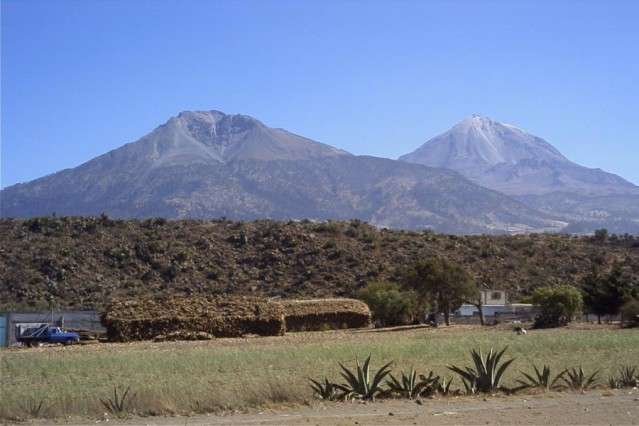
Read also: The secret of the most powerful volcanic eruptions has been revealed
It is worth noting that, like Mauna Loa, Sierra Negra is one of the volcanoes that participated in the creation of Isabela, the largest island in the Galapagos Islands.
Ichinskaya Sopka is an active volcano in Russia
Volume: 450 cubic kilometers
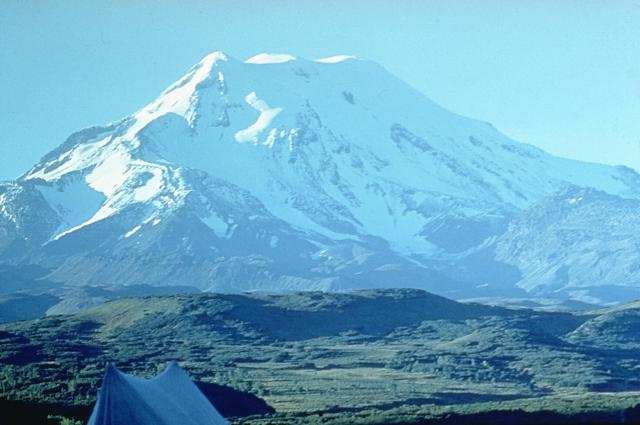
This stratovolcano is located in the central part of the Kamchatka Peninsula. As one of 29 active volcanoes on the peninsula, it is the largest.
Over the past 10,000 years, the volcano has thrown lava and ash fragments 15 km from the Ichinskaya Sopka cone.
Signs of mudflows, dangerous mudflows from melted ice, snow, and volcanic eruptions also fill the space beneath the beautiful but deadly volcano.