
 Unbelievable facts
Hiking to an active volcano is not for the faint of heart.
Uneven terrain, sudden changes in temperature, prolonged physical activity and the risk of a volcanic eruption, which will result in lava flows along the mountain.
However, if all safety measures are taken, the risk is usually small and the reward is worth it.
Seeing a huge lake of lava or lava flowing into the ocean is an amazing sight.
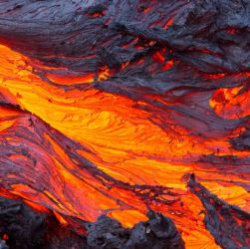
Lava flows, with their blazing red-orange fiery rivers, are a fascinating natural feature. You can see all this indescribable beauty with your own eyes in six places around the world.
Hawaii's Big Island
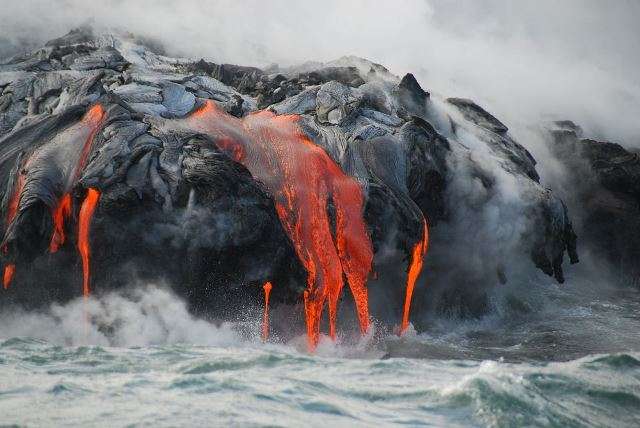
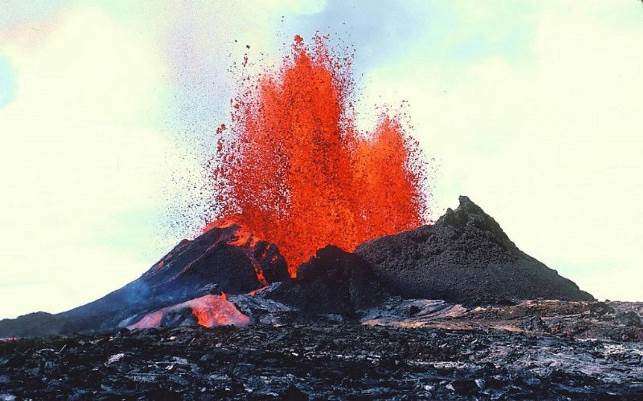
Hawaii has five active volcanoes, four of which are on the Big Island. Kilauea is not only the most active volcano on the island, but also one of the most active in the world, and has been erupting continuously since 1983.
In most cases, the eruptions are quite calm, and tourists can watch the lava flows up close. Hawaii Volcanoes National Park recently opened a coastal lava observation area at a distance of 275 meters from the cascade that flows into the Pacific Ocean.
Tourists are strongly advised to stay within the designated area to ensure safety, and the incident that occurred on January 2 last year highlights the risk of being ignored this warning.
Read also: 12 new active volcanoes found in Alaska
A group of tourists dived under the fence and wandered to the rocks. The Rangers immediately went to evacuate people from there. 15 minutes later, the lava delta where they were standing collapsed into the ocean, creating waves four stories high.
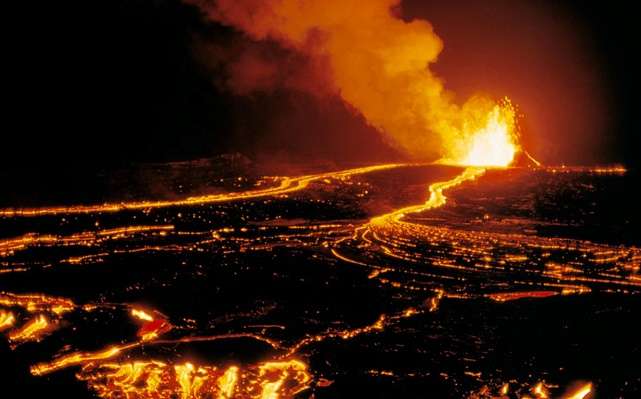
Tourists who follow the rules can do a variety of interesting things in the park. For example, you can join a walking tour of a lava park or take a boat tour to see how molten rivers fall into the ocean.
If you don't mind spending a few hundred dollars, you can consider a helicopter tour to see what's happening from an incredibly exciting perspective.
Active volcanoes of our time
Erta El, Ethiopia
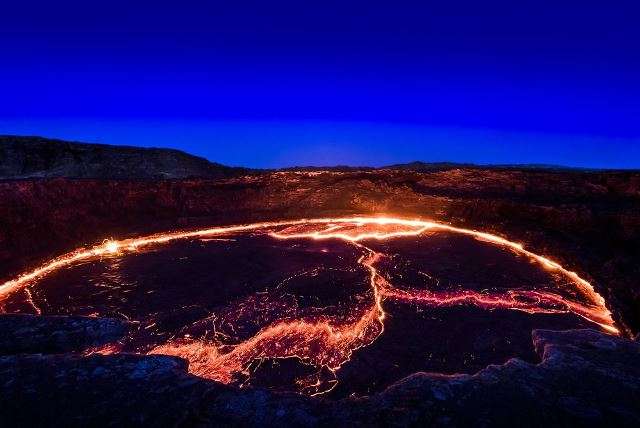
Ethiopia's most active volcano has been described as “hell on Earth,” and it's not just because of the unusual lava lake in its crater. According to the Wall Street Journal, a trip to the volcano begins with a five-hour journey through the desert. But sometimes, depending on the availability of the wind and its speed, the trip can take a whole day.
At the same time, the last stretch of the journey passes along a bumpy road of frozen lava.
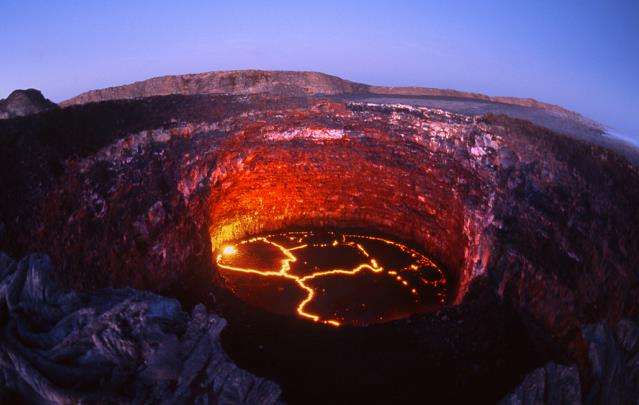
From Erta-El Base, a three-hour walk begins in the dark, because it takes place at night, because during the day the air temperature rises to 50 degrees Celsius, which makes the hike impossible. Once you reach the crater, you can see one of the few lava lakes in the world.
Brilliant and glowing lava, as well as its frozen charcoal gray parts, have been observed here since 1906.
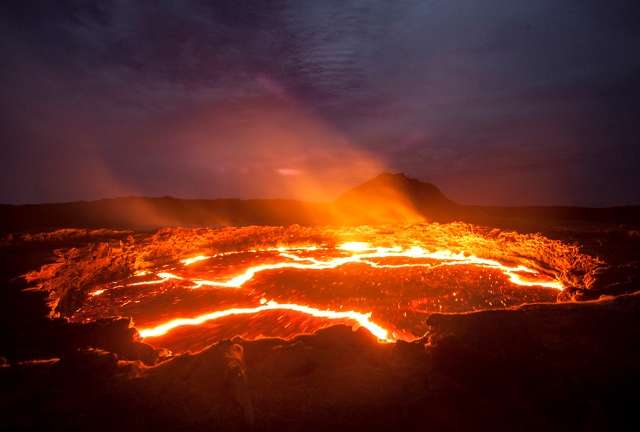
However, it is worth noting that the volcano crater is located in politically unstable northeastern Ethiopia, so tourists may face risks associated with various civilians unrest and unpredictable anti-government protests that began in November 2015.
Lava lakes
Mount Nyiragongo, Democratic Republic of the Congo
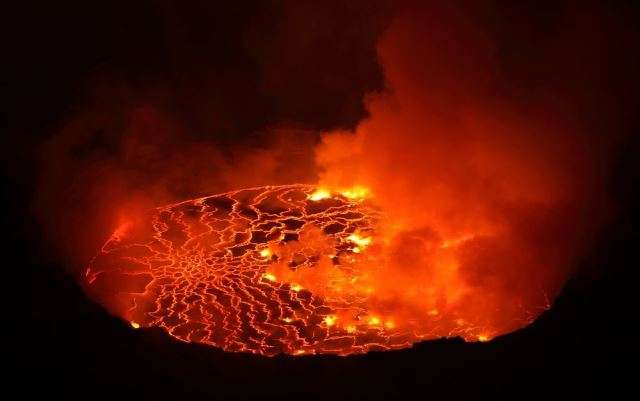
Like Erta-El, Mount Nyiragongo in the Democratic Republic of Congo is home to the world's largest lava lake, located in its crater. This stratovolcano lives in Virunga National Park near the border with Rwanda, another volatile region.
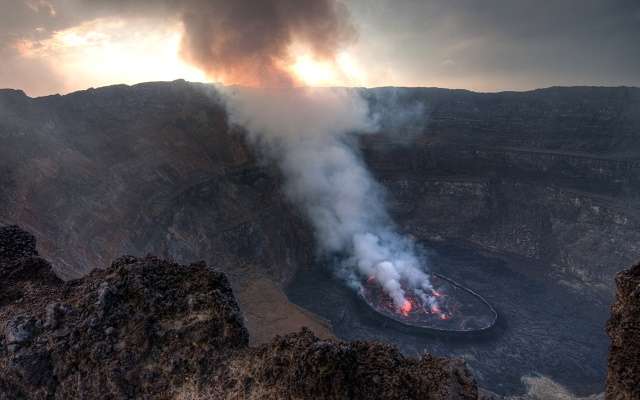
The penultimate eruption of the volcano was in 2002, sending lava to the Congolese city of Goma, where it killed 147 people. This volcano has a very liquid lava that flows almost like water.
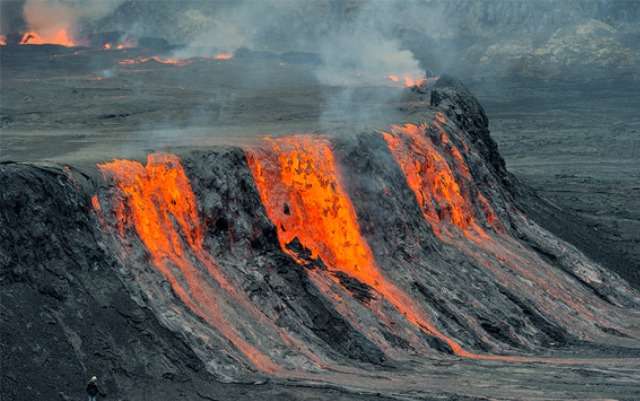
However, even experienced travelers say that watching the lava lake in the crater boil is one of the most amazing experiences of their lives.
Read also: The 5 biggest volcanoes in the world
Tourists can take part in a walking tour along the steep slopes, which lasts 4-7 hours, depending on your speed of travel.
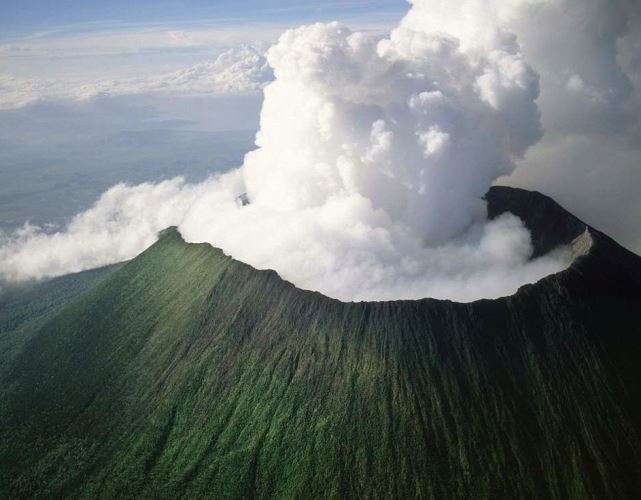
And don't forget that even though you're on a volcano in Africa, it's actually easy to freeze here. So take plenty of warm clothes with you.
The most active volcanoes in the world
Mount Etna, Italy
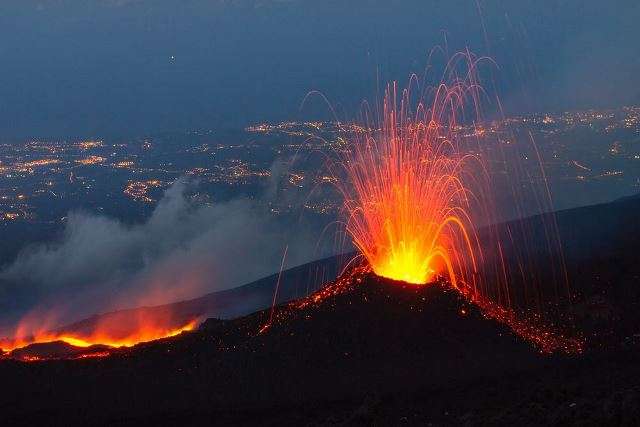
Mount Etna in Sicily is the highest and most active volcano in Europe and one of Italy's main tourist destinations. Moreover, it is very affordable. A tourist can explore the mountain by car, bus, bicycle, cable car, train, and, of course, on foot.
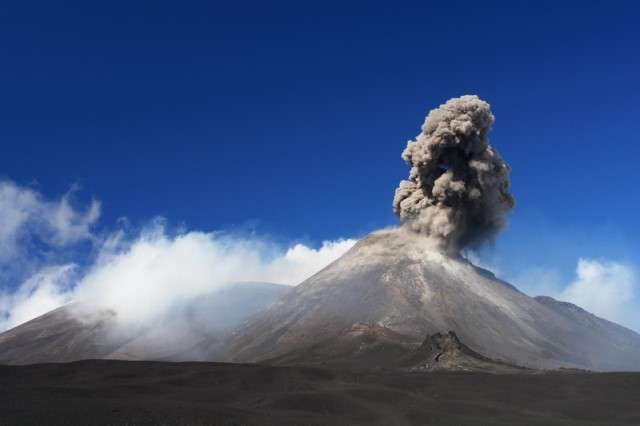
Depending on your mode of travel and how high you want to climb, you can go up and down in half a day, or take your time to explore the mountain a little longer.
It is known that Mount Etna is a group of embedded stratovolcanoes with four different peaks, and has the longest history of eruptions in the world, dating back to 425 BC.
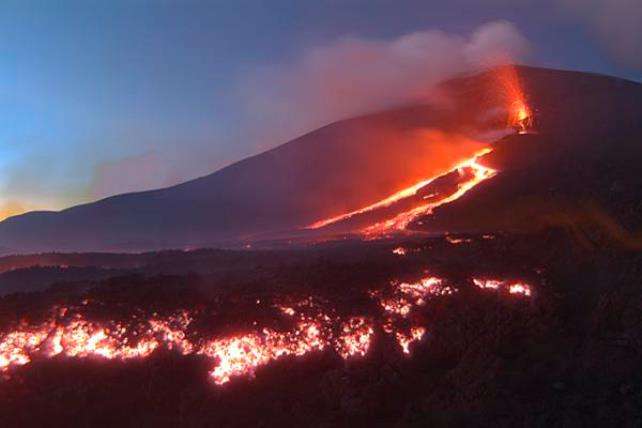
The history of this volcano is the centuries-old solidified lava flows that have reached cities and villages. Among other things, you can also see burning lava. There are many cracks and holes on the flanks of the volcano, which often create slow pyroclastic flows at low altitudes.
Read also: 25 interesting facts about volcanoes
However, despite the constant volcanic activity, it is very difficult to calculate when the volcano will want to “show its teeth”, and it is not safe, so most tourists enjoy more” a sober” version of streams.
Active volcanoes
Pacaya, Guatemala
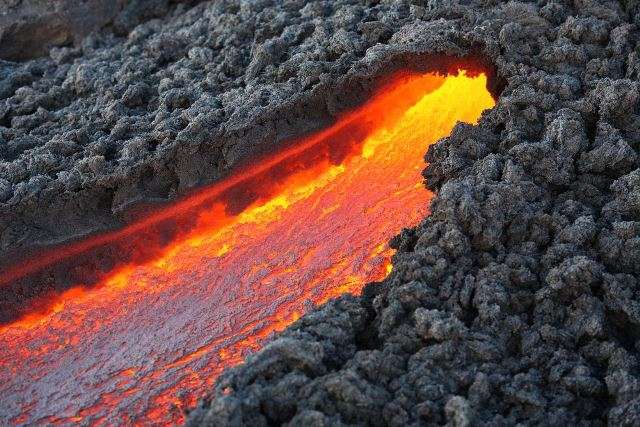
Pacaya is an active complex volcano in Guatemala that first erupted about 23,000 years ago and has been erupting continuously since 1965.
It is a popular tourist attraction located near Antigua and less than 30 km from Guatemala City.
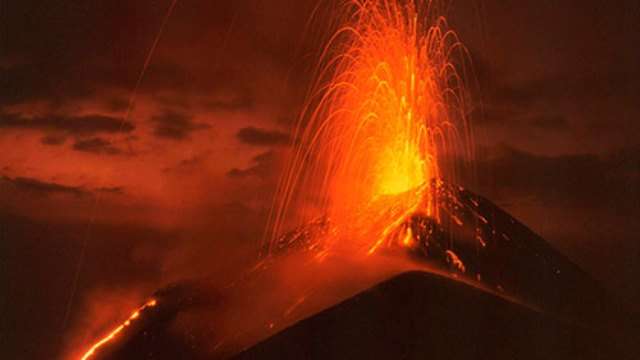
The volcano is part of the Central American volcanic arc, a chain of volcanoes that stretches along the Pacific coast of Central America.
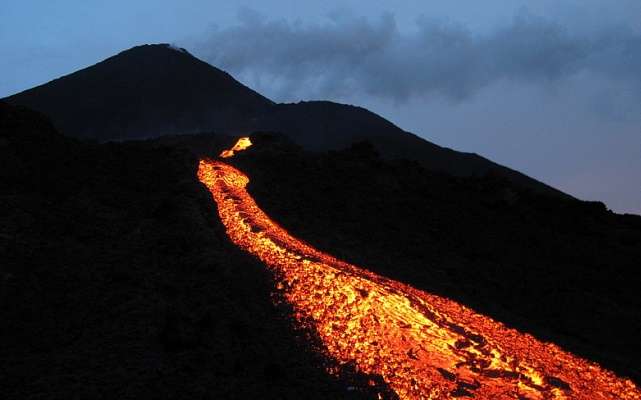
Renting a horse to climb the mountain or walking is a common activity in the region, which takes about an hour, and you can get so close to the lava that you can get right you can feel the temperature of the lava with your nose.
Tourists say with or without a guide, but you're guaranteed to see volcanic activity.
Villarrica, Chili
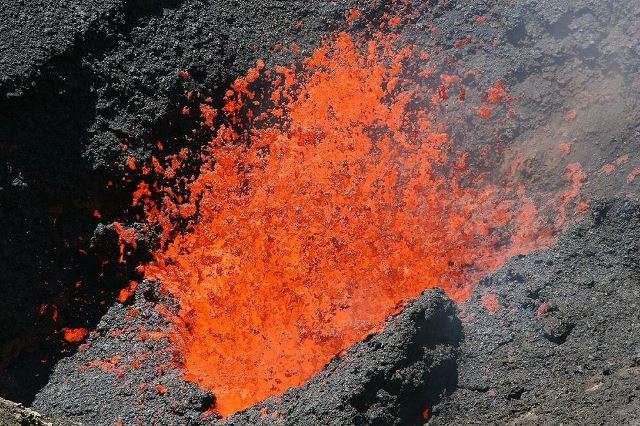
Villarrica is an active volcano near the city of Pucon, which rises above the lake and the commune of the same name.
Read also: Yellowstone supervolcano: 7 facts you need to know
It is a permanent volcano with a small lava lake in the crater, and it is one of three large stratovolcanoes that formed along the Mocca Villarrica fault zone located in Villarrica National Park.
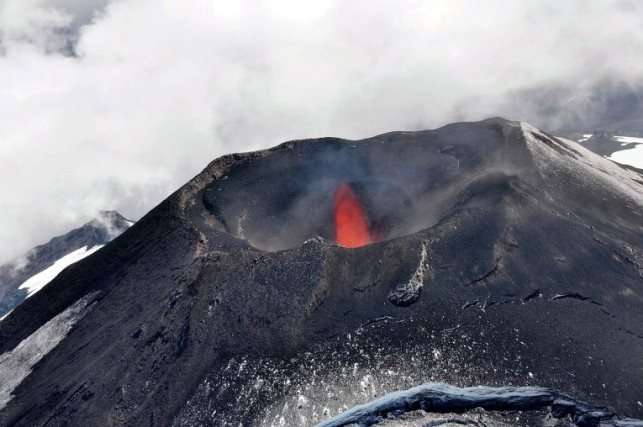
The most recent major eruption took place in March 2015. At that time, thousands of people were evacuated as Villarrica threw lava and ash several kilometers away.
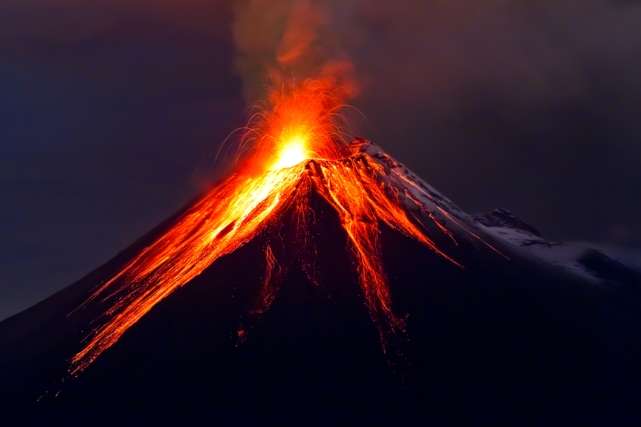
Tourists can join a guided hike into the crater. However, the tour may be canceled at any time due to volcanic activity.