
 Ecology
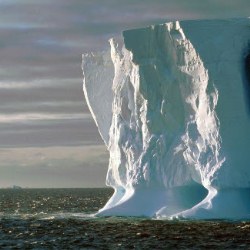
West Antarctica's huge ice sheet, which contains enough water to raise sea levels by several meters, has begun to thin out.
Researchers at the University of California and NASA also report that the melting of this huge glacier is an irreversible process.
While the whole process could take hundreds of years, melting could cause current sea levels to rise by 1.2 to 3.6 meters.
The study, which is based on observations of ground, air and satellite data for 40 years, shows that melting is happening faster than thought, triggering the domino process.
The melting of glaciers
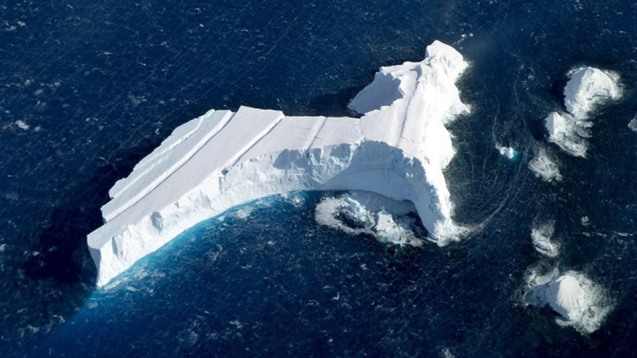
Scientists believe that global warming caused by human actions and the ozone hole, which led to changes in Antarctic winds and to warming water that “eats” ice, is to blame.
“The system is in a kind of chain reaction that can't be stopped,” said NASA specialist Eric Rignot. “Each process in this reaction feeds the next one.”
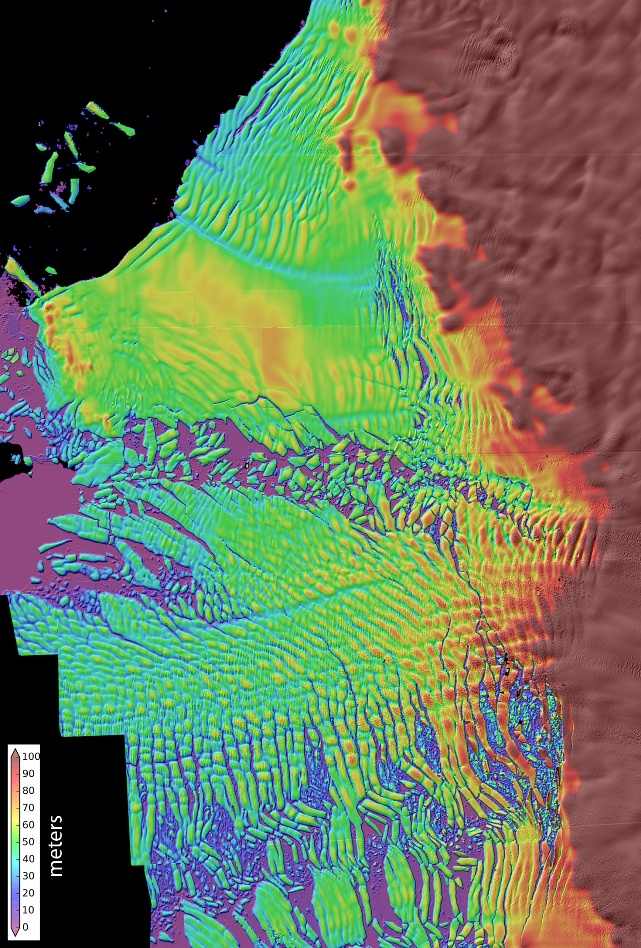
Read also: What does Antarctica look like without ice?
The only thing that could hold back the process in this area is a hill, which is not there. Rignoth compared this to wine pouring out of a bottle lying horizontally without a cork.
The sea level may increase by 1.2 meters due to the melting of the glacier. But this may also lead to the loss of the nearest ice sheet, which, in general, will lead to an increase of 3-4 meters. This does not include data on the melting of glaciers in the rest of West Antarctica and Greenland.
Antarctic ice
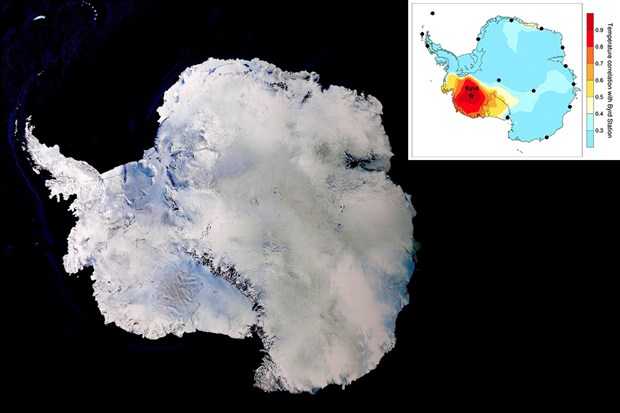
· The Antarctic ice sheet is the largest mass of ice on Earth.
· It covers an area of almost 14 million square kilometers and contains 30 million cubic kilometers of ice.
· About 90 percent of Earth's fresh water is contained in the Antarctic ice sheet, which is equivalent to 70 meters of sea level.
· In East Antarctica, the ice sheet is located on a continental massif, and in West Antarctica, the foundation can extend more than 2500 meters below sea level