
 Unbelievable facts
For years, scientists have been studying leaves and how they change color in autumn. The molecules responsible for the bright shades of yellow and orange are no longer a mystery, and why leaves turn red is still a mystery.
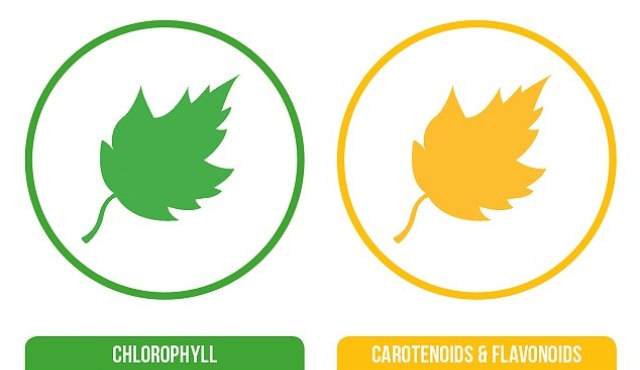
In response to changes in air temperature and less daylight, the leaves stop producing chlorophyll (which gives green color), which absorbs blue and partially red light, emitted by the Sun.
Because chlorophyll is sensitive to cold, some changes in the weather, such as early frosts, will “shut down” its production faster than usual.
Why do leaves turn yellow and fall
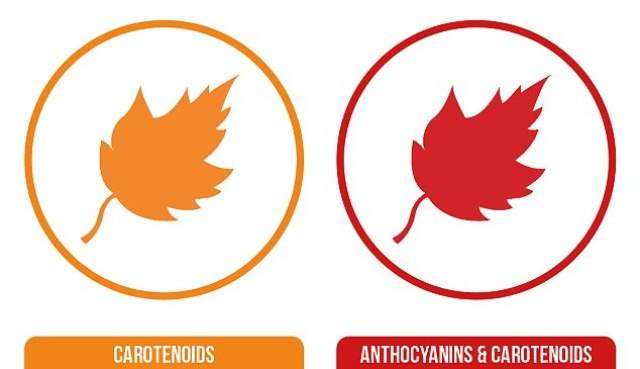
At this time, orange and yellow pigments called carotenoids (which can also be found in carrots) and xanthophylls shine through leaves that have no green color left.
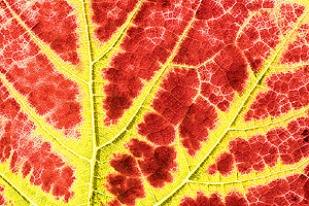
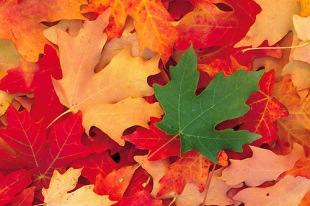
“The yellow color is present in leaves all summer, but you can't see it until the green is gone,” says Paul Schaberg, a plant physiologist at the U.S. Forest Service.
But scientists still have little information about the red color that some leaves appear in autumn.
Read also: The 10 most amazing trees in the world
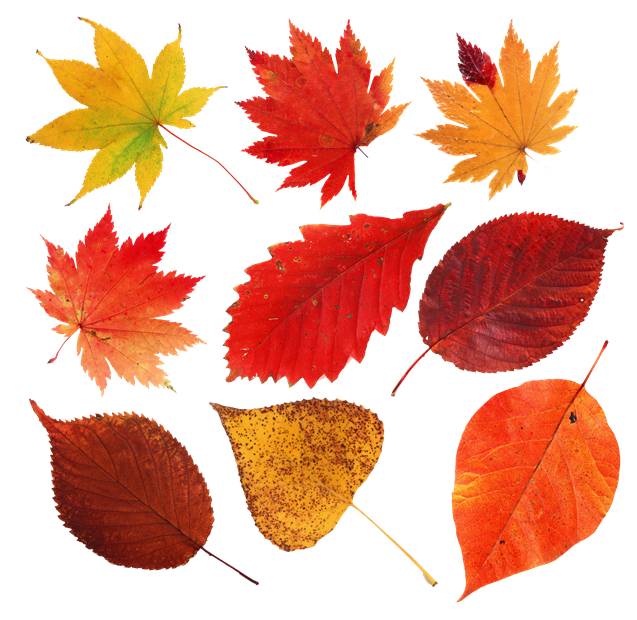
It is known that the red color comes from anthocyanids, which, unlike carotenoids, are produced only in autumn. Anthocyanids also add color to strawberries, red apples, and plums.
See also: DIY crafts made of natural material
Trees produce anthocyanides when they sense a change in the environment — frost, ultraviolet radiation, drought, and/or fungus.
But red leaves are also a sign of tree disease. If you notice that the leaves of the tree turned red earlier than usual (at the end of August), most likely the tree is suffering from a fungus, or it was damaged by humans somewhere.
Why does a tree spend its energy to develop new anthocyanids in a leaf when that leaf is about to fall off?
Paul Schaberg believes that if anthocyanids help leaves stay on the tree longer, they can help the tree absorb more nutrients before the leaves fall off. The tree can use the absorbed resources to blossom next season.
Anthocyanins
The topic of anthocyanins is slightly more difficult to study than other components of trees. Even though all trees contain chlorophyll, carotene, and xanthophylls, not all produce anthocyanins. Even trees that have anthocyanins only produce them under certain conditions.
Before a tree gets rid of its leaves, it tries to absorb as many nutrients from them [leaves] as possible, at which point anthocyanin comes into play.
Scientists have several answers to the question of why some trees produce this substance and the leaves change their color.
The most common theory is that anthocyanins protect leaves from excess sunlight, while allowing the tree to absorb the nutrients stored in the leaves.
On wood, these pigments act as sunscreen, blocking dangerous radiation and protecting leaves from excess light. They also protect cells from freezing quickly. Their benefits can be compared to those of antioxidants.
High amounts of sunlight, dry weather, freezing weather, low nutrient levels and other stress factors increase the sugar concentration in tree sap. This triggers a mechanism to produce large amounts of anthocyanins, in a last attempt to store energy to survive the winter.
Scientists believe that studying anthocyanids will help to understand the disease level of each tree. This, in turn, will provide a more understandable picture of environmental problems in the future.
As the character in the book and cartoon Lorax said: “The color of trees will one day tell us what the tree is feeling at the moment.”
Why do leaves dry and fall
With the arrival of winter, part of the globe gets less sunlight and the air gets colder. When these changes occur, trees prepare for winter.
Trees that discard their leaves clog up the leaf anchorages. This prevents liquids with nutrients from reaching the leaves, which causes the leaves to change their color and fall off.
Leaf fall symbolizes not only the change of season, this process also helps the tree survive the cold and dry winter air.
In winter, trees do not receive enough liquid to “contain” leaves. If they didn't clog the places where leaves start to grow, trees would simply die.
When spring brings warm air and water, trees begin to grow new leaves.
Why don't conifers shed their leaves?