
 Incredible facts
A new study shows that cats themselves often dislike cat lovers.
According to a study, cats love people who hate them, as the reluctance to pet and play with their fur gives cats the necessary sense of independence and control over the situation.
At the same time, people who consider themselves experts in cats, as they have been living with them for more than one year, often restrict the animal's freedom and touch areas that are unpleasant for the cat.
Unlike dogs, cats are quite irritable and look aloof and sometimes even rude.
However, new research has shown that the fault lies with the owner, not the animal itself. While dogs “bathe” us in love, cats are more difficult to satisfy and they will not be friendly to humans immediately.
Where you can't pet a cat
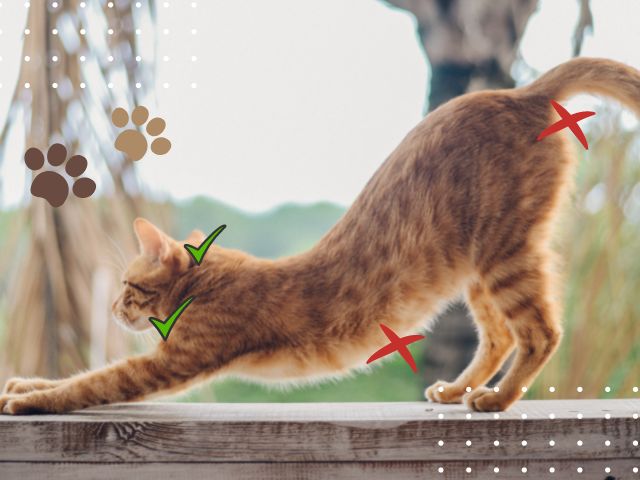
Cats have “red zones” that should not be touched, otherwise cats will immediately try to leave due to discomfort. These zones are the base of the tail and the abdomen.
However, cats also have “green areas”, such as the base of the ears and chin.
Self-proclaimed cat experts often touch the cat's red zones, which makes cats feel uncomfortable and aggressive.
Actions such as frequent stroking also take away the cat's freedom, making life difficult for them.
How the study was done
For the study, 120 people and cats with different levels of aggression were recruited. The person was left in the room, and three cats, one after the other, were allowed in for five minutes.
The person was asked to wait for the cat to approach him and then left alone to play with or cuddle the cat.
The researchers recorded the interaction and assessed how comfortable the cat felt, how the person behaved, and what behaviors cats liked the most.
After the study, people were asked how much experience they had with cats.
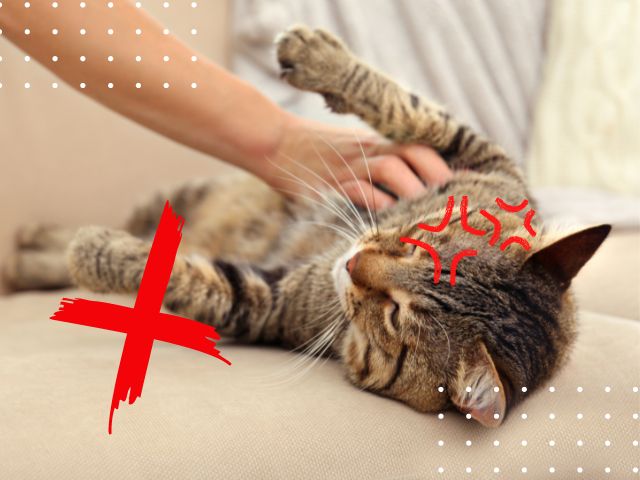
It turned out that most (80 percent) of interactions between humans and cats can be divided into 7 categories. Passive behavior was the best, without too much contact.
Other categories included people who petted a cat in “green zones”, those who sought to restrict the cat, and those who only touched in “red zones”.
Participants who lived with cats were prone to bossy behavior, and the most experienced owners also often petted cats in “yellow zones” such as the tail, legs and along the back, which are less preferable zones than, for example, the snout.
The team also found that older adults tried to grab and hold cats more often than younger people, and extroverts were more likely to initiate contact with cats, which pets generally don't like animals, because they love to choose when and how the interaction begins.